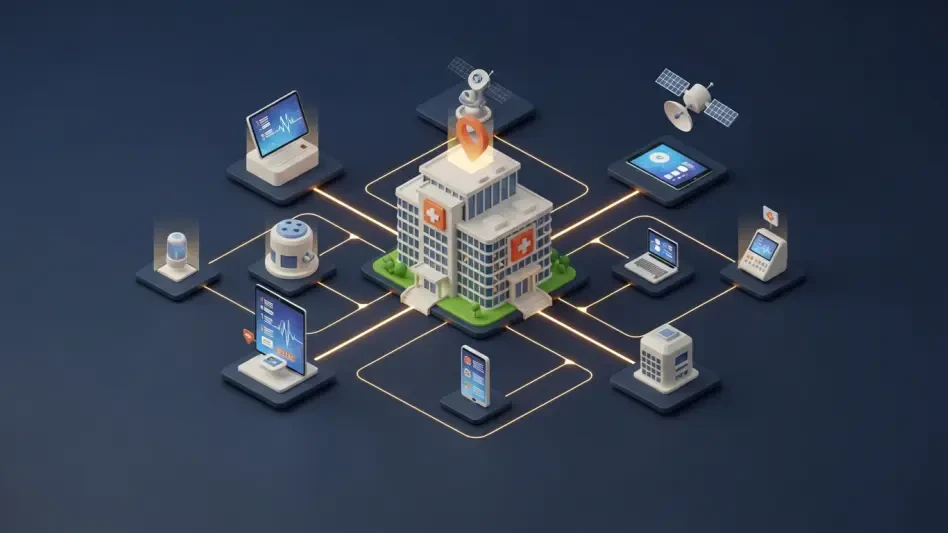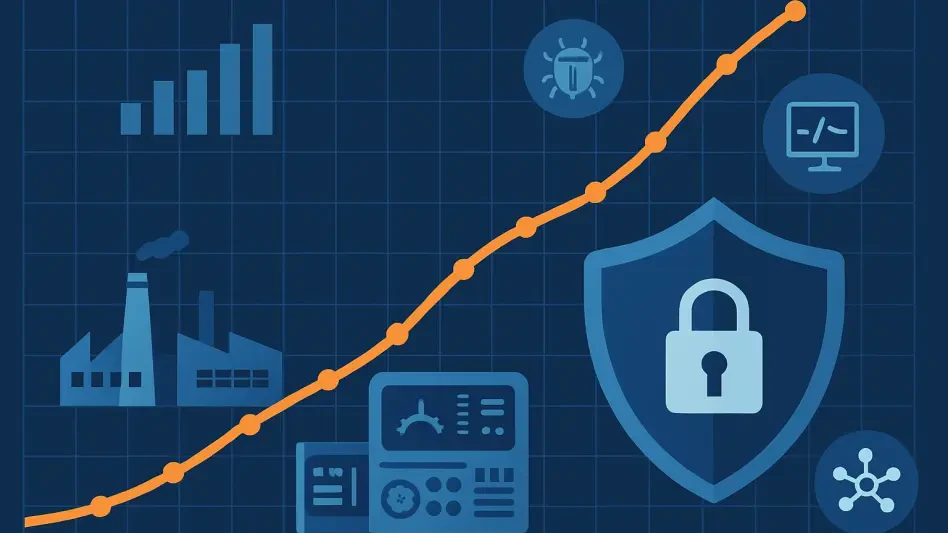
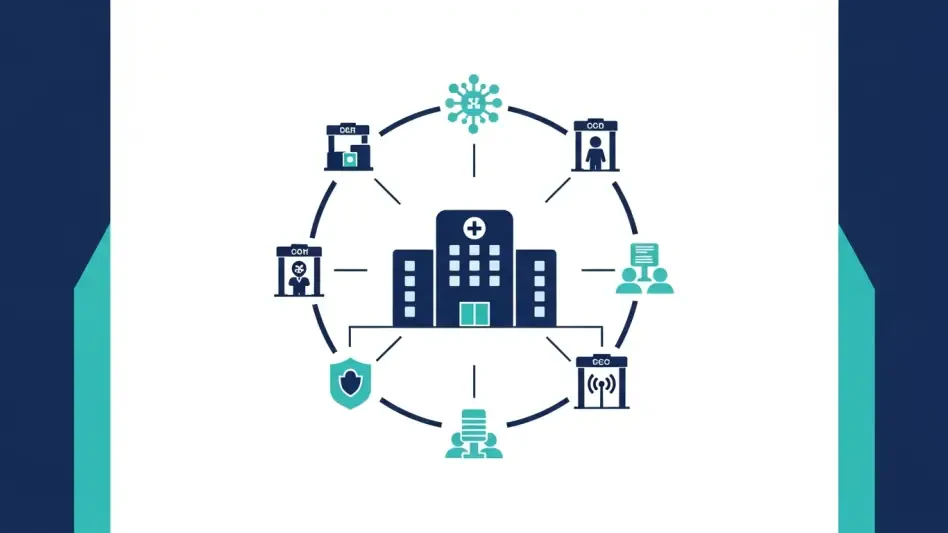
The healthcare industry is currently facing an unprecedented wave of sophisticated digital threats that jeopardize the integrity of patient records and the continuity of life-saving medical services. To combat these vulnerabilities, the Department of Health and Human Services recently introduced the Risk Identification and Site Criticality 2.0 toolkit, which serves as a comprehensive resource for assessing operational resilience. This initiative addresses the urgent requirement for standardized risk evaluation protocols across the diverse landscape of American medical facilities. By leveraging a centralized digital portal, organizations can now execute rigorous self-assessments that produce detailed reports on their readiness for a wide array of potential disruptions. These crises range from catastrophic natural disasters to highly targeted cyber espionage operations, ensuring that administrators can visualize their dependencies within regional infrastructures. The system provides a clear roadmap for identifying how interconnected systems might fail during a period of extreme stress.
Structural Alignment and Performance Metrics
A cornerstone of this updated framework is its rigorous alignment with the National Institute of Standards and Technology Cybersecurity Framework and specific Performance Goals. This technical mapping allows healthcare providers to pinpoint precise weaknesses that might undermine mission-critical performance or compromise the safety of individuals under their care. By integrating these established standards, the toolkit transforms abstract security concepts into actionable data points that high-level executives can use to justify infrastructure investments. Government officials, including leaders like John Knox, have stressed that such tools are indispensable for reinforcing the national critical infrastructure against increasingly creative threat actors. This structured approach moves beyond simple compliance checklists, encouraging a culture of continuous improvement and proactive defense. Facilities are encouraged to evaluate not just their internal networks, but also the external service providers and utilities that maintain their operational viability in a crisis.
Navigating the Modern Threat Environment
The deployment of this resource occurred during a period of significant volatility characterized by aggressive ransomware campaigns and heightening global geopolitical friction. Security analysts observed the activities of groups like the Qilin operation, which targeted essential utility cooperatives, proving that the boundary between energy and healthcare security is increasingly thin. Furthermore, retaliatory activities following international strikes prompted organizations like the Multi-State Information Sharing and Analysis Center to issue warnings regarding distributed denial-of-service attacks. In response to these challenges, healthcare entities recognized the necessity of adopting the standardized assessment methodologies found within the new federal toolkit. This proactive shift toward data-driven preparedness allowed administrators to better navigate a digital environment that remained hostile and unpredictable. Industry experts ultimately concluded that the synthesis of federal guidance and real-world intelligence formed a vital barrier against the degradation of national security.