
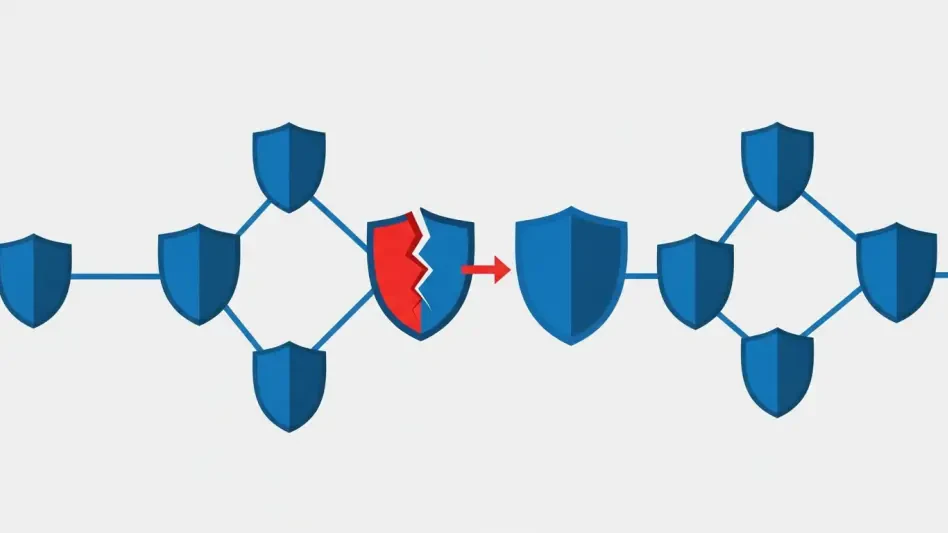
In the intricate digital landscape where the web browser serves as the primary gateway to information and services, the discovery of a security flaw that is already being used by attackers prompts an immediate and decisive response. Google has been thrust into this position, issuing an urgent security patch for its globally dominant Chrome browser to seal a high-severity zero-day vulnerability. This flaw, actively exploited in the wild, underscores the continuous cat-and-mouse game played between software developers and malicious actors, reminding users that the tools they rely on daily can also become conduits for sophisticated cyberattacks if not maintained with vigilance. The emergency nature of this update highlights the severity of the threat and the potential for widespread impact, necessitating swift action from both individual users and enterprise system administrators to secure their digital environments.
Understanding the Critical Flaw
The Technical Breakdown of Cve 2026 2441
The vulnerability, tracked as CVE-2026-2441, is a particularly insidious type of memory corruption error known as a “use-after-free” bug. This flaw resides within Chrome’s CSS handling component, specifically related to the CSSFontFeatureValuesMap, an interface responsible for managing OpenType font features when rendering text on a webpage. A use-after-free error occurs when a program attempts to access a portion of memory after it has been deallocated or freed. In this scenario, the program is essentially trying to use a pointer to a location that is no longer reserved for its original purpose. This creates a critical window of opportunity for an attacker. By crafting a malicious webpage, a threat actor can trick the browser into writing and executing arbitrary code in that now-uncontrolled memory space. This is akin to a program being given a key to a room, then returning the key, but later trying to use a copy to enter the room again, only to find it has been reoccupied by a malicious intruder who can now dictate what happens inside.
Assessing the Threat Level and Impact
The National Vulnerability Database (NVD) has assigned CVE-2026-2441 a high-severity CVSS score of 8.8 out of 10, a rating that reflects its ease of exploitation and significant potential impact. An attacker can trigger this vulnerability remotely over a network simply by luring a user to a specially crafted HTML page. This ease of execution, requiring minimal user interaction beyond a single click, makes it a potent tool for widespread attacks. While the initial code execution is contained within Chrome’s security sandbox—a restrictive environment designed to limit the damage a compromised process can inflict—it represents a crucial first step for an attacker. Gaining control over the browser process provides a foothold on the target system. From there, the attacker would typically deploy a second exploit, known as a sandbox escape, to break out of these digital confines and gain broader access to the user’s operating system, files, and sensitive data. The high score indicates that while the initial compromise is sandboxed, the potential for escalation is a severe and recognized threat.
Response and Ramifications
Google’s Swift Patching and Deployment
In response to the active exploitation of this zero-day flaw, Google has moved swiftly to release patched versions of its browser for the Stable channel. The updated versions are 145.0.7632.75/76 for Windows and macOS, and 144.0.7559.75 for Linux. The company has stressed the urgency of applying these updates, issuing strong recommendations for both individual users and enterprise administrators to prioritize their deployment. A critical aspect of this update process is the requirement for a full browser restart. The patch is not fully effective until Chrome is closed and reopened, a step that users may inadvertently delay. For corporate environments, this presents a significant challenge. IT administrators must not only push the update to all endpoints but also ensure that policies are in place to prompt or enforce browser restarts. Validating deployed versions across an entire network becomes a crucial task to confirm that the security gap has been effectively closed and that the organization is no longer vulnerable to this specific attack vector.
The Ripple Effect on Chromium Browsers
The vulnerability’s presence in the underlying Chromium codebase means its impact extends far beyond Google Chrome. A vast ecosystem of popular web browsers, including Microsoft Edge, Brave, and Opera, is built upon this same open-source foundation, making them susceptible to the same flaw. The response from other browser vendors has been varied. Brave, known for its focus on privacy and security, has already integrated the patched Chromium version into its browser, providing its users with timely protection. In contrast, Microsoft’s security advisory indicated that it was still “actively working on releasing a security fix” for its Edge browser. This lag in patching creates a dangerous window of exposure for users of other Chromium-based browsers, who may remain vulnerable until their respective developers can test and release their own updates. The situation highlights the interconnectedness of the modern browser market and the cascading effect that a single vulnerability in a shared codebase can have across multiple products and millions of users worldwide.
Concluding a Chapter in Browser Security
The rapid response to CVE-2026-2441 closed a critical security loophole that posed an immediate threat to users across the internet. Google’s swift development and deployment of a patch, followed by coordinated efforts from other browser vendors, demonstrated the industry’s capacity to react to active exploits. For users and administrators, this incident served as a potent reminder of the importance of diligent update management, particularly the often-overlooked step of restarting applications for patches to take effect. The event reinforced the value of security sandboxing as a crucial layer of defense, which successfully contained the initial breach and prevented it from immediately escalating into a full system compromise. Ultimately, this chapter underscored the persistent and evolving nature of cybersecurity threats and the necessity for continuous vigilance from developers and end-users alike to maintain a secure digital experience.