The central nervous system of modern data centers is often a single software platform, orchestrating every server and storage array with quiet efficiency, yet a single flaw in this core can trigger a catastrophic cascade of failures. A recently discovered vulnerability in Hewlett Packard Enterprise (HPE) OneView represents just such a threat, creating an urgent need for clear and concise information. Its severity has prompted widespread concern among security professionals and enterprise IT administrators who rely on this powerful tool.
This article serves as a crucial frequently asked questions guide to help organizations understand this critical security issue. The objective is to break down the complexity of the vulnerability, explain its profound implications for data center security, and provide actionable guidance. Readers can expect to gain a comprehensive understanding of the flaw, the scope of its impact, and the immediate steps required to protect their infrastructure from a potential takeover.
Key Questions or Key Topics Section
What Is the HPE OneView Vulnerability
HPE OneView is an infrastructure management solution that provides a single, integrated interface for orchestrating an enterprise’s servers, storage, and networking hardware. Its purpose is to simplify and automate lifecycle management across the data center, making it a foundational component of many IT environments. By centralizing control, it offers significant operational efficiencies but also becomes a high-value target for adversaries.
The vulnerability in question is a remote code execution (RCE) flaw that has been assigned a CVSS severity score of 10.0, the highest possible rating. This maximum-severity classification reflects the extreme ease of exploitation and the devastating potential impact. The flaw affects a wide range of HPE OneView versions, from 5.20 through 10.20, leaving a large number of systems exposed until they are patched.
Why Is This Flaw Considered So Dangerous
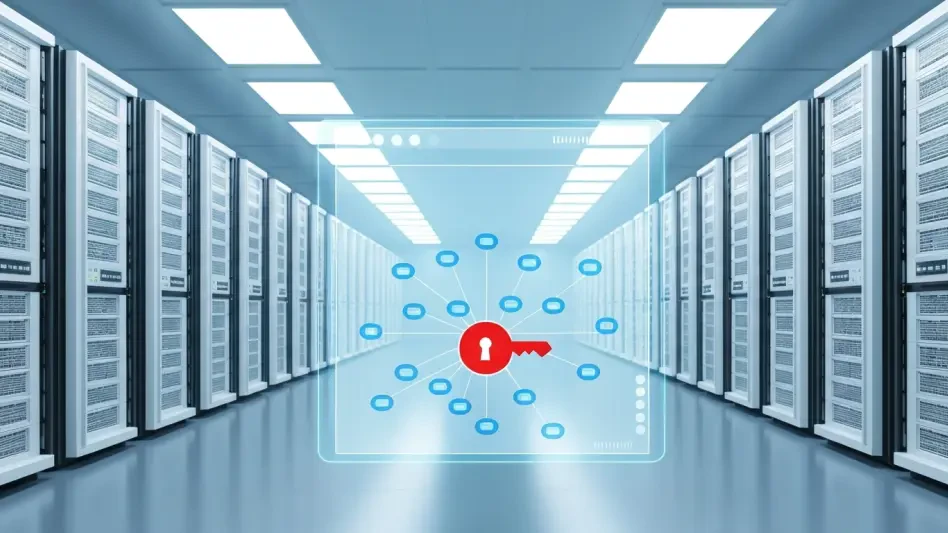
The danger of this vulnerability is best understood through the “keys to the kingdom” concept. Because HPE OneView has privileged administrative access to all the hardware it manages, an attacker who successfully compromises the OneView appliance effectively gains ownership of the entire data center infrastructure. This strategic position allows an intruder to bypass individual security measures on servers and storage arrays, mirroring the high-impact nature of breaches like the SolarWinds incident where the central management plane was the primary target.
Moreover, security experts have labeled this a “vulnerability trifecta” due to a rare combination of critical factors. The flaw requires no authentication, meaning anyone on the network can attempt an attack. It also has a low attack complexity, involving simple code injection that does not require specialized knowledge. Combined with its ability to grant remote code execution and the absence of any available workarounds, this profile makes it an exceptionally attractive and easy target for threat actors.
Who Is Affected and What Is the Immediate Risk
Any organization that utilizes HPE OneView versions 5.20 through 10.20 is directly affected and must assume its infrastructure is at risk. The vulnerability does not discriminate by industry or company size; if the software is in use, the environment is exposed. The immediate risk is nothing short of a complete compromise of the managed data center environment.
A successful exploit provides an attacker with a powerful foothold to conduct further malicious activities. This includes widespread lateral movement across the network, manipulation or destruction of data on storage arrays, and potentially compromising the root of trust at the hardware level. Although no active exploits have been officially confirmed, the consensus among security professionals is that exploitation is either imminent or already occurring undetected, as patches are often reverse-engineered by attackers shortly after release.
What Are the Recommended Actions
The only recommended course of action is to apply the security hotfix released by HPE immediately. Given the critical nature of the vulnerability and the lack of alternative workarounds, organizations should not wait for their next scheduled maintenance window. The risk of a data center takeover far outweighs the potential disruption of an emergency patch deployment.
A crucial detail that administrators must be aware of is the “hotfix trap.” If an appliance is upgraded from HPE OneView version 6.60.xx to 7.00.00, the security hotfix must be reapplied following the upgrade. Failing to perform this second application will undo the patch and re-open the vulnerability, creating a false sense of security. Diligence in following HPE’s specific guidance is essential to ensuring the flaw is properly and permanently remediated.
Summary or Recap
A maximum-severity remote code execution vulnerability exists in HPE OneView, posing a critical threat to enterprises. This flaw allows an unauthenticated attacker to gain complete control over the management appliance and, by extension, all the server, storage, and network infrastructure it orchestrates.
The exceptional danger stems from its “keys to the kingdom” nature and a combination of factors that make it easy to exploit. The only effective mitigation is the immediate application of the security hotfix provided by HPE. Special attention is required during version upgrades to avoid the “hotfix trap,” which can inadvertently reintroduce the vulnerability.
Conclusion or Final Thoughts
The discovery of this critical flaw in HPE OneView served as a stark reminder of the systemic risks inherent in centralized management platforms. It starkly illustrated how a single point of failure within an orchestration layer could swiftly undermine the security posture of an entire data center, rendering individual system defenses irrelevant.
Ultimately, this incident prompted a necessary re-evaluation of infrastructure security priorities across the industry. It underscored the absolute necessity for organizations to maintain robust and rapid patching capabilities for their most critical administrative tools and reinforced the need for continuous vigilance. The event highlighted that the foundational software underpinning modern IT remains a primary and highly attractive target for malicious actors.