
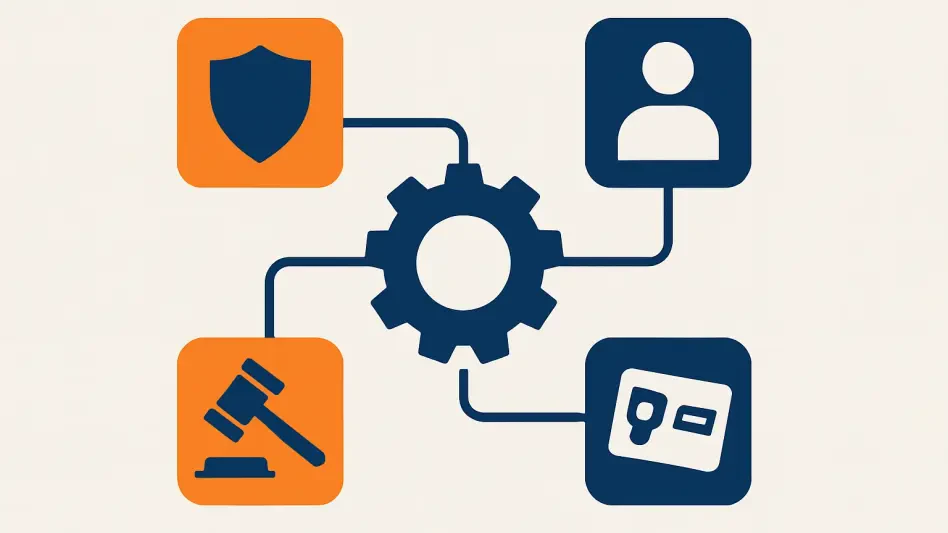
The greatest threats to an organization’s security often originate not from sophisticated external attackers, but from trusted individuals who already possess legitimate access to critical systems and sensitive data. In response to this persistent and frequently overlooked vulnerability, the Cybersecurity and Infrastructure Security Agency (CISA) has introduced a comprehensive new roadmap. Designed for critical infrastructure organizations and state, local, tribal, and territorial (SLTT) governments, this guidance establishes the ‘Plan, Organize, Execute, and Maintain’ (POEM) framework, a proactive and structured approach to building a robust insider threat mitigation program.
The Growing Imperative to Address Insider Risk
Insider threats represent one of the most complex and damaging challenges facing organizations today. These risks are not monolithic; they encompass both malicious insiders who intentionally exploit their access for personal gain or revenge and unintentional insiders whose actions—stemming from negligence, error, or social engineering—inadvertently create security vulnerabilities. Whether driven by malice or mistake, the consequences can be severe, leading to data breaches, operational disruptions, financial loss, and reputational harm. The unique nature of these threats, originating from within the organization’s trusted perimeter, makes them notoriously difficult to detect and prevent with traditional security measures alone.
Recognizing this critical gap, CISA’s POEM framework provides a clear and actionable blueprint for establishing a formal insider threat management program. This initiative moves organizations beyond reactive, ad-hoc responses toward a strategic, holistic defense. By encouraging leaders to plan the team’s mission, organize its multidisciplinary structure, execute effective mitigation protocols, and maintain its long-term viability, POEM offers a systematic way to turn an area of significant vulnerability into a source of organizational strength and resilience.
Why a Structured Insider Threat Program is Essential
A formal, structured approach to managing insider risk is no longer an optional security measure but an essential component of modern organizational resilience. An effective program requires a multidisciplinary team that can analyze threats from various angles, ensuring that technical indicators are considered alongside human and behavioral factors. This holistic perspective is critical for identifying subtle warning signs that might otherwise be missed by siloed departments like IT, HR, or physical security. The POEM framework provides the scaffolding to build such an integrated defense, transforming insider threat management from a purely technical problem into a comprehensive organizational strategy.
Implementing the POEM framework yields several key benefits that extend beyond preventing security incidents. It enhances overall organizational security by protecting critical assets, including proprietary data, intellectual property, and essential operational systems. Moreover, a well-communicated program fosters a culture of trust and shared responsibility, where employees feel empowered to report concerns without fear of reprisal, knowing that a fair and confidential process is in place. This proactive stance not only strengthens defenses against disruptions but also helps ensure compliance with regulatory requirements, thereby reducing significant legal and financial liabilities.
Deconstructing the POEM Framework a Four Phase Approach
The POEM framework is built on four interconnected pillars, each representing a crucial stage in the lifecycle of an effective insider threat program. This phased approach guides organizations through the process of building a program from the ground up and ensuring it remains effective over time. By breaking down the complex task of insider risk management into these distinct phases—Plan, Organize, Execute, and Maintain—CISA provides a logical and achievable roadmap for even the most resource-constrained organizations. Each phase builds upon the last, creating a comprehensive and sustainable defense against internal threats.
Phase 1 Plan Laying a Strategic Foundation
The planning phase is the strategic bedrock upon which a successful insider threat program is built. During this initial stage, an organization must clearly define the scope of its threat management team, identify its most critical assets—whether they are data, systems, or personnel—and establish its overall risk tolerance. This foundational work involves answering fundamental questions about the program’s purpose and priorities, ensuring that its efforts are aligned with the organization’s broader security goals and business objectives. A clear plan prevents scope creep and ensures resources are focused on protecting what matters most.
A critical component of planning is determining the team’s structure and its place within the broader organization. Leaders must decide on an operating model that integrates seamlessly with existing functions rather than creating an isolated silo. This process includes identifying which departments are best suited to support the team, often incorporating expertise from behavioral science, mental health, and other non-traditional security disciplines. The goal is to leverage existing systems and reporting channels to create a cohesive and efficient threat management function.
Real World Application Planning in a Utility Company
Consider a power utility where industrial control systems (ICS) are identified as the primary critical asset. During the planning phase, its leaders determine that any disruption to these systems could have catastrophic consequences. They decide the insider threat management team will report to a cross-departmental security council to ensure executive visibility and support. The team’s charter explicitly includes members from IT, operational technology (OT), human resources, and physical security, creating a structure that mirrors the interconnected nature of its most critical risks.
Phase 2 Organize Assembling a Multidisciplinary Team
The organization phase focuses on assembling the right people to execute the plan. A truly effective insider threat program cannot reside solely within the cybersecurity team; it requires a holistic, multidisciplinary approach. This involves integrating expertise from diverse departments, including human resources, which understands employee behavior and policy; legal counsel, which ensures compliance with privacy laws; cybersecurity, which monitors digital activity; and physical security, which controls facility access. Bringing these varied perspectives together allows the team to analyze threats from all angles and develop more comprehensive mitigation strategies.
Once the team is formed, establishing clear roles, responsibilities, and secure operational protocols is paramount. Because the team will handle highly sensitive information, including private employee data, discretion and confidentiality are essential. This requires creating secure procedures for data handling, storage, and sharing, ensuring information is accessible only on a strict need-to-know basis. Rigorous vetting of team members and providing specialized training on privacy laws and ethical considerations builds a trusted unit capable of conducting effective and legally compliant investigations.
Case Study Organizing a Team in the Financial Sector
A large bank organizes its insider threat team by carefully vetting members for their discretion and analytical skills. Each member receives specialized training on financial privacy laws, such as the Gramm-Leach-Bliley Act, and data confidentiality standards. This rigorous preparation establishes a trusted, expert unit capable of handling sensitive employee financial records and communications when assessing potential threats. This structured approach leads to more effective investigations that are both legally sound and respectful of employee privacy, reinforcing trust across the organization.
Phase 3 Execute Activating Threat Mitigation Protocols
The execution phase is where the program becomes operational. This stage involves activating the established protocols to detect, assess, and mitigate potential insider threats. A core component of execution is the creation of a central hub for collecting, correlating, and analyzing data from diverse sources. This includes technical data, such as network activity and access logs, as well as human-centric information from HR records, performance reviews, and even anonymous reporting channels. A centralized view enables the team to connect disparate dots and identify potential warning signs that might be missed in isolation.
With a centralized hub in place, the team can follow a clearly defined process for managing potential threats. This includes standardized procedures for triaging alerts, conducting preliminary inquiries, and managing full-scale investigations. The process must be designed to be fair, objective, and consistent, ensuring that all concerns are handled appropriately. Coordinating response activities across the organization—involving managers, HR, legal, and other stakeholders as needed—is crucial for a timely and effective mitigation of any identified risk.
In Practice Executing a Response in a Tech Firm
A software company’s insider threat team executes its program using a centralized security information and event management (SIEM) platform to correlate alerts. When the system flags anomalous data access by an engineer who recently received a poor performance review, the team initiates a pre-defined playbook. The protocol calls for a discreet investigation, which involves reviewing access logs and consulting with HR and the employee’s manager. This coordinated effort allows them to intervene and mitigate the risk of data exfiltration before any damage occurs.
Phase 4 Maintain Ensuring Long Term Program Viability
An insider threat program is not a one-time project; it is a living function that requires continuous maintenance to remain effective. The “maintain” phase is dedicated to ensuring the program’s long-term viability and relevance. This involves a commitment to continuous improvement through regular training for team members and awareness campaigns for the entire workforce. Conducting periodic exercises, such as tabletop simulations of various insider threat scenarios, helps test and refine response protocols, identify gaps, and keep the team’s skills sharp.
Adaptability is also a key element of this phase. The threat landscape, organizational priorities, and business operations are constantly evolving, and the insider threat program must adapt accordingly. Program leaders should regularly re-evaluate its performance, policies, and procedures to ensure they align with new business lines, changes in workplace culture, and emerging risks. Actively soliciting feedback from employees and leveraging external resources and threat intelligence can further enhance the program’s resilience and sustainability.
Scenario Maintaining Readiness in a Government Agency
A state-level government agency maintains its program’s effectiveness by conducting quarterly tabletop exercises that simulate novel insider threat scenarios, such as the exploitation of new collaboration tools or risks from returning remote workers. Feedback gathered from these exercises, along with suggestions from an employee feedback portal, is used to update response playbooks and training materials. This iterative process ensures the program remains relevant and prepared to address current, not just historical, risks.
Adopting POEM Key Takeaways for Organizational Leaders
The POEM framework represented a valuable roadmap for any organization seeking to build or mature its defenses against insider threats. Its four-phase structure provided a comprehensive yet manageable approach to tackling a complex security challenge. By breaking down the process into distinct, logical steps, the framework empowered leaders in critical infrastructure and beyond to develop a program tailored to their specific risks and resources. The guidance underscored that a successful program was not just about technology but about integrating people, processes, and policies into a cohesive strategy.
For leaders considering adoption, several key factors were critical for success. Securing genuine, visible buy-in from executive leadership was the first and most important step, as this ensured the program received the necessary resources and authority to operate effectively. Allocating an adequate budget and staffing the team with individuals from across the organization were equally vital. Finally, emphasizing the continuous involvement of legal counsel throughout the planning, organization, and execution phases helped ensure the program operated ethically and in full compliance with all applicable laws and regulations, protecting both the organization and its employees.