
A single browser extension, often installed for something as mundane as blocking ads, could be the silent key that unlocks your most private data through Google’s own AI interface. While the Gemini panel was designed to be a helpful assistant, the discovery of CVE-2026-0628 proved that even the most trusted parts of the Chrome interface are not immune to sophisticated exploitation. The line between a helpful productivity tool and a malicious entry point has blurred, turning the browser’s integrated AI into a potential liability for millions of users.
Why the Gemini Vulnerability Redefines Browser Security
The integration of Gemini directly into the Chrome core represents a fundamental shift in how browsers operate, moving from simple web renderers to AI-driven environments. This transition matters because the Gemini panel is not just another website; it is a privileged component with deep system access, designed to see what you see and hear what you hear. When vulnerabilities like CVE-2026-0628 emerge, they highlight a critical trend where new AI features inadvertently create massive attack surfaces that bypass traditional security boundaries.
Breaking Down the Mechanics of the Gemini Exploit
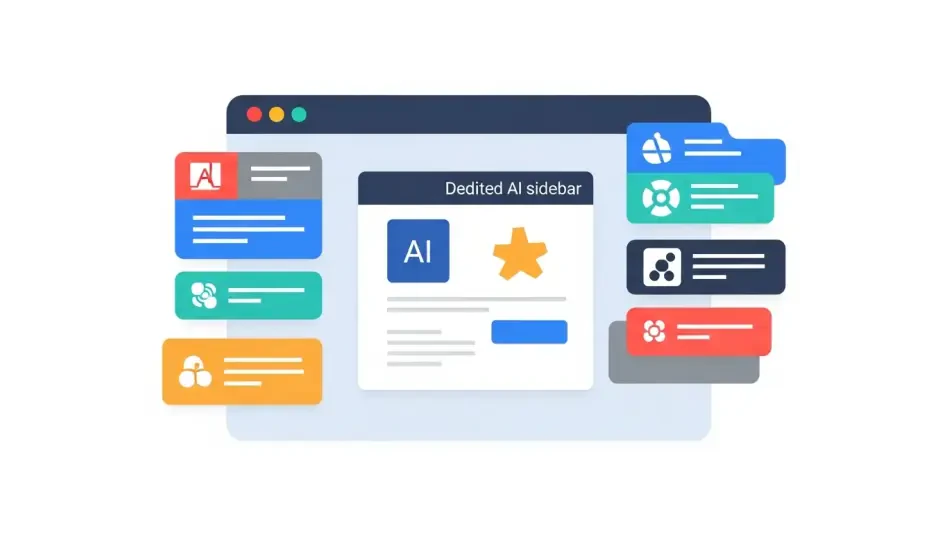
The technical failure at the heart of this exploit involved the WebView tag, which Chrome uses to render the Gemini interface. Researchers at Palo Alto Networks’ Unit 42 found that the browser failed to enforce strict policy boundaries, allowing extensions using the declarativeNetRequests API to overreach. By subverting these permissions, a seemingly harmless extension could inject unauthorized HTML or JavaScript directly into the Gemini sidebar. This allowed attackers to operate within a trusted UI element, making their malicious activities nearly invisible to both the user and standard security protocols.
High-Privilege Risks and the Evolution of Phishing
Because the Gemini panel is a native part of the Chrome UI, it possesses permissions that standard web pages do not, such as the ability to interact with the local file system or access hardware. A successful exploit grants an attacker the power to capture screenshots of active tabs, listen through the microphone, or activate the camera without explicit user consent. Beyond data theft, this vulnerability enables a new breed of phishing; because the prompts appear to come from Google’s official AI, users are far more likely to trust malicious requests for sensitive credentials or system permissions.
Strategies for Defending Against Extension-Based AI Threats
Protecting your digital environment requires a proactive approach to browser management and a strict adherence to update cycles. Users must immediately ensure they are running Chrome version 143.0.7499.192 or later, which contains the critical patch issued in January 2026. Beyond updating, it is essential to audit installed extensions and remove any that request excessive permissions, particularly those that interact with network requests. For developers and organizations, the focus must shift toward rigorous sandboxing, ensuring that third-party extensions remain entirely isolated from native AI components to prevent the subversion of the browser’s core trust model.