The physical backbone of modern civilization, ranging from power grids to water treatment facilities, currently faces an unprecedented level of risk as the digital and physical worlds continue to converge. Accenture has responded to this escalating threat by committing a staggering $4.175 billion to secure the “xOT” or extended Operational Technology environment, marking a decisive shift from its traditional role as a services firm toward becoming a major provider of specialized security software. This investment represents a calculated effort to dominate the critical infrastructure market by acquiring a majority stake in Dragos and absorbing the unique capabilities of runZero and NetRise. As industrial systems increasingly migrate to cloud environments and integrate Internet of Things components, the attack surface has expanded well beyond the reach of conventional IT security. This strategic move provides the high-tech tools necessary to defend the essential services that underpin the global economy against increasingly complex, AI-driven threats.
Strengthening the Technological Foundation
Integrating Asset Visibility and Threat Detection
The core of this initiative is a unified defense solution that combines the strengths of three distinct tech companies under the Dragos umbrella, creating a robust shield for industrial operations. Traditional cybersecurity tools often fail in the operational technology space because they are designed for standard office software and cannot interpret the proprietary protocols used by heavy machinery or power distribution systems. Dragos brings a deep understanding of these specific industrial workflows, offering threat detection and response capabilities that are fine-tuned to recognize anomalies in physical operations. By integrating these specialized insights with broader network monitoring, the company provides a defensive layer that is both proactive and resilient. This approach ensures that when a cyber-adversary attempts to manipulate a physical process, the system can identify the intrusion based on operational deviations that standard IT security would miss.
Building on this foundation of threat detection, the inclusion of runZero adds advanced asset intelligence to solve the persistent challenge of maintaining complete network visibility within industrial sites. Many manufacturing plants and utility providers struggle with legacy systems and “shadow” hardware that have been added over decades without being properly documented or managed. These hidden devices often serve as easy entry points for hackers who exploit forgotten backdoors to bypass perimeter defenses. The runZero technology allows plant operators to identify every single piece of hardware on a network, from the newest smart sensors to the oldest programmable logic controllers. This level of transparency is critical because a security team cannot protect what it cannot see. By providing a comprehensive inventory of all connected assets, the platform empowers administrators to harden their networks and eliminate the blind spots that lead to catastrophic breaches.
Uncovering Hidden Risks Within Hardware Firmware
To address vulnerabilities at the most fundamental level, the specialized technology provided by NetRise offers deep visibility into the software supply chain and device firmware. Most industrial hardware contains internal code that is rarely updated and often contains vulnerabilities that are invisible to standard scanning tools. NetRise allows security teams to peer into this “hidden” code to identify potential weaknesses before they can be exploited by sophisticated threat actors. This capability is particularly vital in an era where supply chain attacks are becoming more common, as attackers seek to compromise the manufacturing process of the hardware itself. By analyzing the binary components of firmware, operators can ensure that the equipment they install is free from pre-existing malware or inherent flaws. This granular level of inspection transforms the security posture from a reactive stance to a preemptive one, ensuring that the foundational network is secure.
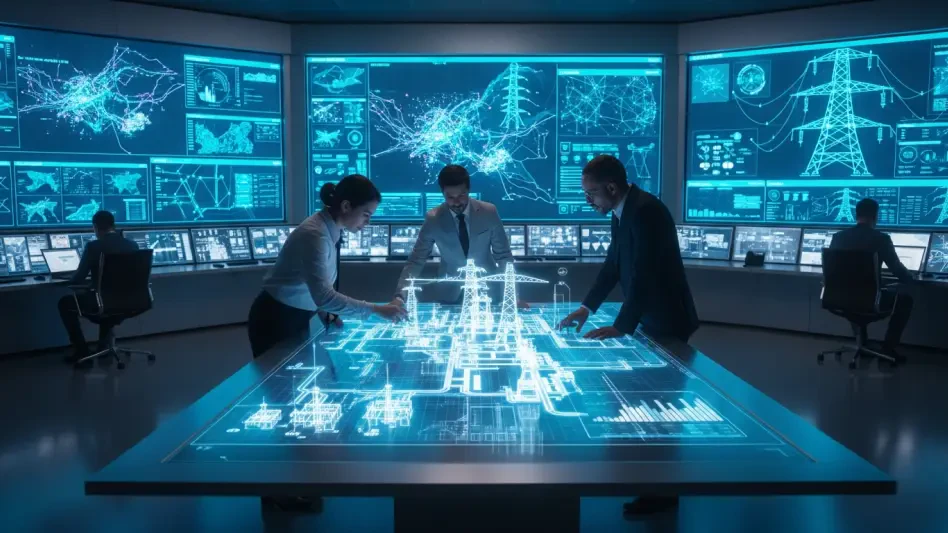
The ultimate goal of integrating these technologies is to provide infrastructure managers with a “single pane of glass” view, giving them total transparency and the ability to stop active threats in real-time. This unified dashboard eliminates the need to juggle multiple disconnected tools, allowing security professionals to see active threats, asset vulnerabilities, and firmware risks in one centralized location. Such transparency is invaluable when responding to a high-speed cyberattack, where every second counts toward preventing physical damage to equipment or service outages. By synthesizing data from Dragos, runZero, and NetRise, the platform offers real-time intelligence that is actionable and contextually aware of the specific industrial environment. This capability allows for a coordinated response that can isolate compromised segments of a network without shutting down the entire operation, preserving both security and productivity for the facility while maintaining control.
Establishing Long-Term Industrial Stability
From a financial perspective, this investment is a bold bet on the accelerating convergence of the digital and physical worlds and the corresponding need for specialized protection. The firm’s cybersecurity revenue has seen a meteoric rise, growing from a modest $700 million a decade ago to a projected $10 billion in 2026. This growth rate significantly outpaces other sectors, highlighting the immense demand for security solutions in an increasingly volatile global landscape. While the firm has long been a leader in the consulting and services sector, the move into high-margin software marks a significant evolution in its business model. By owning the software that protects critical infrastructure, the company secures recurring revenue streams and positions itself as an indispensable partner to both governments and private corporations. This strategic shift reflects a realization that services alone are no longer sufficient to counter the scale and speed of modern cyber threats.
Industrial leaders recognized that the completion of this investment marked a turning point in how critical infrastructure was defended against the rising tide of automated cyber threats. The transition toward a unified xOT strategy provided a clear roadmap for organizations that previously struggled to bridge the gap between their IT departments and their operational facilities. To capitalize on these advancements, decision-makers focused on conducting comprehensive audits of their existing hardware landscapes and firmware vulnerabilities using these newly integrated tools. They also prioritized the training of specialized teams capable of interpreting operational data through the lens of cybersecurity threat detection. By adopting a “security by design” philosophy for all new infrastructure projects, they ensured that future expansions remained resilient against sophisticated AI-driven attacks. This proactive stance allowed global industries to maintain stability and continue their digital transformation with confidence.