
The rapid escalation from initial reconnaissance to privileged access via Microsoft Graph illustrates the dangerous efficiency of AI-driven multi-agent frameworks. This evolution marks a significant departure from the noisy, easily detectable intrusion attempts of the past, signaling a new era where state-aligned actors weaponize the very automation tools designed to assist developers. By targeting the underlying trust relationships between managed service platforms and their clients, attackers have found a way to bypass traditional perimeter defenses. The recent activity attributed to Storm-0940 demonstrates how these sophisticated adversaries can now scale their operations to target thousands of distinct environments simultaneously. This paradigm shift requires a fundamental reassessment of how organizations manage application identities and service principals within their cloud ecosystems, as the speed of modern attacks now outpaces many human-led response protocols. Continuous monitoring and rapid identity verification are now the baseline for security.
Evolutionary Shifts in Adversary Methodology
From Brute Force to Precision Automation
Between October 10 and 14, 2026, the threat actor initiated a high-volume password-spray campaign targeting approximately 327 accounts across various sectors. This initial phase was characterized by its raw intensity, reaching a peak of 2,900 failed authentication attempts per minute. Despite the aggressive nature of this approach, it remained largely ineffective due to robust account lockout policies and modern identity protection mechanisms that flagged the suspicious traffic. However, this failure served as a precursor to a much more refined and dangerous strategy. The transition from these loud, brute-force methods to stealthy, application-based tactics highlights a tactical flexibility that is becoming standard among advanced persistent threats. By testing the boundaries of traditional defenses, the group gathered valuable telemetry on which organizations lacked multi-factor authentication or had vulnerable entry points, setting the stage for the subsequent exploitation phase.
Following the initial failed attempts, the operation pivoted on October 15, 2026, to utilize the ARTEX framework, an open-source, large language model-driven multi-agent system. This technology enabled the attackers to automate complex reconnaissance tasks and the subsequent abuse of application permissions with unprecedented speed. In several documented instances, the transition from initial reconnaissance to gaining privileged cloud access took less than three hours, a timeline that renders traditional daily log reviews obsolete. The multi-agent architecture allowed for simultaneous execution of varied tasks, such as scanning for sensitive directory roles and modifying existing application credentials to maintain persistence. This degree of automation ensures that the adversary can maintain a high tempo of operations while minimizing the manual overhead typically associated with targeted intrusions, allowing a single actor group to pressure thousands of tenants in a single coordinated strike.
Exploiting the Trusted Path of Third-Party Applications
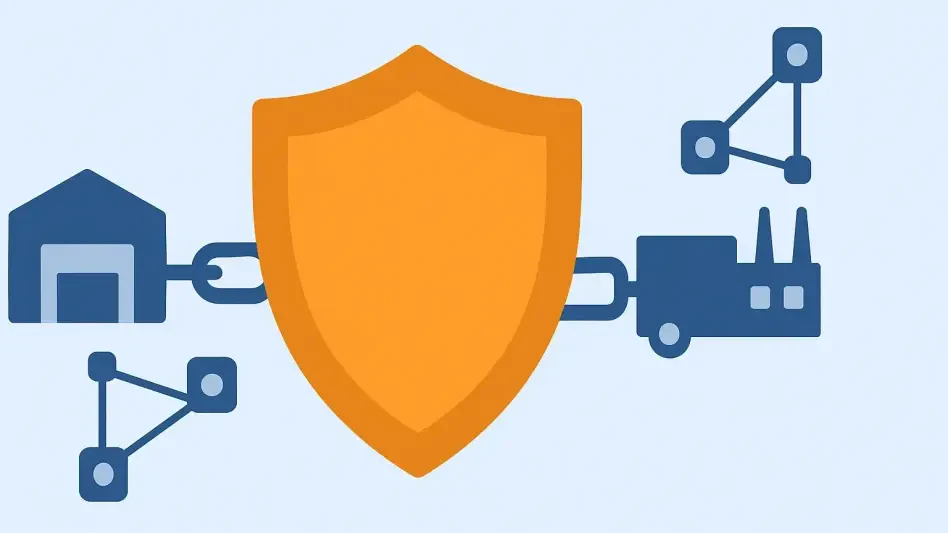
The core of the breach involved the compromise of ConnectWise application identities, which functioned as highly privileged conduits into downstream customer environments. These identities, which are essential for managed service operations like cloud backups and security monitoring, often possess broad permissions across multiple Microsoft 365 tenants. By hijacking these existing trust relationships, Storm-0940 bypassed the need for individual user credentials entirely, effectively moving laterally from a single point of compromise into over 2,250 separate organizations. This methodology exploits the supply chain nature of modern cloud services, where the security of a tenant is inextricably linked to the security of its integrated third-party applications. The use of these legitimate identities allowed the attackers to blend in with normal administrative traffic, making detection significantly more challenging for standard security operations centers that may not prioritize monitoring service principal activity.
Once the attackers secured access through the ConnectWise identities, they focused their efforts on Microsoft Graph to conduct deep reconnaissance and unauthorized directory modifications. Observed activities included the addition of new secret credentials to existing applications and the attempted reassignment of directory roles and group memberships. These actions were designed to create backdoors that would persist even if the primary compromised identity was revoked. By manipulating the Microsoft Graph API, the threat actor could programmatically query for high-value targets, such as global administrators or accounts with access to sensitive data repositories. This programmatic approach to privilege escalation ensures that the adversary can rapidly identify and exploit the most critical assets within a victim’s cloud infrastructure. The systematic nature of these modifications points to a clear objective: establishing a long-term, stealthy presence within the target environments to facilitate future data exfiltration.
Strategic Mitigation and the Future of Cloud Defense
Response Protocols and System Remediation
In the immediate aftermath of the detection, ConnectWise took decisive action by suspending critical services, including Cloud Backup and SaaS Security, to prevent further unauthorized access. This remediation involved disabling the affected application identities across their entire infrastructure while ensuring that isolated, encrypted backup archives remained protected from tampering. For organizations currently navigating the recovery process, Microsoft has provided a comprehensive set of recommendations that emphasize the continuous auditing of directory activity. Administrators are urged to perform a rigorous review of all service-principal sign-ins, looking specifically for anomalies such as logins from unexpected IP addresses or unusual times of day. Furthermore, it is essential to inspect all applications for newly added credentials or secret keys that were not authorized through official change management processes. These steps are critical for purging the environment of persistent threats that may have been established during the window of compromise.
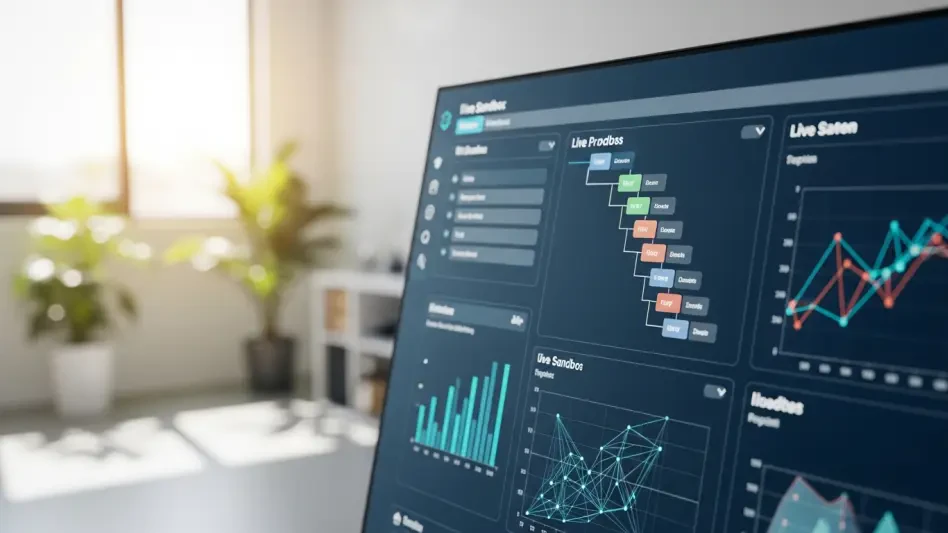
Beyond immediate cleanup, the incident highlights the necessity of implementing strict conditional access policies for service principals and third-party integrations. Organizations should adopt a least-privilege model, ensuring that applications only possess the specific permissions required for their intended function. This includes moving away from broad, all-encompassing roles in favor of scoped permissions that limit the potential blast radius of a single compromised identity. Effective defense in 2026 requires the use of automated identity protection tools that can detect and block suspicious service principal behavior in real-time. This includes monitoring for high-volume API calls to Microsoft Graph or sudden changes in directory-level permissions. By integrating these advanced monitoring capabilities into existing security workflows, defenders can close the gap between the onset of an attack and its mitigation. The focus must shift from simply securing human identities to creating a comprehensive security perimeter around non-human entities.
Strategic Integration: Advancing Beyond Reactive Defense
The resolution of the Storm-0940 campaign provided a stark reminder of the inherent risks found within the interconnected digital ecosystem. Security teams across the globe responded by re-evaluating their reliance on third-party service providers and the permissions granted to their associated applications. This event served as a catalyst for a more proactive approach to cloud security, where the focus shifted from simple perimeter defense to a dynamic, risk-based assessment of every identity within the network. Throughout the incident, the collaborative efforts between software vendors and cybersecurity researchers proved essential in identifying the scope of the breach and developing effective mitigation strategies. The industry moved toward a more transparent model of communication, sharing indicators of compromise more rapidly to protect the broader community from similar AI-driven threats. This collective response helped stabilize the affected environments and provided a blueprint for managing large-scale, automated attacks that target the fundamental trust of the cloud.
Looking ahead from 2026 to 2028, the defense against AI-augmented adversaries will require a continuous evolution of both technology and governance. Organizations must prioritize the development of automated incident response playbooks that can counter the speed of multi-agent frameworks like ARTEX. This involves investing in machine learning-based detection systems that can distinguish between legitimate administrative automation and malicious activity masquerading as authorized tasks. Additionally, the role of the security administrator must evolve to include the constant curation of application permissions and the regular rotation of service principal credentials. As threat actors continue to refine their use of large language models for offensive purposes, the defensive side must leverage similar technologies to predict and prevent potential breach vectors before they are exploited. Establishing a culture of continuous auditing and rigorous identity management will be the most effective way to ensure long-term resilience and protect the integrity of integrated cloud ecosystems.