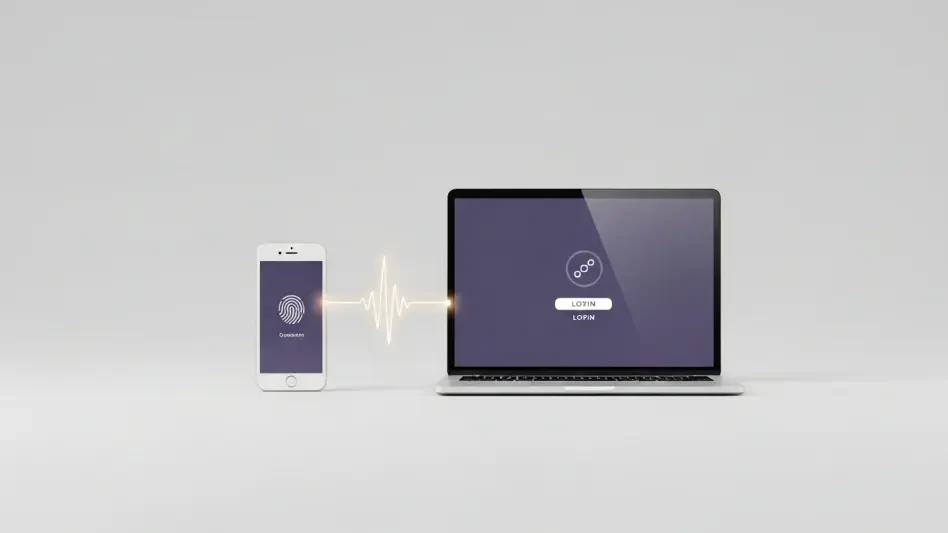

A single set of login credentials currently holds more value to a cybercriminal than the physical cash sitting in a leather wallet, yet millions of users continue to rely on recycled passwords for everything from streaming services to banking. With over 15 billion stolen credentials circulating on the dark web, the convenience of a “favorite” password has become the primary gateway for identity theft and financial ruin. This reliance on memory over security creates a massive vulnerability in an increasingly interconnected world.
The Evolution of the Credential Crisis
The digital landscape has shifted from isolated hacking attempts to automated, large-scale “credential stuffing” attacks where bots test stolen logins across thousands of platforms simultaneously. Modern criminals no longer need to target individuals; instead, they use massive databases of leaked information to find matching keys for high-value accounts. One minor data breach at a secondary retail site can provide hackers the keys to a primary email address, which serves as the hub for password resets and medical records.
Traditional methods of security, such as writing passwords in a notebook or relying on simple memorization, are failing because they cannot scale with the sheer volume of accounts the average person now manages. As the number of digital touchpoints grows from 2026 toward the end of the decade, the complexity of these attacks will only increase. A single point of failure in a user’s password strategy can trigger a domino effect, leading to the total compromise of their digital identity.
The Fallacy of Manual Password Management
The human brain is naturally poorly equipped to manage the “long and strong” passwords required for modern safety, leading many to default to predictable patterns. While some attempt to keep physical records in notebooks or safety deposit boxes, these methods fail to provide the real-time access required for mobile-first security. Furthermore, relying solely on browser-based managers can be limiting, as they often lack the robust cross-platform synchronization provided by dedicated third-party encrypted vaults.
Investing a small amount, typically between $25 and $40 annually, into a professional password manager serves as an essential insurance policy against devastating loss. These tools remove the burden of memory by generating and storing unique, encrypted strings for every service. By centralizing security into a single, highly protected vault, users can maintain high complexity across all accounts without the risk of being locked out or using vulnerable, repetitive phrases.
Insights from the Front Lines of Cybersecurity
Robert Siciliano, CEO of ProtectNowLLC.com, highlights that the “unique” aspect of a password is just as critical as its length or complexity. Experts argue that multi-factor authentication (MFA) is no longer an optional luxury but a “Security 101” requirement that acts as a final firewall when a password is compromised. This secondary layer of protection ensures that even if a string of characters is leaked, the account remains inaccessible without a physical token or biometric verification.
The industry is also seeing a growing concern regarding “digital legacy” and how credentials are handled after a user passes away. Without a master plan for credentials, personal assets and sentimental memories can be permanently locked away or seized by the state following a user’s death. Integrating security tools with an estate plan ensures that family members can navigate probate and inheritance without losing access to vital digital assets or historical family records.
A Blueprint for Digital Fortification
Establishing a secure digital presence requires moving credentials into an encrypted vault that synchronizes across laptops, tablets, and phones. This shift allows for the implementation of the “long, strong, and unique” rule, utilizing automated generators to ensure no two accounts share the same login string. Prioritizing app-based authenticators over SMS-based codes for sensitive accounts provides a more resilient defense against sophisticated SIM-swapping attacks and interceptive malware.
Performing a regular digital audit involves checking breach notification services to identify which existing passwords appeared on the dark web. It was also vital to maintain a secure, physical record of master credentials to ensure family members could navigate the legalities of a digital estate. By adopting these proactive measures, individuals effectively neutralized the threat of credential stuffing and reclaimed control over their private information.