The digital asset landscape is currently witnessing a massive wave of wallet migrations as the Pi Network facilitates the transition of balances to its mainnet environment for thousands of users globally. This period of increased activity often attracts sophisticated actors who exploit the technical nature of migration protocols to deceive unsuspecting participants into compromising their security credentials. While the process is designed to be seamless, the emergence of deceptive two-factor authentication prompts has introduced a significant layer of risk for those navigating the transition from mobile mining to functional decentralized holdings. Understanding the mechanics of these threats is essential for maintaining the integrity of personal digital assets as the network enters a critical phase of its operational expansion. Vigilance serves as the primary defense against such fraudulent schemes, ensuring that the fruits of long-term participation remain secure within the ecosystem rather than falling into the hands of malicious external entities. Technical literacy and a cautious approach to third-party interactions are the most reliable tools for safeguarding one’s digital footprint in this evolving environment.
1. Dynamics of the Second Migration Phase
As the network continues its systematic rollout, over 119,000 users have successfully navigated the complexities of the second migration, moving their transferable balances into live wallet environments. This expansion is not merely a technical milestone but a strategic necessity to ensure the upcoming decentralized exchange, often referred to as the Pi DEX, possesses sufficient liquidity to function efficiently. Without a robust circulating supply on the mainnet, the utility of the token remains limited, making these migrations vital for the broader ecosystem’s growth and stability in the market. The core development team has emphasized that the gradual release of funds helps manage the heavy load on the blockchain infrastructure, preventing bottlenecks that could disrupt the user experience during high-traffic periods. Consequently, the steady pace of these transfers reflects a deliberate approach to scaling, prioritizing technical security and network health over rapid, potentially unstable deployment cycles. Each successful migration brings the network closer to a fully realized economic system where tokens are actively utilized rather than passively held.
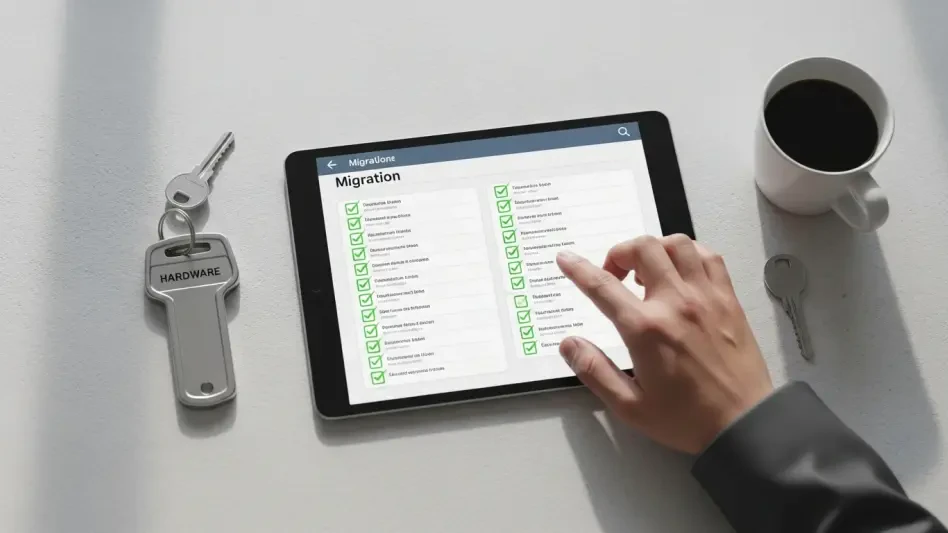
Participating in this migration requires strict adherence to a specific multi-step checklist that verifies the readiness of each individual account for the final transfer of assets. Every phase of this verification process is engineered to confirm user identity and wallet ownership, acting as a series of gates that prevent unauthorized access or technical errors during the move. Missing even a single verification step can lead to significant delays, leaving balances in a state of limbo until the requirements are fully met by the account holder. To streamline this process, the development team has integrated various tools within the primary application, allowing users to track their progress in real time while identifying any pending actions that might hinder their progress. This structured framework is designed to minimize human error, though it also places the burden of due diligence on the user to ensure that every task is performed within the sanctioned digital environment rather than through unverified third-party platforms. The integrity of the migration depends heavily on the user’s ability to distinguish between legitimate internal procedures and external attempts to interfere with the transfer process.
2. Defending Against Two-Factor Authentication Scams
A critical warning has been issued regarding the emergence of fraudulent two-factor authentication requests that appear through external links or unofficial browser pages. Official security protocols dictate that all forms of authentication must occur strictly within the native mining application, never through the standalone Pi Browser or any redirected website found on social media platforms. Scammers often utilize these deceptive links to harvest sensitive passphrases under the guise of an mandatory security update required for the migration process to proceed. Once a user provides their secret key on these malicious sites, the security of the wallet is permanently compromised, allowing attackers to siphon funds once the migration is finalized. It is important to note that users who completed the third step of the migration checklist in the past may not receive a new code, as the system recognizes prior verification. Any attempt to force a re-authentication via an external source should be viewed as a clear indicator of a phishing attempt designed to drain the user’s hard-earned digital assets. Protection remains a matter of sticking to the official app interface for every security-related interaction.
For those who may have inadvertently interacted with a suspicious link or shared their passphrase with an external entity, immediate corrective actions must be taken to secure future balances. The recommended procedure involves creating an entirely new wallet within the official application infrastructure to replace the one that has been potentially exposed to external threats. Following the creation of this new wallet, the user is required to reset their confirmation status at step three and re-verify step six of the migration checklist to link the new credentials. This ensures that the upcoming migration of funds is redirected to a secure, uncompromised destination rather than the original wallet that might be under the control of a malicious actor. Maintaining control over these security settings is the only way to prevent total loss of assets during the transition phase. By taking these proactive measures, participants can effectively neutralize the threat posed by previous lapses in security and continue their journey within the decentralized ecosystem with renewed confidence and safety. The goal is to establish a secure perimeter that scammers cannot penetrate, even if they have acquired legacy credentials through fraudulent means.
3. Future Considerations for Asset Security
The security landscape evolved as the migration process matured, teaching users that the most effective defense against sophisticated phishing traps was a combination of technical awareness and procedural discipline. Those who successfully navigated these challenges focused on utilizing only the official application interfaces, thereby avoiding the common pitfalls associated with external links and unsolicited authentication requests. By implementing the suggested corrective measures, such as generating new wallets and re-verifying checklist steps, participants effectively shielded their assets from being drained by unauthorized parties. This experience underscored the importance of maintaining absolute secrecy regarding passphrases, which remained the sole key to account integrity. Moving forward, the emphasis shifted toward continuous monitoring of official communication channels to stay informed about new security updates and evolving threat vectors. The successful transition of balances laid the groundwork for a more secure participation in the broader decentralized economy, ensuring that users remained the ultimate guardians of their own financial futures. These practical steps became the standard protocol for any participant looking to engage with the network’s increasing utility and value.