
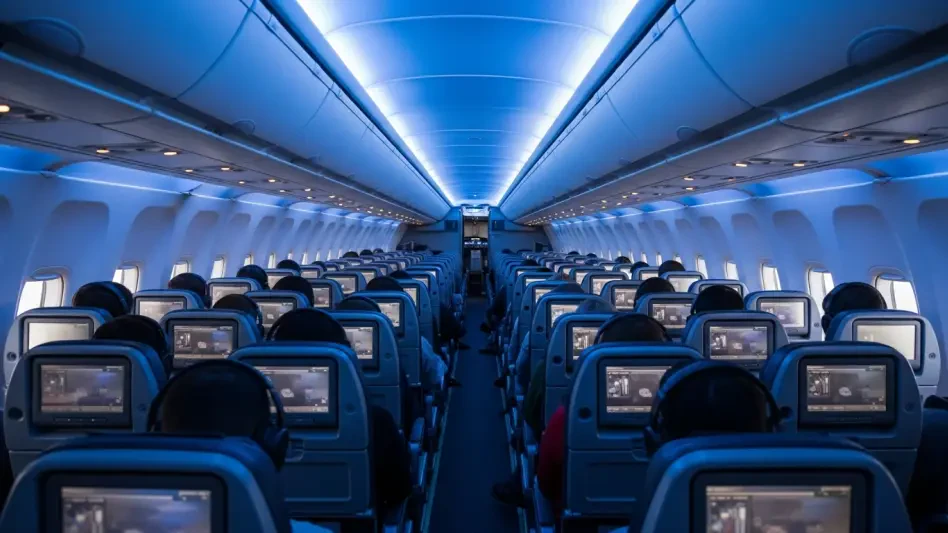
The experience of boarding a commercial aircraft has shifted from a routine logistical hurdle into a complex navigation of legal boundaries and high-stakes security protocols. Travelers today find themselves entering a cabin environment where the traditional social contract—once rooted in mutual courtesy and informal etiquette—has been replaced by a rigid framework of enforceable mandates and zero-tolerance safety measures. This transformation is driven by a necessity to manage increasingly crowded skies and the integration of high-speed connectivity, which brings both convenience and new forms of disruption. As these policies become more formalized, the margin for error for the average passenger has narrowed significantly, making an understanding of the current regulatory climate essential for anyone planning a journey. Whether it is a family heading to a vacation destination or a business professional on a tight schedule, the modern flyer must now contend with a reality where a single misunderstanding or a minor policy infraction can lead to federal intervention or a permanent loss of flight privileges.
Security Protocols and High-Stakes Diversions
The Impact of Mid-Air Security Interventions
The recent diversion of Southwest Airlines Flight 2094 serves as a stark reminder of how quickly a domestic flight can transition from a standard commute to a federal crime scene. While en route from Nashville to Fort Lauderdale, the aircraft was forced into an emergency landing in Atlanta following reports of a potential security concern that required immediate law enforcement intervention. Upon landing, the protocol was absolute and jarring; passengers were ordered to place their hands up and heads down, a physical posture designed to ensure the safety of the cabin during a tactical sweep. This incident underscores a significant shift in how airlines and federal agencies manage perceived threats, moving toward a “respond first, verify later” strategy. Even though the FBI eventually determined that no credible threat existed, the mere suspicion was enough to trigger a massive multi-agency response that grounded the aircraft and detained individuals for questioning.
This specific intervention highlights the diminishing threshold for what constitutes a manageable onboard disturbance versus a full-scale security emergency. In the past, many minor disputes or suspicious behaviors might have been handled by air marshals or flight crews in a more discreet manner, but the current climate favors a maximalist approach to public safety. For the passengers on board, the psychological impact of such an event is profound, turning a routine trip into a traumatic ordeal characterized by the sight of armed agents entering the cabin. From a regulatory perspective, these actions are justified as necessary precautions in an era where the cost of inaction is deemed too high. However, for the traveling public, this means that the risk of a major disruption is always present, regardless of the actual validity of the threat. The Southwest incident illustrates that in the eyes of federal authorities, the inconvenience of hundreds of passengers is a secondary concern compared to the absolute mitigation of potential risk.
The Cascading Effects of Operational Disruptions
When a flight is diverted for security reasons, the fallout extends far beyond the immediate tactical response and into the logistical foundations of modern travel. Following the investigation in Atlanta, the passengers of Flight 2094 were eventually transferred to a replacement aircraft, reaching their destination at 3:30 a.m. the following day. For travelers heading to time-sensitive locations like Orlando or Fort Lauderdale, such a delay is not merely a nuisance; it represents a total collapse of a carefully constructed itinerary. Many families traveling on this route have pre-paid, non-refundable reservations for theme park entries, dining experiences, and specialized tours that operate on strict windows of availability. Because these diversions often occur outside of the airline’s direct control—frequently classified as “force majeure” or security-related—the typical compensation structures that apply to mechanical delays often do not cover the secondary financial losses incurred by the passengers.
The fragility of these travel plans is exacerbated by the “just-in-time” nature of modern vacation scheduling, where every hour is accounted for from the moment of arrival. A delay of six or seven hours, particularly one that culminates in a middle-of-the-night arrival, leaves travelers exhausted and unable to utilize the first day of their planned trip. This reality forces a re-evaluation of how consumers should approach the booking process, as the traditional reliance on a seamless transition from the airport to the resort is increasingly risky. The economic impact of these disruptions is significant, as the loss of a single day at a premier destination can equate to thousands of dollars in wasted fees and lost opportunities. Consequently, the aviation industry’s shift toward aggressive security posture has created a secondary market of risk that passengers must now manage through either increased financial protection or more conservative scheduling, as the airline’s primary responsibility remains limited to the safe delivery of the person, not the preservation of their vacation schedule.
The Legalization of Cabin Etiquette
Formalizing Passenger Conduct and Noise Policies
The introduction of United Airlines’ formalized headphone mandate represents a pivot from suggested social norms to legally binding requirements within the contract of carriage. As of late February, the airline has codified the necessity for passengers to use headphones for all audio and video content, a move that directly addresses the rising friction caused by the ubiquity of personal electronic devices. This policy update is not merely a suggestion of courtesy; it is a defensive measure against the “noise pollution” that has plagued cabins as streaming services become more accessible mid-flight. With the rollout of high-speed satellite Wi-Fi across the fleet, the temptation for passengers to watch movies or listen to music without peripherals has grown, leading to an increase in verbal altercations and complaints. By placing this requirement into the legal contract that every passenger agrees to upon purchasing a ticket, United has provided its flight crews with a definitive tool for enforcement that removes the ambiguity of “reasonable behavior.”
This formalization of etiquette reflects a broader trend where airlines are seeking to minimize the potential for conflict by establishing clear, non-negotiable boundaries for passenger conduct. In previous years, a flight attendant might have asked a passenger to lower their volume as a favor to those seated nearby, but the new rules allow for a more assertive intervention. If a passenger refuses to comply with the headphone mandate, the consequences are now explicitly stated: they can be removed from the aircraft if it is still at the gate, or they may face future travel bans if the behavior persists or escalates. This shift suggests that the industry is moving away from a customer-service-first model in favor of a more structured, rule-based environment. The goal is to prevent minor annoyances from spiraling into “air rage” incidents, which have seen a steady rise in recent years. By legalizing these expectations, the carrier effectively shifts the burden of maintaining a peaceful cabin environment onto the passenger, making compliance a prerequisite for the privilege of flight.
Technological Advancements and Environmental Control
The drive toward stricter noise policies is inextricably linked to the rapid advancement of onboard technology and the expectations of the modern traveler. As airlines like United implement Starlink-based internet services, the cabin has essentially become a mobile office and entertainment hub, where the demand for high-bandwidth activities is at an all-time high. This technological leap forward creates a paradox: while passengers enjoy unprecedented connectivity, the shared space of the cabin becomes more volatile as different users’ preferences clash. A passenger attempting to work in a quiet environment may find themselves seated next to someone streaming a loud action movie, creating a point of friction that the airline is now legally obligated to mediate. The headphone mandate serves as a technological “guardrail,” ensuring that the benefits of high-speed Wi-Fi do not come at the expense of general cabin order or the comfort of others who are not participating in the digital ecosystem.
Moreover, the enforcement of these policies is becoming more streamlined through the use of digital documentation and real-time reporting by crew members. When a violation occurs, it is no longer just a verbal warning; it is often logged into a passenger’s permanent profile, creating a digital paper trail that can influence their future ability to book with the carrier. This level of oversight is a direct response to the need for more efficient cabin management in an era where flight attendants are increasingly focused on safety rather than just hospitality. The integration of these rules into the daily operations of the flight crew allows for a standardized response to disruptions, reducing the likelihood of inconsistent enforcement that can lead to claims of bias or unfair treatment. As more carriers observe the success or failure of United’s approach, it is highly probable that similar mandates will become industry standard, further cementing the transition from a culture of polite suggestion to one of strictly regulated personal conduct.
Adapting to the New Realities of Flying
Strategic Planning and Risk Mitigation in Modern Travel
Navigating the contemporary aviation landscape now requires a level of strategic foresight that goes beyond simply finding the lowest fare or the most direct route. Industry experts and seasoned travelers are increasingly advocating for the implementation of a “buffer day” when planning trips centered around major events or high-cost reservations. This approach involves arriving at the destination a full twenty-four hours before the primary activity begins, providing a necessary safety net against the unpredictable nature of security diversions and policy-related delays. In a world where a single security investigation can ground a flight for eight hours or more, the traditional “day-of” arrival is becoming a gamble that many can no longer afford to take. By building in this extra time, travelers can absorb the shock of a rerouted flight or a late-night arrival without jeopardizing the core components of their vacation or business engagement, effectively turning a potential disaster into a manageable inconvenience.
Furthermore, this shift in planning reflects a broader acceptance of the volatility inherent in the current air travel system. The “zero-tolerance” environment means that the airline will prioritize the integrity of the security process and the enforcement of conduct rules over the individual passenger’s schedule every time. Consequently, the burden of risk mitigation has shifted squarely onto the consumer. This requires not only a change in scheduling but also a more disciplined approach to the flying experience itself. Passengers must be proactive in their adherence to both stated and implied rules, ensuring that they do not become the catalyst for a disruption. This includes staying updated on the latest changes to the contract of carriage for their specific carrier, as these documents are being revised with increasing frequency to reflect new security mandates and behavioral expectations. Success in modern travel is thus defined by a combination of logistical padding and a high degree of situational awareness.
Financial Protection and Behavioral Compliance
The final layer of defense for the modern traveler involves a rigorous commitment to behavioral compliance and the acquisition of comprehensive financial protection. As airlines become more aggressive in their enforcement of conduct policies, the cost of non-compliance has risen from a mere embarrassment to a potential legal and financial catastrophe. A passenger who finds themselves on a “no-fly” list due to a dispute over headphones or a misunderstood interaction with a flight attendant faces a long-term loss of mobility that can be difficult to overturn. Therefore, the primary advice for navigating the skies today is absolute compliance with crew instructions, regardless of whether the passenger agrees with the underlying policy. This “compliance-first” mindset is the most effective way to avoid being the subject of a security intervention or an administrative removal, both of which have lasting consequences in a highly networked industry where data is shared across platforms.
Beyond personal conduct, the rise in unpredictable disruptions has made robust travel insurance an essential component of any journey rather than an optional add-on. Modern policies are evolving to cover a wider range of “trip interruptions,” including those caused by security diversions that were previously excluded or difficult to claim. For families with thousands of dollars invested in pre-paid activities, these insurance products provide a critical mechanism for recovering costs when an airline’s security protocols cause a missed connection or a lost day of travel. As the industry moves forward, the synergy between strict personal behavior, strategic scheduling, and financial hedging will define the successful traveler. The landscape of flight has indeed changed, and while the destination may remain the same, the journey now demands a more sophisticated and cautious approach to ensure that the “magic” of the trip is not lost to the realities of a more regulated and volatile sky. Looking ahead, the aviation sector will likely continue to refine these boundaries, making it imperative for passengers to stay informed and adaptable to maintain their access to the global skies.