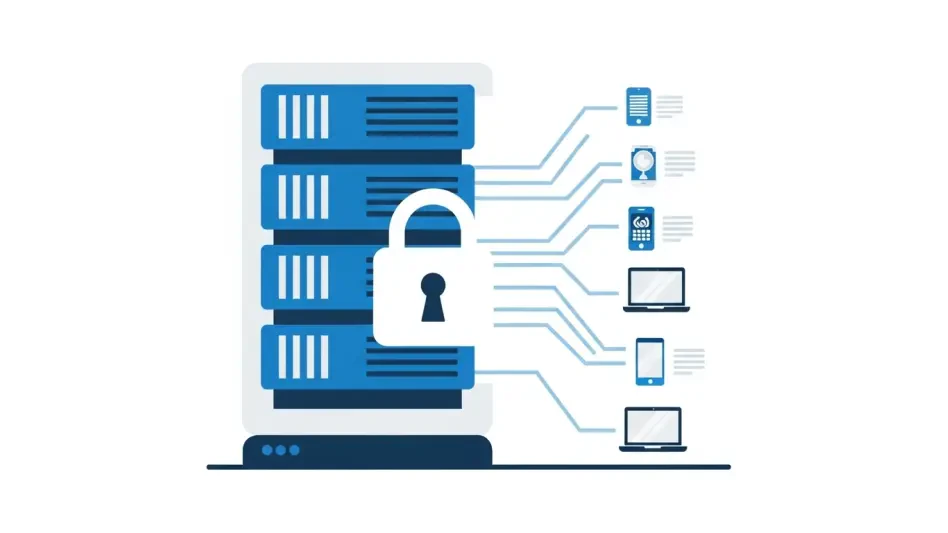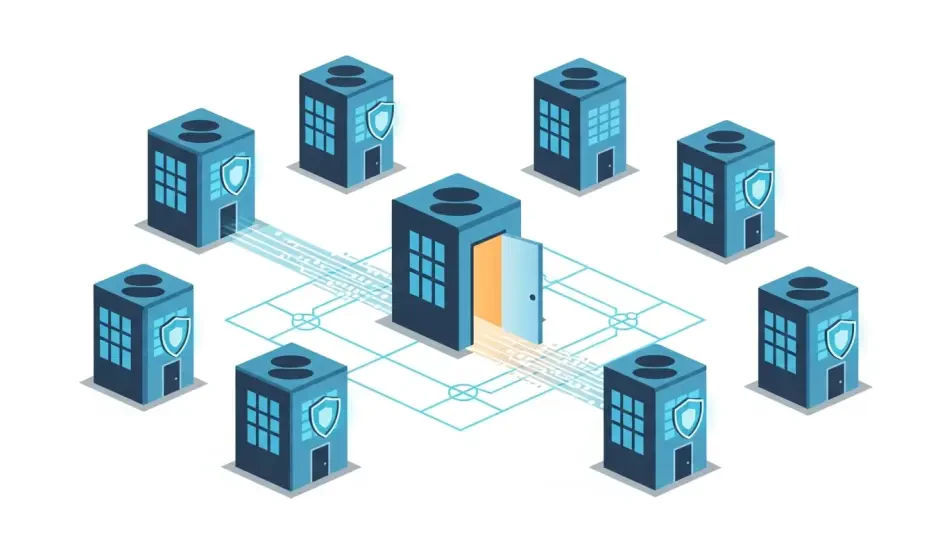
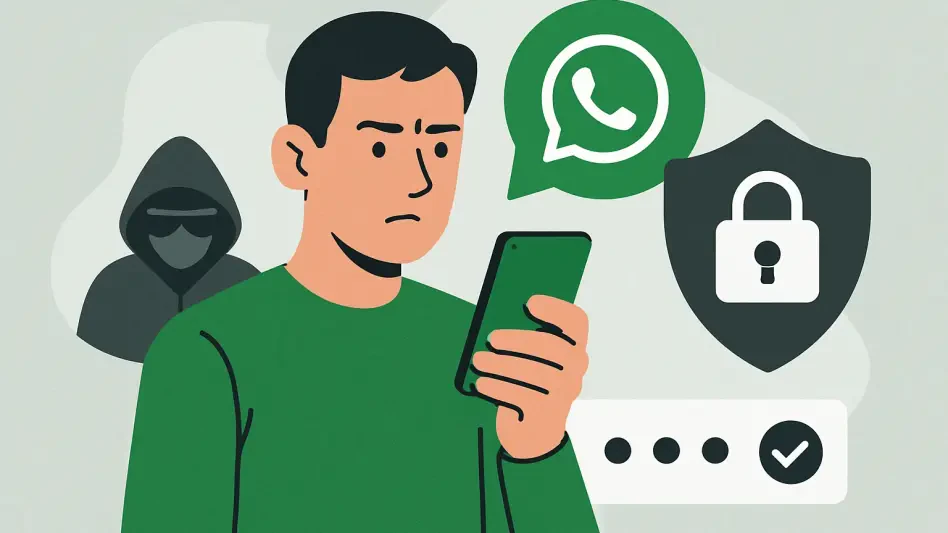
In an increasingly hostile digital landscape where a single malicious link or unsolicited file can compromise an entire life’s work, a new shield is being forged for those on the front lines of information and activism. Meta’s WhatsApp has officially rolled out a significant security enhancement called “Strict Account Settings,” a specialized feature designed to protect its most vulnerable users from sophisticated cyberattacks. This optional mode is tailored for individuals such as journalists, human rights activists, and public figures who are frequently targeted by state-sponsored actors and other malicious entities. When enabled, the feature creates a hardened digital environment within the application. It automatically blocks all media and attachments, including photos, videos, and documents, from senders who are not in the user’s contact list. Furthermore, it disables the generation of link previews, a common vector for exploits, and silences all incoming calls from unknown numbers, effectively closing several key avenues for surveillance and hacking attempts.
A Growing Trend in High-Stakes Digital Defense
This initiative by WhatsApp is not an isolated development but rather a significant entry into a growing industry-wide movement toward offering specialized, high-security modes for at-risk individuals. The concept of creating a fortified “lockdown” environment on personal devices was prominently established by Apple with its “Lockdown Mode.” This system-level feature drastically restricts device functionality to minimize the attack surface, limiting message attachments, certain web technologies, and incoming FaceTime calls from unknown parties. Similarly, Alphabet has long offered its “Advanced Protection Mode” for Google accounts, which provides a stringent set of safeguards, primarily by restricting data access for third-party apps and limiting the installation of applications from sources outside the official app store. WhatsApp’s “Strict Account Settings” follows this established blueprint, applying the same core principles of reducing potential vulnerabilities directly within its widely used communication platform, signaling a broader recognition among tech giants of their responsibility to protect users facing extraordinary threats.
Expert Endorsement and the Path Forward
The introduction of these enhanced security measures has been met with strong approval from cybersecurity experts and digital rights organizations. John Scott-Railton, a senior researcher at The Citizen Lab, a group renowned for investigating high-tech espionage against civil society, noted that such features are a crucial and welcome development. The consensus view is that while end-to-end encryption provides a powerful baseline of security for all users, it is no longer sufficient for those specifically targeted by well-funded adversaries. These high-security modes provided a necessary, additional layer of defense that could thwart common infiltration tactics used to deploy spyware. The implementation of “Strict Account Settings” by WhatsApp, alongside similar features from Apple and Alphabet, represented a pivotal moment in consumer technology. It acknowledged that a one-size-fits-all security model was inadequate and affirmed the tech industry’s commitment to providing specialized tools that helped safeguard democracy’s most essential voices from digital surveillance and suppression.