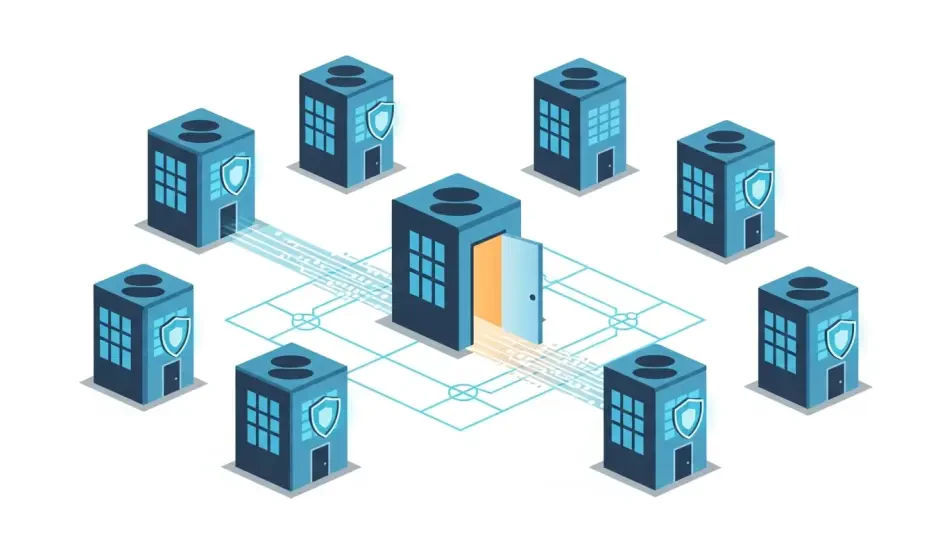
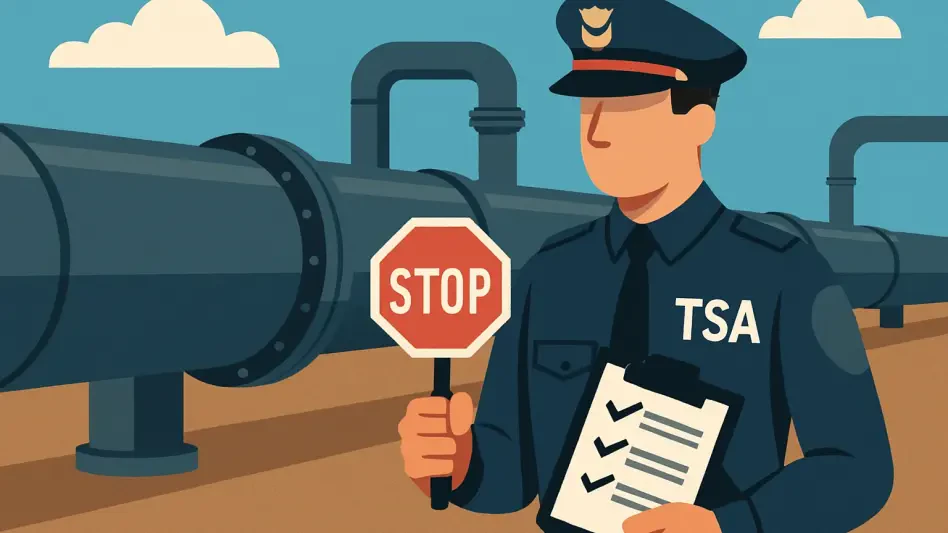
Beneath the surface of American commerce and daily life lies a sprawling, yet increasingly vulnerable, network of pipelines now facing a regulatory overhaul designed to shield it from modern threats. The Transportation Security Administration (TSA) is spearheading this effort, proposing new rules that fundamentally reshape the security obligations for the nation’s pipeline operators. As these critical conduits for energy face an ever-evolving threat landscape, the federal government is shifting its oversight from a collaborative, voluntary model toward a set of mandatory, cyber-focused directives. This pivot is now entering a critical phase of public review, inviting industry stakeholders to weigh in on regulations that will define pipeline security for years to come.
America’s Arteries: The Critical Infrastructure of Oil and Gas Pipelines
The U.S. hazardous liquid and natural gas pipeline network functions as the circulatory system of the national economy. Millions of miles of pipeline silently transport the energy resources that power industries, heat homes, and fuel transportation, making their uninterrupted operation a matter of both economic stability and national security. A disruption in this intricate system can trigger cascading effects, impacting everything from gasoline prices at the pump to the operational capacity of the nation’s electrical grid and military installations.
This vast infrastructure is managed by a diverse group of private-sector operators, ranging from large multinational corporations to smaller, regional distributors. For years, security oversight has been led by the TSA, which has historically engaged with these industry players through a framework built on partnership and voluntary assessments. However, as the nature of security threats has transformed, this traditional approach is proving insufficient, prompting a significant reevaluation of the regulatory responsibilities necessary to protect this vital national asset.
The Evolving Threat Landscape and the TSA’s Response
Beyond Physical Fences: The Shift to Cybersecurity Fortification
The TSA’s historical approach to pipeline security has been largely embodied by its Pipeline Corporate Security Review (CSR) program. This voluntary initiative involves collaborative, face-to-face engagements where the agency assesses an operator’s physical security measures—think fences, surveillance, and access controls. While valuable, this program was designed for a world where the primary threats were tangible and localized. The focus was on preventing physical sabotage or unauthorized access to facilities.
In stark contrast, the mandatory Security Directive (SD) Pipeline-2021-02 series represents a decisive pivot toward defending against digital incursions. This shift was not arbitrary; it was a direct response to a series of high-profile cyberattacks that exposed the profound vulnerability of critical infrastructure to remote threats. These incidents demonstrated that a malicious actor could disrupt the flow of essential resources from halfway around the world, making cybersecurity fortification a non-negotiable component of national security and forcing regulators to impose binding requirements on the industry.
Projecting the Impact: New Mandates for Critical Operators
Under the new directives, pipeline owners and operators designated as “critical” by the TSA face a host of forward-looking obligations that go far beyond previous expectations. Central to these mandates is the requirement to develop and submit a comprehensive cybersecurity implementation plan to the TSA for formal review and approval. Once approved, operators are legally bound to implement and maintain all specified protective measures, establishing a new baseline for digital resilience across the sector.
Furthermore, the regulations emphasize proactive defense and preparedness. Critical operators must now develop, maintain, and annually test a cybersecurity incident response plan. This plan is not a static document; it must be a living strategy designed to protect critical cyber systems from operational disruption and ensure a swift, coordinated recovery in the event of an attack. To ensure continuous improvement and compliance, operators are also required to submit an annual cybersecurity assessment plan to the TSA, creating a cycle of evaluation, implementation, and testing that becomes integral to their operations.
The Compliance Challenge: Balancing Security with Practicality
While the need for heightened cybersecurity is undisputed, the implementation of these new mandates presents significant obstacles for pipeline operators. The administrative and technical requirements introduce a substantial reporting burden, demanding considerable resources in terms of personnel, technology, and time. For many operators, particularly smaller entities with limited IT and security staff, meeting these rigorous standards will be a formidable challenge, raising concerns about the practicality and economic impact of the proposed rules.
Recognizing these potential hurdles, the TSA is actively soliciting feedback from the industry to refine the requirements. The agency’s call for public comment specifically asks for suggestions on how to minimize the compliance burden, including the potential use of automated systems and electronic collection technologies to streamline reporting. This dialogue is crucial for striking a balance between establishing robust, non-negotiable security standards and ensuring the regulations are achievable for the diverse range of operators responsible for this critical infrastructure.
Navigating the Regulatory Gauntlet: The Public Comment and Approval Process
The proposed rules are currently in a crucial administrative phase, subject to a 30-day public comment period that allows stakeholders to provide written recommendations. This window for feedback, which follows a previous 60-day period that concluded without any public comments, represents a vital opportunity for the industry to help shape the final form of the regulations. Following this period, the proposal will undergo a final review by the Office of Management and Budget (OMB) before it can be fully enacted.
As part of this process, the TSA has made several administrative updates to clarify the scope and sensitivity of the information being collected. The official title of the information collection is being revised to “Pipeline Corporate Security Reviews and TSA Security Directive Pipeline-2021-02 series” to accurately reflect both the voluntary and mandatory components. Moreover, all data submitted by operators under these programs is designated as Sensitive Security Information (SSI), ensuring it is protected under strict federal protocols governing its handling, storage, and dissemination.
The Future of Pipeline Security: A New Era of Oversight
The TSA’s request to the OMB for a three-year renewal of its information collection authority underscores a fundamental and long-term shift in regulatory philosophy. These new cybersecurity mandates are not a temporary reaction to recent events but rather the foundation of a new, more assertive era of federal oversight for the pipeline industry. The move from voluntary guidelines to mandatory directives signals that the government views the cyber threat to critical infrastructure as a persistent and evolving national security risk that requires continuous and verifiable action from the private sector.
This new paradigm establishes continuous assessment and mandatory incident response planning as the new industry standard. Pipeline operators will no longer be able to treat cybersecurity as a secondary concern or a matter of optional best practices. Instead, it will be an integral, auditable component of their licensed operations, subject to direct federal scrutiny. This framework is designed to foster a culture of proactive security, compelling companies to constantly evaluate their vulnerabilities and enhance their defenses against an increasingly sophisticated threat landscape.
Actionable Insights: What Operators Need to Know Now
For pipeline operators, the most critical takeaway from the TSA’s proposal is the clear and widening distinction between its security programs. The voluntary, physical-focused Corporate Security Reviews will continue as a collaborative effort, but they are now complemented by the non-negotiable cybersecurity requirements of the Security Directive series. Understanding the specific obligations under each is paramount for ensuring compliance and avoiding potential penalties.
Ultimately, the ongoing rulemaking process presents a pivotal moment for the industry. Stakeholder engagement during the public comment period is not merely a formality; it is a crucial mechanism for ensuring that the final regulations are both effective in enhancing security and practical for operators to implement. As the industry moves toward this new era of heightened security obligations, proactive preparation and a deep understanding of the emerging regulatory landscape are essential for navigating the challenges ahead.