
The global digital infrastructure relies on a set of specialized, hidden zones that were never intended for public consumption, yet cybercriminals have discovered how to turn these technical backwaters into potent launchpads for modern phishing campaigns. The .arpa top-level domain serves as a critical functional area of the internet, primarily utilized for administrative and infrastructure tasks such as reverse DNS mapping. Because this space was designed for machines to communicate routing details rather than for hosting websites, many legacy security filters and reputation-based scanners simply do not monitor it for malicious activity. This inherent trust allows threat actors to operate in a blind spot that bypassed traditional defenses throughout the early months of 2026. By embedding fraudulent content within these technical zones, attackers effectively neutralize the URL analysis tools that organizations have spent years perfecting. The shift toward exploiting these fundamental internet protocols suggests a move away from simple spoofing and toward more structural forms of digital deception.
Architectural Exploitation of Infrastructure Zones
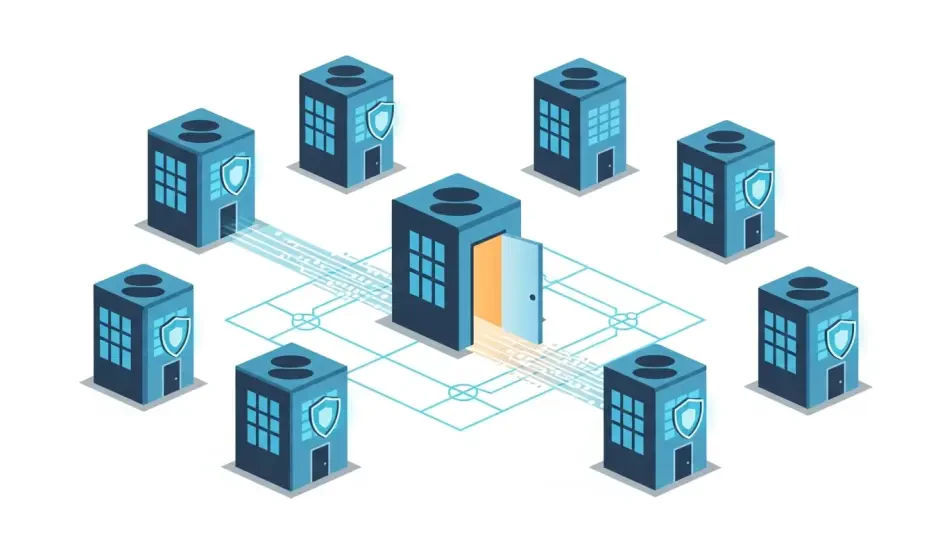
The technical execution of these campaigns demonstrates a high level of sophistication, particularly in how attackers leverage modern networking protocols like IPv6 to generate a nearly infinite supply of identifiers. By utilizing IPv6 tunnels provided by major service entities such as Cloudflare or Hurricane Electric, scammers can host deceptive content within the .arpa infrastructure while remaining extremely difficult to track or block. Traditional blocklists are often calibrated for the finite space of IPv4 or common commercial domains, making the vastness of IPv6-linked .arpa records a perfect environment for evasion. When a security tool encounters a request from an address within this zone, it often classifies the traffic as a routine technical process rather than a potential threat. This allows the malicious payload to reach the end user without triggering the typical warnings that would accompany a standard phishing site. Consequently, the very systems meant to ensure internet stability are being co-opted to deliver fraudulent data directly to unsuspecting targets.
Beyond the use of technical domains, these threat actors employ a method known as domain shadowing to bolster their legitimacy and bypass modern email authentication protocols. This involves gaining unauthorized access to the DNS settings of reputable corporate websites and creating subdomains that point to malicious servers. Because the parent domain is legitimate and well-established, these shadowed subdomains inherit the high reputation of the primary site, allowing phishing emails to pass through strict filters. Additionally, attackers have been observed hijacking “dangling CNAMEs,” which occur when a functional link is left pointing to an expired or deleted service. By reclaiming these orphaned records, scammers can take control of subdomains formerly owned by universities, government agencies, or prominent media organizations. This technique is particularly effective because it uses the institutional trust built by these entities over decades to deceive users into believing that the fraudulent “free gift” or “storage limit” notifications are authentic.
Advanced Evasion and Financial Capture
To further ensure the success of their operations, these groups utilize complex Traffic Distribution Systems that act as a sophisticated filtering layer between the victim and the final scam page. When a user clicks a link, the system analyzes their connection metadata, looking for specific criteria such as residential IP addresses or mobile device signatures while filtering out known security researchers or automated bots. This ensures that the most harmful content is only visible to genuine potential victims, making it incredibly difficult for automated security platforms to detect the scam during routine crawls. The phishing lures themselves are often stripped of text, consisting instead of a single large, clickable image to evade text-based scanning and keyword detection algorithms. This visual-first approach bypasses natural language processing tools that look for common phishing phrases. By the time a security team identifies the threat, the Traffic Distribution System has often already rotated the destination URL to a new, clean infrastructure record.
The ultimate objective of these elaborate campaigns is the systematic theft of financial data through deceptive shipping or service fee frameworks. Once a victim is funneled through the distribution system, they are presented with a professionally designed page claiming their cloud storage is full or that a package is waiting for delivery. To resolve the issue, the user is prompted to enter their credit card details to cover a nominal processing fee, which serves as the primary mechanism for harvesting sensitive banking information. Looking forward, it is clear that organizations must implement more comprehensive visibility into all layers of the DNS, including the technical zones previously considered safe. Security teams in 2026 acted by integrating deep packet inspection and behavioral analysis for all infrastructure-related queries. This shift required moving away from simple reputation lists toward a model that verified the intent of every connection, regardless of the domain’s historical purpose. These proactive measures were essential for closing the gap that scammers had successfully exploited.