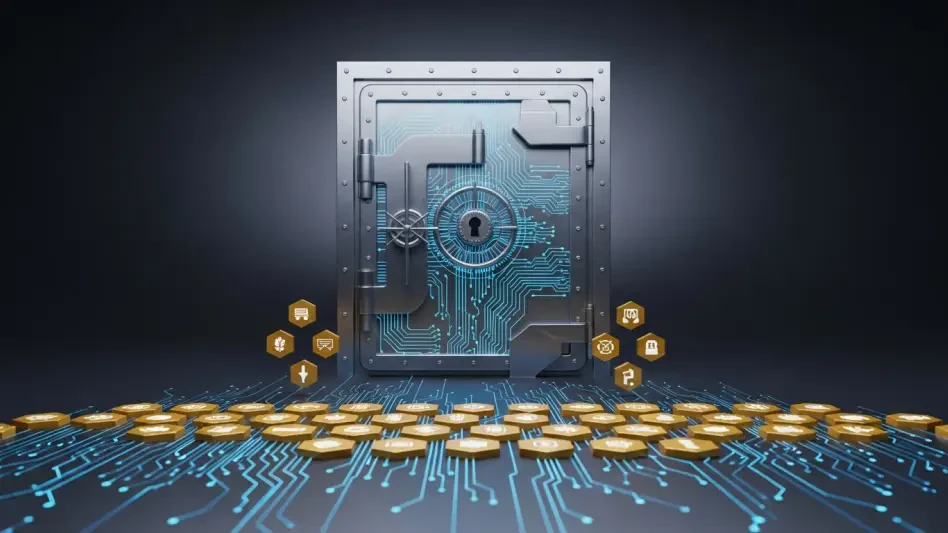

Modern cybercriminals are currently abandoning the predictable methods of the past in favor of sophisticated, high-stakes deception that leverages the very customer service tools we have grown to trust for daily problem-solving. This evolution transforms a standard interaction into a dangerous digital ambush where the adversary sits behind a legitimate messaging interface. Instead of landing on a static, poorly constructed website, victims find themselves engaged in a dynamic dialogue with a live operator who is trained to siphon data under the guise of helpfulness.
Beyond the Static Page: The Rise of Real-Time Conversational Fraud
While most internet users have learned to spot a clunky, misspelled phishing website, a new breed of cybercrime is using live human interaction to bypass those instincts. By hijacking legitimate software-as-a-service tools like LiveChat, attackers are no longer just sending victims to a fake form; they are inviting them into a real-time conversation. This tactical shift exploits the conversational nature of modern support, making the threat feel more like a service and less like a scam.
This evolution in social engineering turns a standard “lc.chat” link into a digital trap where the person on the other end isn’t a customer service representative, but a thief waiting for credit card details. The move away from automated scripts toward manual manipulation allows scammers to pivot their approach based on the specific concerns of the target. Such fluidity makes the fraud significantly harder to detect through traditional security awareness training that focuses on static elements.
Why the Weaponization of Legitimate SaaS Tools Is Catching Users off Guard
This scam matters because it exploits the hard-earned trust consumers have in modern digital support channels. People have been conditioned to resolve issues with Amazon, PayPal, and other major brands through convenient chat boxes, making this medium a perfect camouflage for malicious activity. When a user sees a familiar chat window, their skepticism often vanishes, replaced by the expectation of professional assistance.
By hosting these sessions on reputable SaaS domains, threat actors can often slip past automated email filters designed to flag suspicious URLs. This architectural choice places the burden of detection entirely on the end user, who may not realize that a legitimate domain can host illegitimate content. Security software frequently whitelists these providers, allowing phishing messages to reach the primary inbox without resistance.
The Anatomy of the Exploit: From Psychological Hooks to MFA Bypass
The attack sequence begins with a high-pressure notification, such as a fraudulent $200 refund alert or an “order pending” crisis, designed to provoke immediate action. Once the victim clicks the link, they are greeted by a customized interface that mimics an official brand portal. These sessions are frequently managed by human operators who can adapt their responses to the specific questions or doubts of the victim.
During these interactions, the scammer systematically collects personally identifiable information, including home addresses and birth dates. The final blow occurs when the attacker requests a one-time security code under the guise of “verification,” allowing them to bypass multi-factor authentication. This direct intervention allows the criminal to gain full control over financial accounts in seconds, often while the victim is still typing a reply.
Insights From the Cofense Phishing Defense Center: The Danger of Human-Driven Attacks
Security researchers at the Cofense PDC have highlighted that this method is particularly effective because it lowers the psychological defenses of even savvy users. The presence of a “live” person—even one who uses casual greetings like “Ello” or displays erratic punctuation—creates a veneer of confidentiality and urgency that static pages lack. This human element bridges the gap between a suspicious link and a successful intrusion.
Expert analysis suggests that this shift toward “human-driven” phishing represents a significant threat to traditional security layers, as it targets the human element of trust rather than just technical vulnerabilities. Because the content of the chat is generated in real-time, it evades signature-based detection systems. The reliance on psychological manipulation rather than malware means that the most advanced antivirus software remains largely ineffective against this specific vector.
Proactive Strategies to Identify and Neutralize Interactive Chat Scams
To stay protected, users shifted their perspective on digital support and began treating unsolicited chat invitations with extreme skepticism. Verifying the source of a refund or order alert became a standard practice by logging into accounts through official apps or by typing the brand’s URL directly into a browser. These simple habits successfully dismantled the primary entry point for conversational fraud by removing the reliance on redirected links.
Legitimate customer service agents never asked for a one-time passcode to process a refund, and recognizing this fact protected many from authentication bypass. Vigilant individuals paid close attention to the tone and professional standards of the interaction; if a “representative” used overly casual language or pressured them for full credit card details, they terminated the session immediately. These proactive behaviors, combined with reporting incidents to actual service providers, established a stronger defense against the evolving landscape of interactive scams.