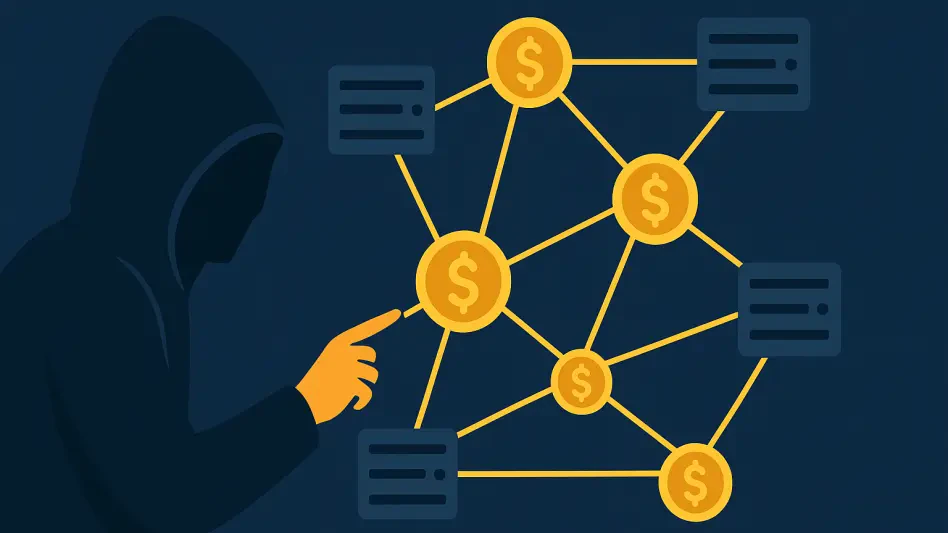
Sophisticated cybercriminals are currently leveraging the immense popularity of generative artificial intelligence to launch highly targeted malware campaigns specifically designed to compromise the environments of professional software developers. These threat actors create deceptive web portals and repositories that mirror legitimate artificial intelligence integration platforms, offering fake versions of popular libraries or standalone utilities that promise enhanced productivity or offline capabilities. When a developer downloads these tools, they unknowingly introduce sophisticated information-stealing malware into a system that likely contains proprietary source code, cloud infrastructure credentials, and internal SSH keys. This trend signifies a strategic shift in the threat landscape where high-value technical assets are the primary focus of social engineering efforts. The allure of cutting-edge technology serves as a perfect Trojan horse, bypassing the natural skepticism of experts by providing solutions that seem too relevant to ignore in a rapid-paced market. The current year marks a significant increase in the complexity of these delivery mechanisms, as attackers now use automated scripts to generate thousands of unique, malicious repositories that appear credible to even seasoned engineers.
Tactics Used in Technical Social Engineering
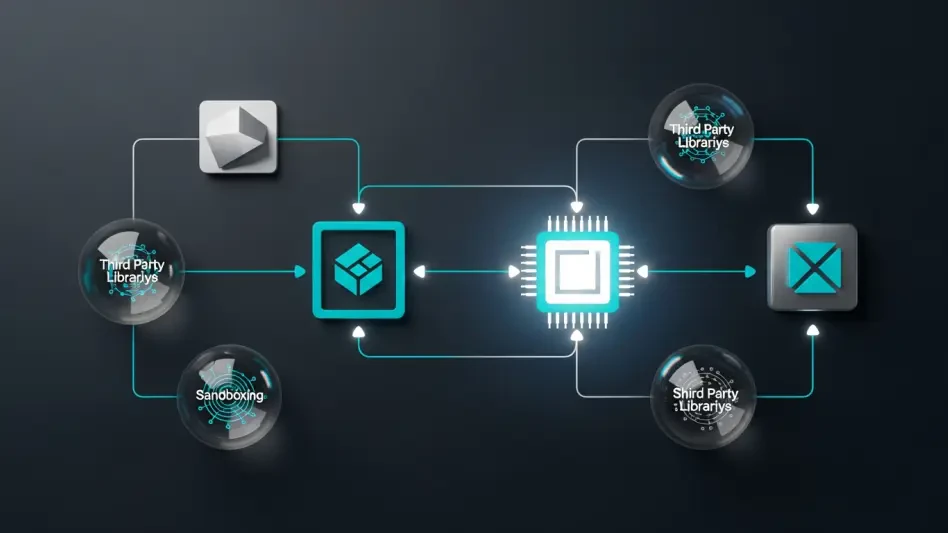
Attackers are utilizing typosquatting and malicious packages on platforms like PyPI and npm to distribute their payloads under the guise of essential artificial intelligence utility updates. These packages often contain secondary stages that execute in the background during the installation process of a seemingly harmless Python library or Node module. By embedding malicious code within post-install scripts, attackers ensure that the compromise begins the moment the developer initializes their local environment. The sophistication of these scripts has increased significantly, with many now including environmental checks to detect if they are running within a virtual machine or a sandbox.
If the script detects a legitimate development environment, it proceeds to deploy an info-stealer capable of harvesting browser cookies and password databases. This precision ensures that the malware remains dormant during automated security scans while successfully activating on a high-value target’s primary machine. The malware specifically targets browser extensions related to cryptocurrency wallets and session tokens for cloud service providers like AWS and Azure. Many of these campaigns utilize a custom version of the Lumma Stealer, modified to specifically scan for configuration files such as .env or .gitconfig which often hold unencrypted secrets.
Effective Detection and Mitigation Strategies
Protecting a technical workforce requires a departure from traditional security models toward a more rigorous zero-trust approach for all third-party software and dependencies. Development teams must prioritize the use of containerized environments or dedicated virtual machines for testing new and unverified tools before they are introduced into a production workflow. Implementing strict software bill of materials requirements helps in identifying the provenance of every package used within a project, ensuring that no unauthorized scripts are surreptitiously added to the build process during development.
Moreover, utilizing specialized scanning tools that look specifically for suspicious behavior in pre- and post-install scripts can mitigate the risks posed by malicious packages on public registries. Organizations should also enforce the use of hardware security modules or biometric-backed authentication for all cloud access, which renders stolen session tokens useless if they are exfiltrated from a developer workstation. These layers of defense create a robust barrier that accounts for human error and the inherent trust often placed in open-source ecosystems, shifting the focus from reactive cleanup to proactive prevention.
Resilience in the Development Lifecycle
The transition to a more secure development lifecycle required a fundamental change in how engineering teams approached the adoption of new productivity software. Security leaders implemented mandatory code signing for internal tools and established private mirrors for critical repositories to ensure that only vetted versions of libraries were available for use. This infrastructure allowed teams to maintain high velocity without sacrificing the integrity of their local environments or the security of the broader corporate network. Engineers adopted the habit of verifying the reputation and history of any new utility before installation.
Organizations that successfully navigated these challenges integrated security training specifically tailored to the nuances of supply chain attacks, teaching developers how to recognize the subtle red flags of fake repositories. These proactive measures ensured that the integration of artificial intelligence remained a driver of innovation rather than a gateway for exploitation. By treating every new tool as a potential vulnerability, the technical community built a resilient infrastructure that prioritized long-term security over immediate convenience. Future efforts focused on automating the verification of third-party code to stay ahead of evolving threats.