
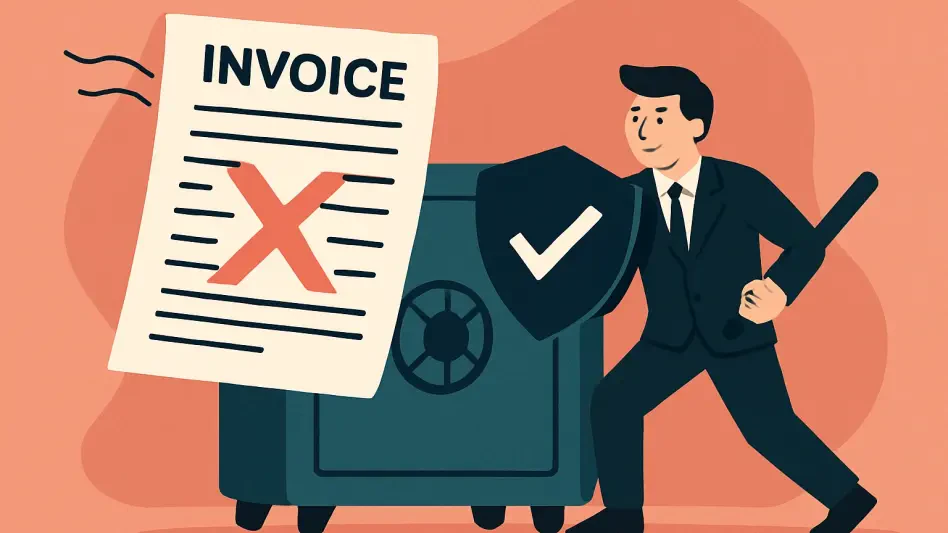
A single, seemingly legitimate email containing an updated invoice can quietly drain a company’s bank account before anyone even realizes a crime has occurred, turning a routine payment into a catastrophic loss. This scenario is not a distant possibility but a present and growing danger for businesses of all sizes.
The Multi-Million Dollar Threat Hiding in Your Inbox
The threat of invoice fraud has become so significant that it prompted a joint warning from the National Crime Agency and NatWest, signaling a critical need for heightened business vigilance. This form of cybercrime involves sophisticated tactics where criminals impersonate suppliers, intercept legitimate email threads, or craft convincing fake invoices to redirect payments into their own accounts. The goal is simple and devastatingly effective: to trick a business into sending money to the wrong place.
The financial repercussions are staggering. Recent data reveals the average loss for a single victim of invoice fraud is approximately £47,000 ($65,000), a figure that can cripple a small or medium-sized enterprise. By the time the deception is uncovered, the funds are often long gone, leaving the business to absorb the full impact. This guide provides the actionable strategies necessary to build a formidable defense against these costly attacks.
Why Your Business Can’t Afford to Be a Victim
Implementing robust preventative measures is not merely a matter of good practice; it is a fundamental component of corporate survival. A successful invoice fraud attack can instantly demolish a company’s cash flow, making it impossible to pay legitimate suppliers, meet payroll, or fund daily operations. For many businesses, a significant fraudulent payment is an existential threat that can lead to collapse.
Beyond protecting the bottom line, a strong anti-fraud strategy yields several critical benefits. It safeguards company assets, which are the lifeblood of the organization. Furthermore, it preserves the trust and integrity of supplier relationships, as payment disputes and delays caused by fraud can permanently damage commercial partnerships. Ultimately, these protocols ensure business continuity, allowing the company to operate without the constant risk of sudden financial ruin.
Actionable Steps to Safeguard Your Business
Defending against invoice and Business Email Compromise (BEC) scams requires more than just awareness; it demands the implementation of clear, non-negotiable security protocols. The following best practices form a layered defense designed to expose fraudulent attempts before they can cause harm.
Implement a Verify Then Pay Protocol for All Payment Changes
The most effective single defense against payment diversion is to treat every request to change supplier bank details with extreme skepticism. An email, no matter how convincing, is never sufficient proof. Instead, a strict “verify, then pay” protocol must be followed without exception. This involves contacting the supplier to confirm the change through an independent and previously established channel.
This verification process must be systematic. When an email requesting new bank details arrives, the first step is to pick up the phone and call a trusted contact at the supplier. Crucially, the phone number used must come from a reliable source on file, such as a master vendor list, a previous contract, or the supplier’s official website—never from the signature or body of the suspicious email itself. Consider the case of a finance clerk who received an urgent email from a major vendor with new banking information. Following protocol, she called the vendor using the number on their official website, not the one in the email. The vendor confirmed they never sent the request, thwarting a $65,000 fraudulent transaction.
Scrutinize Every Invoice for Telltale Red Flags
Fraudsters often rely on their victims being too busy to notice small inconsistencies. Training accounts payable staff to scrutinize every invoice for common red flags can uncover scams before they succeed. These warning signs often hide in plain sight, from slight variations in a supplier’s email address to poor grammar, typos, and unusual formatting in the invoice itself.
A vigilant eye is essential. For instance, an invoice might arrive from an email address that is one letter off from the legitimate one. Criminals also frequently use high-pressure language, creating a false sense of urgency to push a payment through before it can be properly vetted. One accounts payable specialist prevented a six-figure loss when she noticed a familiar supplier’s invoice had a slightly different logo and the email address was missing a single letter. This small discrepancy triggered an internal review, which uncovered a sophisticated BEC attack attempting to divert a massive payment.
Cultivate a Culture of Security Awareness
While processes and technology are vital, the most resilient defense is a well-trained and vigilant workforce. Every employee, particularly those in finance and accounts payable, must understand the tactics fraudsters use, from social engineering to email spoofing. Creating a culture of security awareness transforms employees from potential targets into a human firewall.
This culture can be fostered through regular training and the adoption of a simple, memorable mantra like “Check, Verify, Never.” This encourages employees to check for any changes to payment details, verify those changes independently with trusted contacts, and never transfer money until fully satisfied. After a company implemented quarterly fraud awareness training, an administrative assistant who occasionally processed small invoices received a fraudulent request. Recalling her training on social engineering, she immediately flagged it to her manager. This simple act prevented a loss and reinforced the immense value of a security-conscious workforce.
Final Verdict Your Best Defense Is a Proactive One
Invoice fraud is a pervasive and indiscriminate threat that targets businesses of every size, from sole traders to multinational corporations. No organization with an accounts payable function is immune, and the sophistication of these attacks continues to evolve.
Therefore, every business must adopt these best practices as a standard operating procedure. These security layers were not merely suggestions but essential defenses for protecting a company’s financial health. The critical decision was no longer whether to implement them, but how quickly and comprehensively it could be done.