Rural and semi-urban populations remain particularly vulnerable to the social engineering tactics used by global criminal organizations to siphon funds. As the national economy accelerates its transition into a fully digital ecosystem, the sheer speed of this transformation has inadvertently left a massive portion of the citizenry exposed to sophisticated psychological manipulation. Recent data from mid-2025 highlights a staggering 24% increase in cybercrime complaints, culminating in approximately 2.8 million reported cases. The economic consequences are profound, with total financial siphoning estimated at ₹22,495 crore, a figure that represents nearly 0.7% of the national Gross Domestic Product. This is no longer an issue of isolated technical breaches; it is a systematic exploitation of trust. Criminal syndicates have refined their methods, moving away from crude hacking toward high-level social engineering that bypasses advanced technical firewalls by targeting the human element of the transaction chain.
The Financial Toll and Defensive Infrastructure
Escalating Fraud Tactics: The Global Reach of Cybercrime
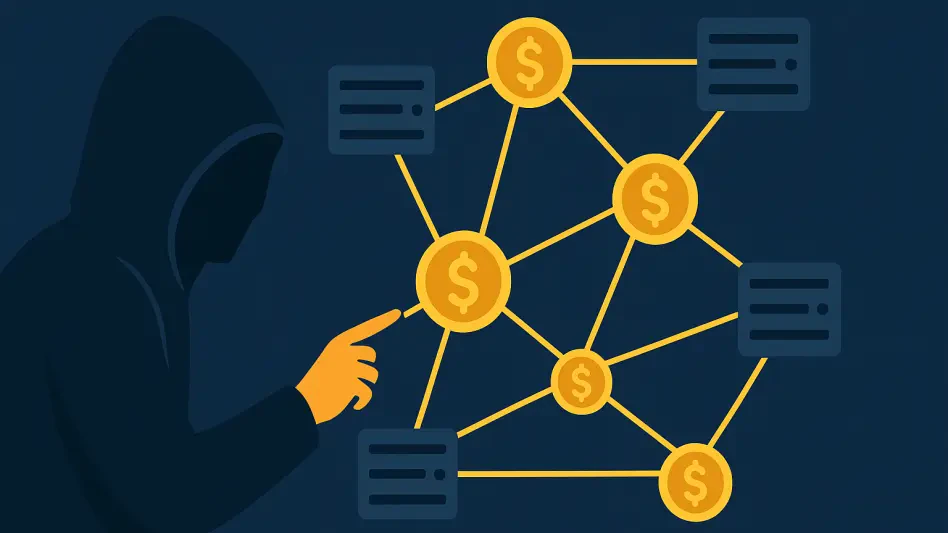
Modern cybercrime in the region has evolved into a highly organized industry, often referred to by experts as money laundering as a service. These operations are frequently orchestrated by overseas groups based in Southeast Asia, who utilize illegal digital payment gateways to move stolen assets across international borders within seconds. In 2026 alone, investigators flagged over 2.6 million mule accounts, which serve as the primary conduits for cleaning illicit funds before they can be traced by domestic authorities. These syndicates operate with a level of professional precision that mirrors legitimate fintech startups, employing dedicated teams to manage the layering and integration of funds. The complexity of these networks makes traditional recovery efforts nearly impossible once the money enters the global financial stream. Consequently, the focus of law enforcement has shifted toward intercepting these transactions at the point of origin before the funds exit the domestic jurisdiction.
Building on this foundation of criminal complexity, fraudsters have increasingly adopted artificial intelligence to generate highly convincing phishing messages and deepfake audio to impersonate bank officials. This psychological warfare is designed to induce panic or urgency, compelling victims to share sensitive credentials or authorize unauthorized transfers. The decentralized nature of these organizations allows them to remain resilient against localized police actions, as the masterminds often reside in jurisdictions with weak extradition treaties. Furthermore, the rise of unregulated digital assets has provided another layer of anonymity, making the tracking of the final destination of stolen capital an ongoing challenge for financial forensic experts. The sheer volume of transactions occurring every second in the digital payment space provides ample cover for these illicit movements, requiring a paradigm shift in how authorities monitor the flow of capital to prevent large-scale economic drainage.
Institutional Responses: Strengthening the National Shield
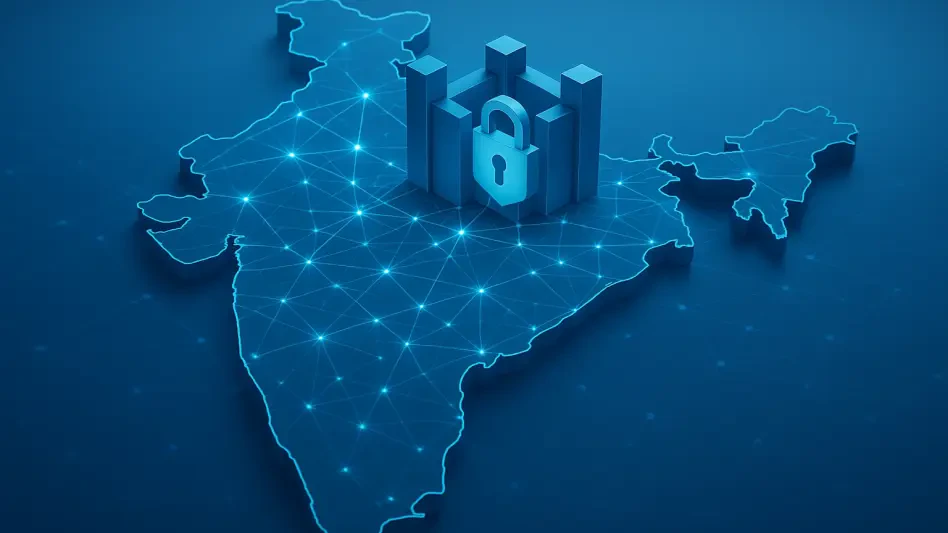
To address this persistent threat, the Indian government has prioritized the development of robust defensive infrastructures like the Indian Cyber Crime Coordination Centre. This specialized unit, alongside the Citizen Financial Cyber Fraud Reporting and Management System, has pioneered real-time intervention strategies that have successfully blocked over ₹8,031 crore in fraudulent transfers. Furthermore, the collaboration between the Department of Telecommunications and banking regulators has led to the disconnection of more than 30 million suspicious mobile lines, severing the communication channels used by scammers. On the private side, the banking sector has undergone a massive technological overhaul, with 80% of institutions now utilizing artificial intelligence and machine learning to monitor transaction patterns. These AI-driven systems are capable of identifying behavioral anomalies that signal a fraudulent attempt, allowing fintech platforms to freeze suspicious activity before any loss occurs.
This defensive posture is further bolstered by the integration of behavioral analytics and biometric verification protocols across major digital wallets. By analyzing typical spending habits and geographic patterns, financial institutions can now deploy automated challenges when a transaction deviates significantly from the norm. However, the effectiveness of these technological barriers depends heavily on the speed of reporting. The current focus is on reducing the response time to under ten minutes, as this window is critical for halting the movement of funds before they are layered through multiple mule accounts. Additionally, regional cyber cells are being equipped with specialized forensic tools to decode encrypted communication used by criminal networks. These institutional efforts represent a significant investment in national security, aiming to create a financial environment where the cost of committing cybercrime outweighs the potential rewards for the perpetrators, thereby deterring future attacks.
The Crisis of Indiscriminate Account Freezes
Economic Paralysis: The Plight of the Business Sector
While the intent behind aggressive law enforcement is to protect the financial ecosystem, the implementation of blanket account freezes has created a new set of economic challenges. Currently, an estimated ₹12,000 crore remains immobilized in frozen bank accounts across the country, much of it belonging to innocent entities caught in a wide net of suspicion. This practice of locking an entire account due to a single tainted transaction has caused significant operational paralysis for many of the nation’s 6.4 crore Micro, Small, and Medium Enterprises. These businesses rely on consistent cash flow to manage daily expenses, settle debts with suppliers, and pay employee salaries. When a primary business account is suddenly frozen without prior notice, the resulting financial stagnation can lead to permanent closure or severe credit damage. This heavy-handed administrative approach is increasingly viewed as a disproportionate response that ignores the operational realities of modern commerce.
The collateral damage of these freezes extends beyond individual businesses, affecting the broader supply chain and eroding trust in the digital banking system. Suppliers who do not receive payments on time are forced to halt deliveries, leading to a ripple effect that slows down economic productivity in various sectors. For a small entrepreneur, the bureaucratic hurdles involved in proving the legitimacy of their funds can take several months, during which they have no access to their capital. This creates a state of financial exclusion that contradicts the national goal of fostering a vibrant and inclusive digital economy. Critics argue that the current system places the burden of proof on the victim, effectively treating legitimate business owners as suspects until they can navigate the complex legal maze of unfreezing their assets. This situation has sparked a debate on the necessity of balancing law enforcement powers with the fundamental right to carry on a trade or profession.
Judicial Oversight: Moving Toward Proportionality
The judiciary has stepped in to curb these administrative excesses, with High Courts in Delhi and Allahabad leading the charge for regulatory reform. Recent legal precedents have established that investigative agencies do not have the unbridled authority to freeze an entire account when only a specific portion of the balance is under dispute. Instead, the courts have mandated a move toward placing a lien only on the contested amount, thereby allowing the account holder to continue legitimate operations with the remaining funds. Furthermore, the legal system now requires that law enforcement agencies obtain specific magistrate authorization for long-term freezes and provide timely notification to the affected parties. These rulings represent a critical shift toward proportionality, ensuring that the fight against cybercrime does not inadvertently violate the constitutional rights of legitimate citizens. The Supreme Court is now involved in refining these guidelines to create a balanced framework for all states.
The transition toward a secure digital future was facilitated by these judicial interventions, which recognized the need for a more nuanced approach to financial policing. Actionable steps included the mandatory implementation of automated notification systems that informed account holders of the specific reasons and transaction IDs associated with a freeze. Authorities recognized that strengthening international law enforcement treaties was essential to pursue the root sources of fraud located beyond domestic borders, rather than merely penalizing the final domestic point of contact. Enhanced digital literacy programs for the broader population were also recognized as a primary defense against the psychological tactics used by syndicates. By prioritizing targeted enforcement over broad administrative actions, the financial ecosystem became more resilient without compromising the economic freedom of its participants. Ultimately, the resolution of the crisis was achieved by ensuring that the protection of the financial system did not come at the cost of the very businesses it served.