The rapid evolution of generative artificial intelligence and the ubiquitous nature of digital payment interfaces have fundamentally altered the landscape of financial cybercrime in recent years. While traditional phishing attempts often relied on poorly drafted emails and obvious grammatical errors, the current wave of sophisticated fraud utilizes hyper-realistic voice cloning and physical tampering with public infrastructure. This shift represents a move toward psychological engineering, where scammers exploit the inherent trust people place in familiar tools like QR codes and the authoritative tone of a bank representative’s voice. As these technologies become more accessible to malicious actors, the boundary between legitimate communication and fraudulent manipulation continues to blur, requiring a more vigilant approach to personal security. Understanding the mechanics of these modern threats is no longer optional for the average consumer; it is a vital necessity for protecting one’s financial integrity in an increasingly automated world.
1. Key Indicators: Identifying Subtle Warning Signs
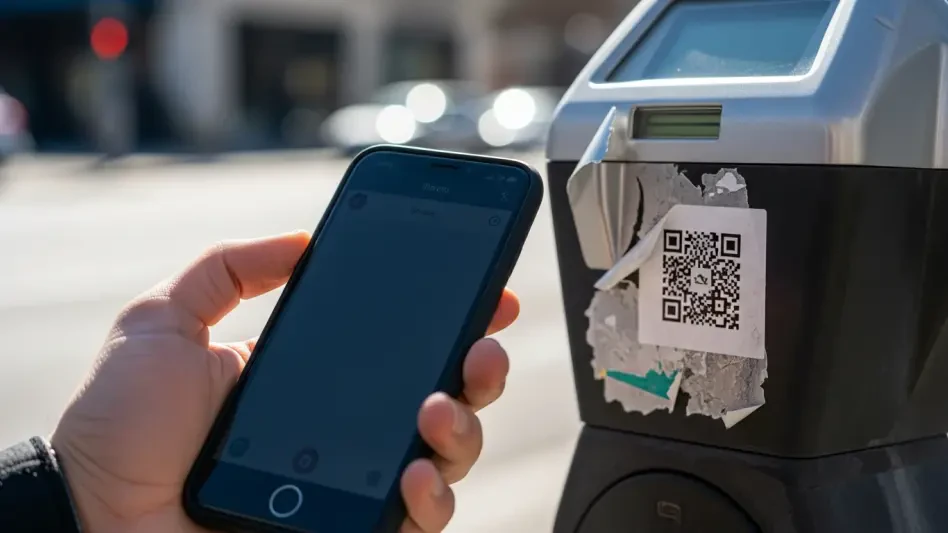
Modern credit card fraud frequently manifests through deceptive physical markers and digital misdirection that can bypass standard security filters. One of the most prevalent indicators is the presence of QR codes displayed on adhesive labels rather than being integrated into the original printed signage. These stickers are often layered over legitimate codes at parking meters or public kiosks, redirecting users to fraudulent payment portals that mimic the appearance of official municipal services. Furthermore, any payment hyperlink that directs a user to an unrecognized or strange web address should be treated with immediate skepticism. These domains often use minor misspellings of popular brands or include unnecessary subdirectories to create a false sense of legitimacy. Observing these physical and digital inconsistencies is the first line of defense against organized quishing campaigns that rely on the speed of public transactions to catch users off guard.
The psychological component of a scam is often more effective than the technical one, specifically through the use of manufactured urgency and high-pressure tactics. Phone calls that insist on instant action to avoid an account lockout or those that solicit full credit card digits and temporary security codes are hallmarks of a sophisticated attack. Legitimate financial institutions rarely demand sensitive data over an unsolicited call, yet scammers use intense coaxing to move individuals toward a decision before they can check the facts. This artificial pressure is designed to trigger a fight-or-flight response, clouding the victim’s rational judgment and making them more likely to bypass their own safety protocols. Whenever an interaction feels unnecessarily hurried or demands that you ignore standard verification procedures, it is almost certainly a fraudulent attempt to gain control over your financial assets or personal information.
2. Common Scenarios: Where Quishing Often Occurs
The prevalence of QR codes in everyday life has created a broad surface area for “quishing” attacks, which are essentially phishing attempts delivered via scanned symbols. A frequent scenario involves an adhesive QR tag pasted over the original instructions on a parking station or a municipal meter. Drivers in a hurry are likely to scan the code to pay for their spot, unknowingly sending their credit card information to a criminal database instead of the city’s payment processor. Similarly, dining table cards in busy restaurants are vulnerable to tampering; a fraudulent tag can send a diner to a fake portal that looks like the restaurant’s official menu and checkout system. These real-world placements are effective because they leverage the context of a legitimate transaction, making the user feel safe while they are engaging with a malicious link in an environment that feels familiar and secure.
Beyond public utility and dining spaces, scammers are increasingly using public notices and direct mail to distribute malicious codes. An event sign at a local festival or community gathering might promise a “quick checkout” or “exclusive discount” via a QR link, capitalizing on the festive atmosphere where people are less likely to be on high alert. Furthermore, the arrival of a physical letter at one’s home featuring a code for “account confirmation” or “reward redemption” adds an element of perceived physical legitimacy to the fraud. Because the letter was delivered through the postal service, recipients often assume the sender is a verified entity. These letters are crafted to look like official correspondence from major banks or utility providers, but the QR code leads directly to a credential-harvesting site designed to capture login details and card numbers for immediate unauthorized use.
3. Technical Red Flags: Evaluating QR Code Integrity
Detecting a fraudulent QR code requires a combination of physical inspection and digital awareness before completing any transaction. On a physical level, users should look for labels that have been stuck directly over printed graphics or integrated signage, as this is a primary method for replacing legitimate codes with malicious ones. Codes that look crooked, have air bubbles underneath them, or appear to have been recently added to an aged sign are significant red flags that suggest tampering. In many cases, the original, legitimate code might still be visible beneath the edge of the sticker. Checking the surrounding context of the code is equally important; if the signage lacks professional branding or if the material of the QR code differs significantly from the rest of the display, the risk of fraud is high. These tactile cues provide a simple yet effective way to verify the authenticity of a physical payment point.
Once a code is scanned, the digital behavior of the landing page provides further evidence of its legitimacy or lack thereof. Web links that do not align with the company’s official website address or those that use a series of redirects should be viewed with extreme caution. A major red flag occurs when the mobile browser prompts for complete credit card digits, CVV codes, or Social Security information immediately upon landing on the page. Furthermore, checkout screens that do not use a secure “https” protocol—indicated by the absence of a padlock icon in the address bar—are inherently unsafe for transmitting financial data. Modern mobile browsers often provide a preview of the URL before navigating to the site; users should take a moment to read this address carefully to ensure it matches the expected service provider. If the interface looks cluttered or uses low-resolution logos, it is safer to close the tab.
4. Voice Fraud: Detecting AI-Generated Bank Impersonations
Deepfake audio technology has allowed scammers to move beyond simple robocalls into highly convincing, interactive impersonations of bank personnel. These calls often begin with pressuring threats about freezing your assets or closing your account due to alleged suspicious activity. The voice on the other end might sound indistinguishable from a human representative, complete with background office noise and a professional cadence. However, the request for your complete credit card info or banking login credentials is a definitive sign of fraud. Real financial institutions have internal access to your account details and would never ask for your full password or card number over the phone. These attackers rely on the authority of their voice to bypass your suspicion, using the deepfake technology to build a rapport that feels genuine and urgent, eventually leading to a request for sensitive data.
A particularly dangerous tactic in modern voice fraud involves coercing the victim to reveal a one-time security code sent to their mobile device. This code is often the final barrier preventing a scammer from logging into your account or authorizing a large transaction. The caller may claim they sent the code to “verify your identity” or to “cancel the fraudulent charge,” but in reality, they are using the code you provide to bypass multi-factor authentication. Moreover, orders to shift funds to a “secure” temporary account are a hallmark of advanced social engineering. Scammers will often discourage you from hanging up and calling the bank back on your own, claiming that the “case window” will close or that the funds will be lost permanently if you disconnect. This insistence on maintaining the connection is designed to prevent you from calling the official number on the back of your card, which would immediately expose the deception.
5. Response Protocol: Immediate Actions Following Suspicion
If there is any suspicion that a fraudulent QR code was scanned or a malicious caller was engaged, the first step is to reach out to the customer service number found on the reverse side of your credit card. Using this specific number ensures that you are speaking with a verified representative of your financial institution rather than a spoofed line. Once connected, use your banking software to disable or suspend your card immediately to prevent any further unauthorized transactions from being processed. This “freeze” feature is now a standard component of most mobile banking apps and provides an instant barrier against theft. During the call with your bank, check your account history for any unapproved spending, even for very small amounts, as scammers often run “test charges” before attempting larger purchases. Vigilance in this initial window is critical for minimizing the potential impact of the breach.
Following the initial contact with the bank, it is necessary to contest any questionable transactions right away and update your digital banking login credentials. Changing your password and updating your security questions can prevent scammers from regaining access using the information they may have already harvested. Additionally, you should notify one of the three major credit bureaus to set up a fraud warning on your file. This alert requires creditors to take extra steps to verify your identity before opening new accounts in your name, providing a layer of protection that extends beyond the immediate credit card issue. Finally, keep a close eye on your credit history for any new, unauthorized files over the coming months. Consistently monitoring your financial reports allows you to catch identity theft early, ensuring that your long-term credit health remains intact despite the initial encounter with fraudulent activity.
6. Proactive Habits: A Modern Prevention Checklist
Developing a set of proactive digital habits is the most effective way to stay ahead of evolving credit card scams in a tech-heavy environment. One of the simplest measures is to turn on instant notifications for all account activity through your bank’s mobile application. These real-time alerts ensure that you are notified the moment a charge is made, allowing for immediate intervention if a transaction was not authorized by you. Furthermore, you should rely on the bank’s dedicated app rather than scanning codes in public whenever a mobile payment option is required. Most major service providers, including parking and transit systems, have their own applications that provide a much more secure environment than a browser-based landing page. By circumventing the need to scan physical codes, you eliminate the primary vector for quishing attacks and ensure your data remains within a closed, encrypted system.
Maintaining communication hygiene is another vital part of a modern defense strategy against sophisticated voice and data fraud. It is highly recommended to refrain from typing in payment info after using a public QR code and instead navigate manually to the official website of the vendor. Additionally, you should refuse to give out temporary passcodes to anyone on the phone, as these are meant for your eyes only. A useful rule of thumb is to allow calls from unrecognized numbers to go to your answering machine; if the call is legitimate, the representative will leave a message and a case number that you can verify by calling the bank back through their official channels. Finally, regularly update your mobile device and financial software to ensure you have the latest security patches. These updates often include definitions for known malicious URLs and improved detection for AI-generated spam, providing an automated layer of security.
Future-Proofing Financial Security Strategies
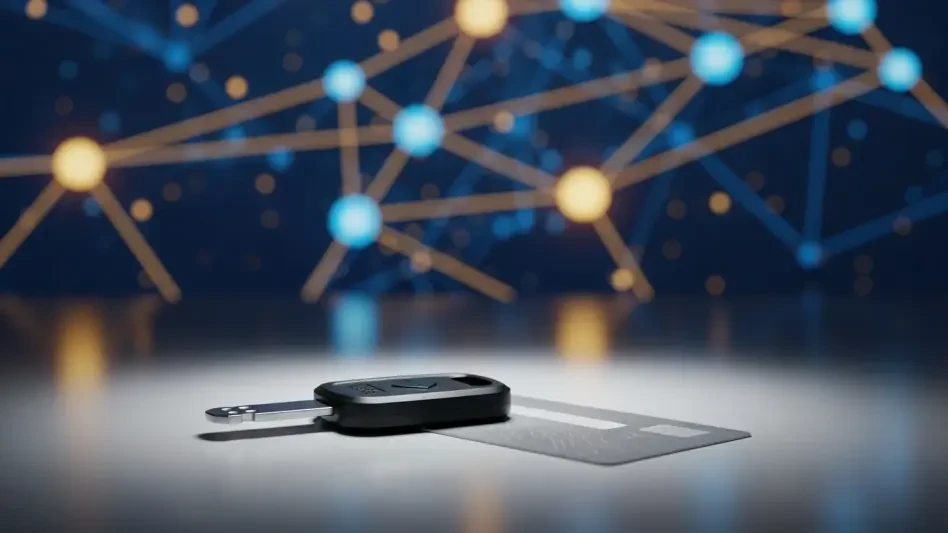
The rise of AI-driven voice cloning and sophisticated quishing schemes necessitated a more proactive approach to personal data management during the recent period of technological expansion. Consumers who prioritized the use of official banking applications over public payment interfaces successfully mitigated much of the risk associated with tampered infrastructure. By implementing multi-factor authentication that did not solely rely on SMS codes—such as biometric keys or hardware tokens—individuals created more robust barriers against credential harvesting. These steps, combined with the habit of verifying every unsolicited communication through a trusted secondary source, established a resilient defense against the psychological manipulation inherent in modern fraud. Moving forward, the most effective strategy involved treating every digital interaction with a degree of healthy skepticism and utilizing the advanced security features provided by modern financial institutions to ensure total control over one’s digital footprint.