The simple act of clearing a notification tray during a morning commute has transformed into a high-stakes encounter with digital predators waiting for a single misplaced click. Every morning, millions of professionals process their inbox alerts with mechanical efficiency, often engaging with “View Message” prompts before their first cup of coffee. This ingrained digital habit is exactly what cybercriminals are banking on as they deploy increasingly sophisticated phishing lures designed to turn routine networking into a total security failure.
The Invisible Hook in Your Morning Inbox
While most users expect a legitimate networking opportunity or a recruiter’s inquiry, a new wave of platform-specific alerts is weaponizing professional curiosity. These attacks do not arrive as clumsy, generic spam; instead, they manifest as polished, automated notifications that mirror the exact visual language of the platforms we trust. By the time a user realizes the login page was a facade, their professional identity has already been harvested and sold.
The danger lies in the seamless integration of these fakes into the workflow of a modern office. When an alert arrives claiming a high-value prospect wants to connect, the psychological impulse to respond outweighs the instinct to verify. This vulnerability is not a technical flaw in the software but a calculated exploit of human behavior, where the urgency of business growth serves as the perfect camouflage for credential theft.
Why Professional Platforms Are the New Frontline for Credential Theft
LinkedIn is no longer viewed by hackers as just a digital resume repository; it has become a goldmine of corporate intelligence and high-value access points. As traditional email filters become more adept at intercepting legacy scams, attackers have pivoted toward platform spoofing to bypass mental defenses. By mimicking a trusted professional ecosystem, they exploit the inherent credibility of a major global brand to slip past the skepticism that usually greets unsolicited emails.
This shift reflects a broader trend where social engineering has become significantly more effective than attempting to breach hardened technical firewalls. Threat actors recognize that a single set of stolen credentials can provide a “living off the land” advantage, allowing them to move laterally through corporate networks using a legitimate employee’s profile. Consequently, the professional identity has become the most sought-after currency in the underground data economy.
Anatomy of the Urgent Message Deception
The core of this hijacking strategy is the creation of artificial pressure through the psychology of manufactured urgency. Attackers craft messages regarding lucrative business opportunities or urgent inquiries from reputable firms to trigger a dopamine-heavy response. By framing the alert as a time-sensitive professional gain, the attacker effectively bypasses the victim’s critical thinking, making them far more likely to click through a link without performing a standard security scrutiny.
Beyond the psychological bait, the visual execution of these emails has reached a state of near-perfection. Modern campaigns utilize a meticulous replication of official typography, color palettes, and layout structures. This makes the traditional visual “gut check” almost impossible for the average user. Furthermore, attackers utilize typosquatting, registering domains like “inedin.digital” that look identical to the real URL during a quick glance. The missing “l” or an unusual domain suffix often goes unnoticed by a busy professional.
Insights from the Cybersecurity Frontline
Detailed research into recent campaigns reveals a highly calculated approach to targeting specific demographics. Many initial alerts identified in 2026 were composed in specific languages like Chinese, suggesting a strategic focus on international trade professionals or regional industrial hubs. This indicates that attackers are no longer just casting a wide net; they are tailoring their baits to specific industries to increase the conversion rates of their fraudulent portals.
Cybersecurity experts have also identified a pattern of infrastructure persistence designed to keep these scams active. By utilizing specific IP addresses and setting up disposable domains shortly before a campaign launch, threat actors create a flexible network that is difficult to blacklist. Once the credentials are stolen, these actors gain unrestricted access to private communications, allowing the scam to propagate through “trusted” internal messages sent from the hijacked account to the victim’s entire network.
Defending Your Digital Identity Against Spoofed Alerts
The most effective defense against these sophisticated deceptions begins with a rigorous policy of sender verification. Users should always expand the sender information to view the actual email address hiding behind the display name. If a notification supposedly from a professional platform originates from a random domain like “khanieteam.com,” it is a definitive sign of a malicious attempt. A “hover-before-you-click” framework is equally essential, as it reveals the true destination of a link before the browser ever opens it.
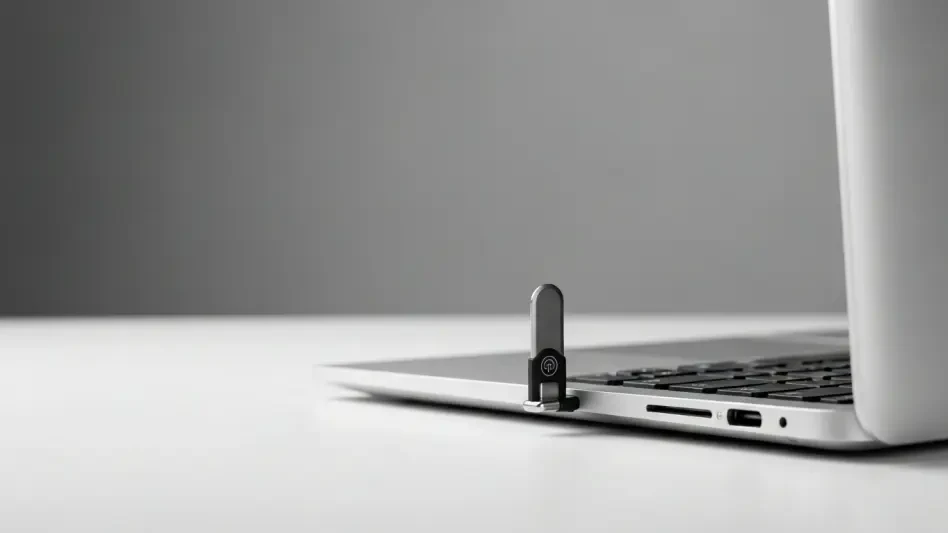
In an era of polished social engineering, maintaining a posture of technical skepticism is the only way to remain secure. Rather than clicking links in emails, professionals should adopt the habit of verifying alerts directly through official mobile apps or by typing the URL manually into a browser. Moving forward, companies should consider implementing hardware-based security keys and mandatory multi-factor authentication to ensure that even if a password is stolen, the account remains inaccessible to unauthorized entities. Vigilance transformed from a passive suggestion into a mandatory professional skill.