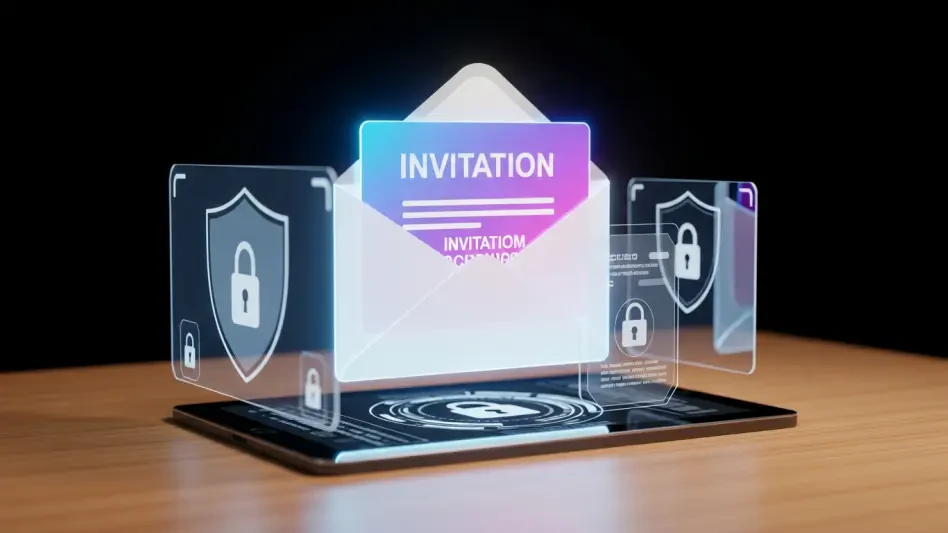
The sudden vibration of a smartphone often signals a festive update to a social calendar, yet that innocent “You’re Invited” notification might actually be a digital Trojan horse designed to dismantle personal security. As digital platforms like Evite and Paperless Post become the standard for organizing everything from birthday parties to corporate mixers, cybercriminals have recognized a golden opportunity to exploit social norms. The Federal Trade Commission (FTC) recently highlighted a surging trend where these digital invitations serve as sophisticated frontends for credential harvesting and identity theft.
The RSVP Trap: Why Your Next Party Invite Might Be a Cyberattack
When a message arrives appearing to be from a friend or a popular event service, the psychological impulse to click is nearly irresistible. This interaction relies on the inherent trust individuals place in their social circles, making it a high-conversion tactic for malicious actors. Instead of searching for technical vulnerabilities in a firewall, attackers simply ask the user to open the door voluntarily under the guise of an upcoming celebration.
Modern life demands constant connectivity, and the pressure to respond quickly to social obligations creates a sense of urgency. This urgency often bypasses the analytical part of the brain that might otherwise notice a slightly misspelled domain name or an unusual sender address. Consequently, a single tap to view an itinerary can trigger a cascade of events leading to total account compromise.
The Evolution of Social Engineering in Digital Correspondence
Phishing tactics have transitioned away from the easily detectable, poorly written emails of previous decades toward highly polished, brand-accurate replicas. These contemporary scams leverage the visual identity of established companies, utilizing their logos, fonts, and color schemes to create a seamless illusion of legitimacy. This evolution reflects a broader shift in cybercrime toward social engineering, where the human element is the primary target.
By exploiting the fear of missing out and the desire for social inclusion, scammers create a high-stakes environment for the recipient. The transition from generic spam to personalized, context-aware invitations makes these threats particularly dangerous for the average consumer. This sophisticated approach ensures that even tech-savvy individuals may occasionally find themselves questioning the authenticity of a legitimate message versus a fraudulent one.
Anatomizing the Scam: How Fraudulent Invitations Manipulate Users
The mechanics of a digital invitation scam involve a multi-layered process that begins with a lure of familiarity. Most fraudulent invitations appear to come from a contact within the victim’s own address book or use a name that sounds plausibly connected to their social sphere. Once the link is clicked, the user is typically redirected to a spoofed login page that looks identical to their email provider’s interface.
Credential harvesting occurs the moment the user enters their email password or phone number into the deceptive form. Some advanced variations even include a secondary prompt for a multi-factor authentication code, effectively tricking the user into handing over the key to their hardened security. Once access is gained, the scammer begins a propagation cycle, using the compromised account to send the same fake invite to every contact on the list.
Expert Insights into the FTC’s Critical Security Warning
Federal authorities classified these invitation-based attacks as a significant threat due to their self-sustaining nature and high success rate. The FTC warned that the primary objective often extends beyond simple data theft to gaining full control over an entire email ecosystem. An email account is frequently the master key to financial statements, cloud storage, and password reset functions for dozens of other services.
Security experts noted that standard spam filters struggle to intercept these messages because they often originate from legitimate, though compromised, accounts. This means the digital invitation appears “clean” to automated defenses, shifting the responsibility of detection entirely onto the recipient. The warning emphasized that the deceptive simplicity of the RSVP request is precisely what makes it such a potent tool for identity fraud.
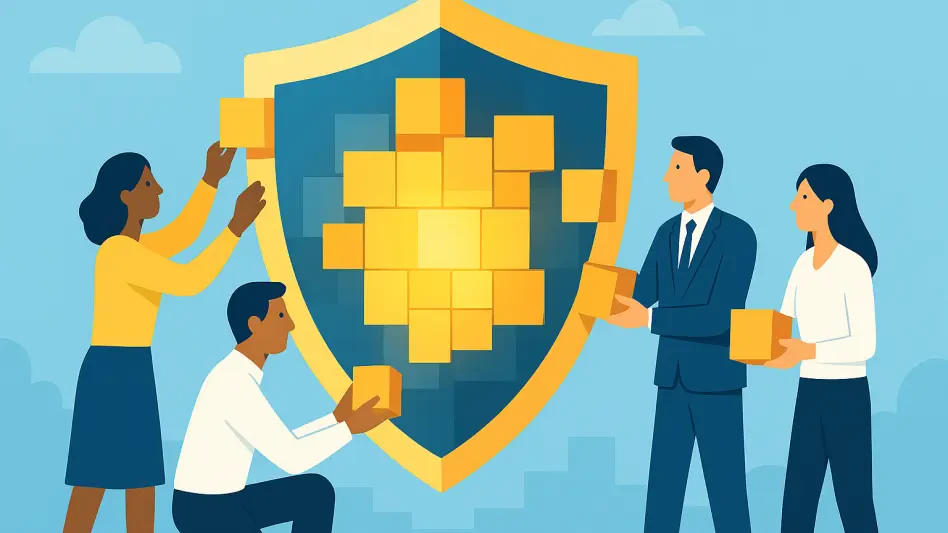
Proactive Defense Strategies to Shield Your Personal Data
Protecting personal information required a disciplined approach to digital correspondence and the implementation of robust technical safeguards. Users who adopted the out-of-band verification rule significantly reduced their risk by confirming suspicious invites through separate text messages or phone calls before interacting with any links. Automated security updates played a crucial role in patching the vulnerabilities that phishers sought to exploit.
Fortifying accounts with multi-factor authentication emerged as the most effective secondary defense, as it ensured a stolen password remained useless without physical access to a secondary device. When compromises were suspected, individuals acted quickly by resetting their passphrases and consulting resources like IdentityTheft.gov for comprehensive recovery steps. Reporting fraudulent activity to the Anti-Phishing Working Group provided authorities with the data needed to dismantle these networks.