The quiet hum of a server farm somewhere on the other side of the world is the only sound accompanying the automated theft of your entire digital identity, a process initiated by something as trivial as a predictable password. In an age of sophisticated cyber warfare and state-sponsored hacking, the greatest threat to personal security often comes not from a brilliant, targeted attack but from a simple, overlooked vulnerability. Cybercriminals are, at their core, opportunists who favor the path of least resistance. They understand that the easiest way into a locked system is not to break down the door but to find the key left under the mat. This digital key is frequently a weak, reused password, a concession to convenience that leaves the door to one’s financial and personal life wide open. As our lives become increasingly intertwined with online services, the reliance on easily remembered credentials like “123456” or “password” transforms a minor shortcut into a catastrophic security failure, setting the stage for a devastating cascade of consequences that can unfold in minutes.
The Anatomy of a Digital Breach
The persistent use of weak passwords stems from a fundamental conflict between human psychology and digital necessity. With the average person managing dozens of online accounts, the temptation to create simple, memorable, or reused passwords is overwhelming. However, this convenience is precisely what cybercriminals count on. They deploy sophisticated, automated software capable of executing “brute-force” attacks, which systematically test millions of common password combinations per second. A password like “12345678” is not just weak; it is functionally useless, often cracked in less than a second. Once this first line of defense falls, the true damage begins. A single compromised password can act as a skeleton key if it has been reused across multiple platforms. What starts as a breach of a low-stakes social media account can quickly escalate as criminals test the same credentials against more critical targets, such as primary email addresses and online banking portals, turning a single oversight into a widespread security event.
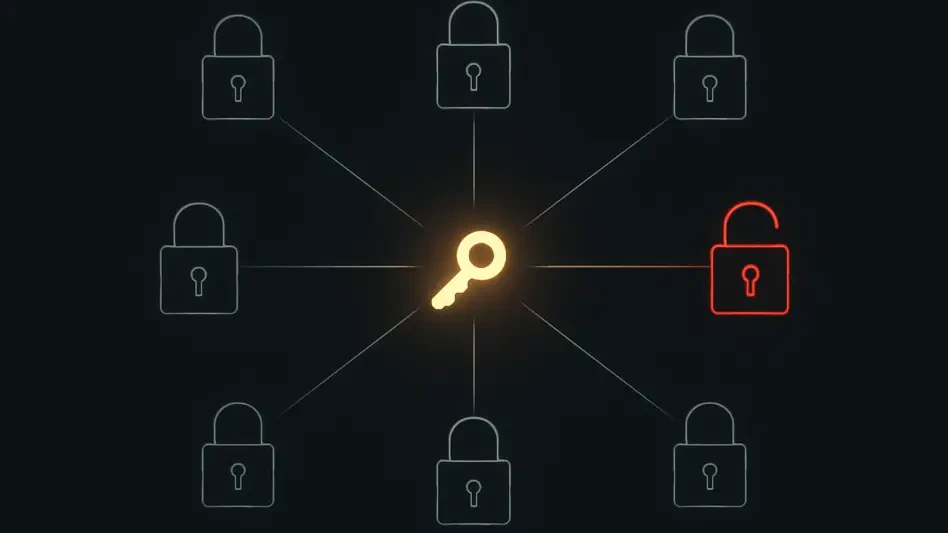
The true danger of a compromised password lies in the domino effect it triggers across an individual’s interconnected digital life. An email account is often the central hub, linked to countless other services. Once criminals gain access to it, they hold the master key. They can systematically visit other websites—from financial institutions to e-commerce platforms—and use the “forgot password” feature to reset credentials and lock the legitimate owner out. This swift takeover grants them access to stored credit card information, personal documents, private messages, and sensitive contacts. This information is then weaponized for identity theft, used to apply for loans, open new lines of credit, or sold on the dark web. The victim is left to deal with the fallout, a complex and often devastating process of reclaiming their identity, disputing fraudulent charges, and repairing a reputation that was dismantled through a single, weak point of entry.
The Modern Landscape of Cyber Scams
Poor password security creates the perfect entry point for a wide array of prevalent and increasingly sophisticated scams. The most common of these are online purchase scams, where criminals set up fake websites or post fraudulent ads for non-existent products, luring in victims with attractive prices. Once payment and personal information are submitted, the goods never arrive, and the data is stolen. Beyond retail fraud, the landscape is rife with deceptive financial schemes, particularly those related to cryptocurrency and high-yield investments that promise unrealistic returns. These scams prey on the desire for quick wealth, drawing victims into elaborate platforms that simulate profits before vanishing with the invested funds. Other common tactics include fraudulent employment offers that require applicants to pay for background checks or equipment, as well as home improvement scams where contractors demand upfront payment and then disappear without completing the work, exploiting basic needs and aspirations.
Further compounding the threat are scams that rely on social engineering and psychological manipulation to bypass technical defenses entirely. Tech support impersonators, for instance, create a sense of panic by claiming a computer is infected with a virus, convincing victims to grant remote access or pay for bogus repair services. Similarly, criminals may pose as government officials offering fake grants or aid, tricking people into providing personal information or paying a “processing fee.” Perhaps the most insidious are emotionally driven tactics like romance scams, where fraudsters build intimate relationships over time before fabricating an emergency to request money. Phishing remains a constant threat, using deceptive emails and text messages to harvest login credentials, while identity theft and counterfeit sweepstakes continue to ensnare the unwary. These methods highlight that the modern cybercriminal often hacks the human mind before ever touching a line of code.
Fortifying Your Digital Defenses
The most effective defense against the majority of cyber threats is a proactive and disciplined approach to personal security, beginning with the foundation of it all: the password. A strong password is characterized by length and complexity. Security experts recommend a minimum of 12 characters that include a mix of uppercase and lowercase letters, numbers, and symbols. This complexity exponentially increases the time and computational power required for brute-force software to crack it, moving it from seconds to potentially centuries. Equally critical is the principle of uniqueness. Using a different, strong password for every online account is a vital security measure. This practice, known as compartmentalization, ensures that if one account is ever compromised, the breach is contained and does not create a domino effect that exposes an individual’s entire digital footprint. The primary email and online banking accounts, in particular, demand the highest level of protection with unique and robust credentials.
Ultimately, establishing a resilient digital fortress did not require becoming a cybersecurity expert overnight. The most crucial change involved shifting from a reactive posture of convenience to a proactive mindset centered on deliberate security habits. This “digital reset” was best facilitated by adopting modern tools designed to manage the complexity of robust security practices. Password managers, for example, proved to be an indispensable solution. These encrypted applications generate and store long, complex, unique passwords for every account, requiring the user to remember only one master password. By automating the creation and recall of strong credentials, these tools eliminated the human temptation to use weak or reused passwords, effectively closing the most common entry point for cybercriminals. The path to security was paved not with anxiety, but with the consistent application of these fundamental and highly effective strategies.