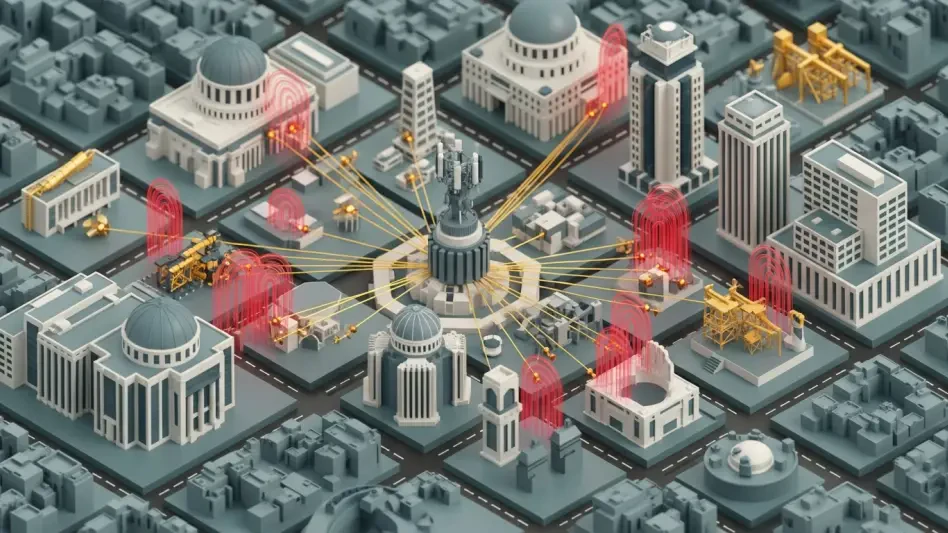

A troubling paradox emerged from the healthcare sector’s cybersecurity landscape last year, where the number of security breaches alarmingly doubled while the volume of compromised patient records simultaneously plummeted. This counterintuitive trend signals a dangerous evolution in the motives of cybercriminals, one that prioritizes the paralysis of hospital operations over the mass theft of personal data. This analysis of a recent report from Fortified Health Security delves into this strategic pivot, addressing the central question of why healthcare remains a uniquely vulnerable target. The findings reveal a sector grappling not only with sophisticated external threats but also with critical internal weaknesses that place patient care in direct peril.
The Evolving Threat: A Strategic Shift from Data Theft to Operational Disruption
The analysis of Fortified Health Security’s latest report reveals a fundamental change in the cyberthreats facing healthcare. The long-standing focus on large-scale data heists, which aimed to monetize sensitive patient information on the dark web, has given way to a more insidious strategy. Cybercriminals now increasingly favor attacks designed to create maximum operational chaos. This tactical shift is significant because it directly targets the core function of a healthcare organization: delivering patient care.
By crippling essential systems—from electronic health records to medical imaging and scheduling software—attackers can bring a hospital to a standstill. This evolution moves the threat from a concern for privacy and financial fraud to an immediate matter of life and death. The goal is no longer just to steal assets but to leverage the critical nature of healthcare services to force rapid and substantial ransom payments, making operational disruption the new, more potent weapon of choice.
The New Reality of ‘Constant Disruption’ and Its Threat to Patient Care
This strategic evolution has ushered in a new era of “constant disruption,” a paradigm that poses a far more acute threat to patient safety than the data breaches of the past. The research is set against a backdrop of relentlessly rising security incidents, but its importance lies in framing this trend not as a series of isolated events but as a sustained campaign of attrition. When hospital operations are halted, the consequences are immediate: surgeries are postponed, diagnoses are delayed, and emergency rooms are forced to divert ambulances.
This new reality transforms cybersecurity from an IT department issue into a frontline clinical crisis. The direct line between a ransomware attack and a negative patient outcome is now clearer than ever. Unlike a data breach, where the harm can be delayed and financial, operational disruption has an immediate physical impact, fundamentally altering the risk calculus for healthcare providers and demanding a reevaluation of their defensive priorities.
Research Methodology, Findings, and Implications
Methodology
This summary is based on the findings of the 2025 Fortified Health Security report, which provides a comprehensive view of the industry’s security posture. The report’s methodology involved a multi-faceted analysis of security incident data from the preceding year. It synthesized statistical trends in security breaches and the volume of exposed records, correlating this quantitative data with qualitative insights from survey responses. These surveys captured the perspectives of healthcare leaders on their organization’s cybersecurity confidence, practices, and key challenges.
Findings
The report’s most striking finding was the inverse relationship between the frequency of attacks and the amount of data stolen; security breaches doubled in 2025, yet the number of exposed patient records saw a sharp decline. This data strongly supports the conclusion that attackers are prioritizing operational paralysis over data exfiltration. The primary vectors for these disruptive incidents were identified as ransomware attacks and vulnerabilities originating from third-party vendors, highlighting the interconnected and fragile nature of the healthcare technology ecosystem.
Compounding these external threats is a profound crisis of confidence within healthcare organizations themselves. The survey data painted a grim picture of self-assessed capabilities, with only 4% of respondents feeling highly confident in their third-party vendor risk assessments. A similarly minuscule 6% expressed high confidence in their ability to execute a swift and effective incident response. This widespread uncertainty underscores a dangerous gap between the perceived level of risk and the actual capacity to manage it. Furthermore, the report pointed to internal vulnerabilities, such as high staff turnover draining institutional knowledge and a pervasive cultural resistance to investing in cybersecurity, which many executives view as taking funds away from direct patient care. A new and rapidly growing threat identified was “shadow AI,” where employees adopt AI tools far faster than organizations can establish policies and oversight, creating unmonitored pathways for data exposure.
Implications
The primary implication of these findings is that healthcare cybersecurity can no longer be framed solely as a data protection issue. It has fundamentally become a matter of patient safety and operational continuity. The tactical shift by cybercriminals forces a corresponding change in defensive strategy. Traditional perimeter defense, focused on keeping intruders out, is insufficient against threats designed to cause internal chaos. The new imperative is to build operational resilience—the ability to withstand and recover from a sustained disruptive attack while maintaining essential patient care functions.
Moreover, the staggering lack of confidence reported by healthcare leaders signals a systemic vulnerability. This gap between acknowledged risk and the ability to mitigate it is not just an issue for individual hospitals but a threat to the stability of the entire healthcare sector. It suggests that many organizations are operating with a false sense of security, unprepared for the reality of modern cyber warfare and its devastating potential to compromise patient outcomes.
Reflection and Future Directions
Reflection
The report’s findings clearly reflected the immense pressure healthcare organizations face. They are caught in a difficult balancing act, forced to weigh investments in cybersecurity against the immediate and tangible needs of patient care. This is often perceived as a zero-sum game, where every dollar spent on security is seen as a dollar not spent at the bedside, leading to chronic underinvestment in essential defenses. This cultural mindset creates a fertile ground for cyberattacks to succeed.
A key challenge identified was the continuous erosion of institutional knowledge. The healthcare industry suffers from high rates of staff turnover, and when experienced IT and security personnel leave, they take their deep understanding of the organization’s complex systems with them. This loss undermines the effectiveness of security programs, which rely on seasoned professionals to navigate intricate technological landscapes and respond effectively to incidents.
Future Directions
Looking ahead, it is imperative for healthcare organizations to build durable security programs. These programs must be designed to retain institutional knowledge through robust documentation, cross-training, and succession planning, ensuring they can withstand the inevitable changes in personnel. By creating a resilient security framework, organizations can mitigate the risks associated with staff turnover and maintain a consistent defensive posture.
Furthermore, a critical step is to “operationalize lessons learned” from past incidents. Too often, security failures are repeated because the root causes are not fully understood or addressed. Healthcare providers must create formal processes to analyze breaches, identify systemic weaknesses, and implement corrective actions across their complex and often overlapping technology systems. For the emerging threat of “shadow AI,” a proactive stance is necessary. Rather than attempting a futile effort to block the technology, organizations should focus on establishing visibility frameworks to monitor its use, educate staff on safe practices, and develop intelligent governance policies that harness AI’s benefits while managing its risks.
Conclusion: The Urgent Need for a Proactive and Resilient Cybersecurity Posture
The healthcare sector found itself at a critical juncture, confronted by an evolved threat meticulously designed to cripple its core operations. The convergence of sophisticated external attacks with profound internal weaknesses—ranging from a debilitating lack of confidence to deep-seated cultural resistance—created a perfect storm of vulnerability. To safeguard patients and ensure the continuity of care, it became clear that a fundamental pivot was required. Organizations had to move beyond a reactive, incident-driven stance and adopt a proactive strategy that prioritized resilience, knowledge retention, and the intelligent governance of emerging technologies like AI. This shift represented not just a technical upgrade, but a necessary cultural transformation for survival in a new and hostile digital age.