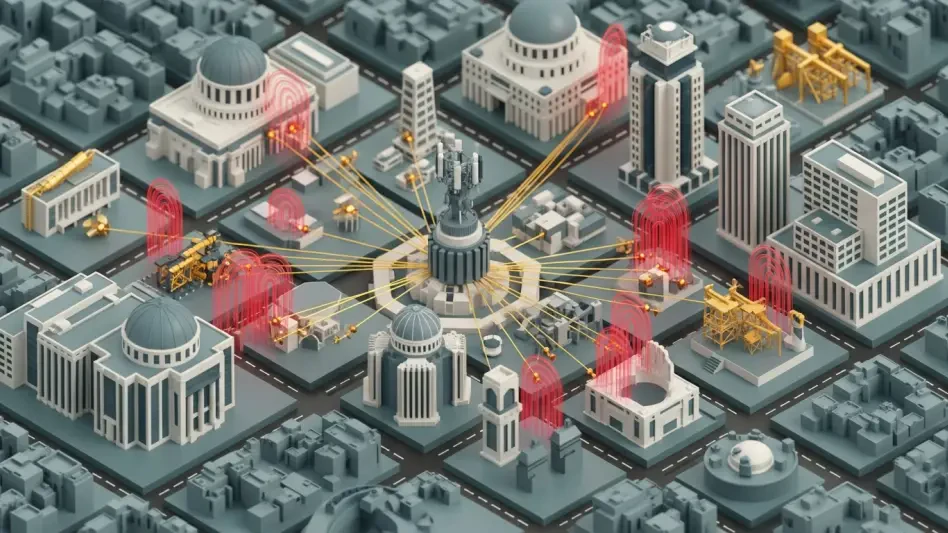
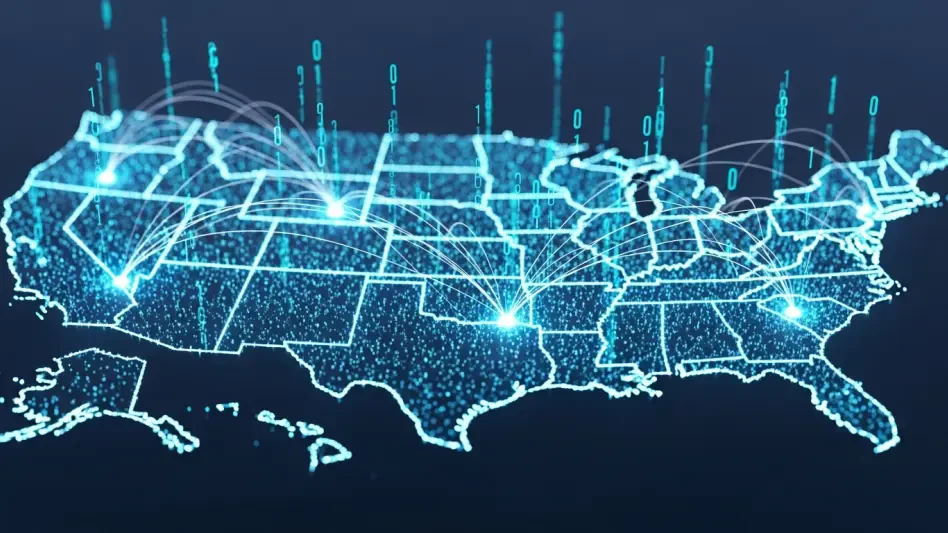
The rapid proliferation of Command and Control infrastructure within the United States has reached an unprecedented scale, with recent data revealing that the nation now hosts more than 21,000 active Mirai-based servers. This development marks a significant departure from historical trends where such malicious activities were concentrated in different geographical regions. The enduring nature of this threat stems from the 2016 source code leak, which enabled a diverse range of actors to create at least 116 distinct branches of the malware. By leveraging the immense density of high-speed internet connections and a vast array of inadequately secured consumer devices, cybercriminals have transformed the American digital landscape into a primary staging ground for large-scale disruptions. This trend underscores a critical failure in the shared responsibility of cybersecurity, where the convenience of connected technology often outweighs the implementation of fundamental security protocols, leaving the door open for botnets to flourish within the borders of the world’s most connected economy.
Evolution of a Digital Plague
Fragmentation and the Malware-as-a-Service Model
The evolution of Mirai has shifted from a singular threat into a decentralized “malware-as-a-service” economy that thrives on platforms like Discord and Telegram. Criminal organizations no longer need deep technical expertise to launch massive Distributed Denial of Service attacks; instead, they can rent access to infected networks for a nominal fee. This commercialization has led to a diversification of the malware, with variants like KimWolf expanding their reach beyond traditional routers to include Android mobile devices and Smart TVs. By 2026, these fractured branches have grown into 21,000 unique samples, each tailored to exploit specific hardware vulnerabilities or bypass modern defensive filters. This modularity allows attackers to pivot quickly when security researchers identify a specific signature, ensuring the botnet’s longevity. The ease of access provided by these underground marketplaces has effectively lowered the barrier to entry for cybercrime, allowing even low-level actors to wield the power of a global infrastructure that was once the exclusive domain of sophisticated state actors.
Furthermore, the resilience of these fractured networks is bolstered by the constant refinement of attack methodologies that utilize randomized packet characteristics to evade traditional detection. When one variant is neutralized by law enforcement or internet service providers, three more often emerge to fill the vacuum, utilizing slightly different encryption or communication protocols. The Aisuru-Kimwolf group, for instance, demonstrated the lethal potential of these refined networks by executing a record-breaking 31.4 Terabit-per-second DDoS attack, proving that the sheer volume of coordinated devices can overwhelm even the most robust enterprise-grade mitigations. This persistent evolution suggests that as long as the underlying source code remains accessible and adaptable, the threat will continue to morph. The shift toward targeting ARC processors in a wider variety of home electronics means that the potential pool of bots is expanding faster than the industry can patch them. Consequently, the fragmented nature of the Mirai ecosystem ensures that there is no single kill switch for these massive botnets.
Vulnerability in the Internet of Things
The fundamental architecture of the Internet of Things remains the primary enabler of Mirai’s success, as millions of devices are shipped with hardcoded credentials and outdated firmware. These devices, ranging from security cameras to smart appliances, are designed for ease of use rather than security, often lacking the processing power to run sophisticated antivirus software. Once a device is connected to a network, it becomes an immediate target for automated scanning tools that identify open ports and attempt to log in using known factory-default passwords. Because many consumers do not view their Smart TV or refrigerator as a potential security risk, these devices remain infected for months or even years without detection. This neglect provides a stable and growing inventory of hardware for botnet operators to recruit into their malicious clusters. The lack of a standardized security certification for consumer electronics has exacerbated this issue, as manufacturers continue to prioritize time-to-market over the implementation of robust defensive features.
Compounding this problem is the reality that many IoT devices have incredibly long lifecycles but very short support windows from their respective manufacturers. A home router purchased today might remain in operation for five to seven years, yet it may only receive security updates for the first two years of its life. This creates a massive “legacy debt” of vulnerable hardware that remains active on the global internet, providing a permanent playground for Mirai variants. Even when patches are released, the responsibility for applying them usually falls on the end-user, who may lack the technical knowledge or inclination to perform regular maintenance. This disconnect between the technical necessity of updates and the user’s experience ensures that botnets always have a steady supply of fresh recruits. As connectivity becomes even more integrated into the household through 2026, the potential for these devices to be weaponized against the very infrastructure they rely on grows exponentially, necessitating a shift in consumer and industrial security standards.
The Shift to American Infrastructure
Exploiting High-Bandwidth Residential Proxies
One of the primary reasons for the migration of botnet controllers to the United States is the prevalence of high-bandwidth residential internet connections which provide the perfect camouflage for malicious traffic. Attackers increasingly utilize residential proxies to route their commands, making it exceedingly difficult for security systems to distinguish between legitimate user activity and botnet instructions. By hiding behind the IP addresses of everyday consumers, these Command and Control servers can operate for extended periods without triggering the automated red flags associated with data center traffic. This tactical shift exploits the trust inherently placed in residential service providers, as most security filters are hesitant to block traffic originating from domestic home networks for fear of disrupting service for innocent users. Moreover, the sheer volume of bandwidth available in American households allows for more rapid and data-intensive attacks, which is essential for maintaining the coordination required for tens of terabits of traffic.
The concentration of these servers in the United States also reflects a sophisticated understanding of legal and technical jurisdictional boundaries by cybercriminal organizations. While the Department of Justice has seen recent successes in dismantling specific networks like JackSkid and Mossad, the decentralized nature of the modern Mirai infrastructure allows it to absorb these losses with minimal disruption to the overall operation. Operators often host their control centers on compromised domestic routers, which are frequently left unpatched by homeowners who are unaware that their devices have been enlisted into a botnet. This reliance on a “living-off-the-land” strategy means that the malicious infrastructure is not just hosted in the US, but is physically embedded within the domestic internet fabric. The geographical proximity to major technology hubs also provides lower latency for certain types of attacks, enhancing the precision and timing of synchronized strikes against high-value targets. This integration into the domestic digital environment poses a unique challenge for national security.
Resilient Command and Control Mechanisms
To counter the efforts of major technology companies and law enforcement agencies, botnet operators have adopted increasingly resilient communication methods that bypass traditional internet protocols. When organizations like Google or Microsoft disrupt centralized infrastructure, groups such as KimWolf often pivot to the Invisible Internet Project (I2P) or other peer-to-peer networking technologies to maintain anonymity. These decentralized networks make it nearly impossible for authorities to locate the physical servers responsible for directing botnet activity. By distributing the control mechanisms across a global web of anonymous nodes, attackers ensure that no single takedown can cripple their entire operation. This move toward encrypted, non-standard communication channels represents a significant escalation in the technical complexity of botnet management. It forces security professionals to adopt more proactive and holistic monitoring strategies that look beyond simple IP blocking to identify the underlying patterns of malicious command traffic.
Beyond technical evasion, the persistence of these networks is maintained through a constant cycle of re-infection and adaptation that exploits the transient nature of home network security. If a specific Command and Control node is identified and blocked, the malware is programmed to seek out new controllers or wait for updated instructions via alternate channels. This behavioral flexibility is a hallmark of the modern Mirai landscape, where the goal is not just to attack, but to survive and expand indefinitely. The use of randomized communication intervals and varying data packet sizes further complicates the task for defenders, as the traffic often mimics the unpredictable nature of modern web applications. This sophisticated approach to infrastructure management has turned Mirai into a permanent fixture of the digital environment. As long as the cost of maintaining these resilient networks remains low and the potential for profit or disruption remains high, the cycle of innovation and exploitation will likely continue, demanding a more unified and aggressive response from both the public and private sectors.
Proactive Defense and Future Considerations
The rise of Mirai botnets as a domestic threat required a paradigm shift in how individual security was perceived and executed across the digital landscape. It became evident that relying solely on large-scale takedowns by federal authorities was insufficient to stem the tide of malicious control centers hosted within the United States. Instead, the focus moved toward proactive defense strategies that prioritized the hardening of the Internet of Things ecosystem. Effective solutions involved the mandatory replacement of factory-default credentials and the implementation of automated firmware update cycles for all consumer electronics. Service providers played a more active role by deploying advanced traffic analysis tools to detect and isolate proxy traffic without infringing on user privacy. These technical measures, combined with broader public education about the risks of unmanaged smart devices, offered the most viable path toward neutralizing the infrastructure. By treating cybersecurity as a collective responsibility rather than an isolated IT problem, stakeholders began to reclaim the integrity of residential networks.