
The modern global maritime industry remains heavily reliant on digital interconnectedness, making the protection of vessels and port infrastructure a critical priority for national security and economic stability. As the marine transportation system integrates more sophisticated automated technologies, the potential for cyber disruptions to halt global trade or cause environmental disasters has grown exponentially. In response to these emerging threats, the United States Coast Guard has finalized a comprehensive set of policy and implementation guidelines designed to modernize the cybersecurity resilience of the nation’s maritime infrastructure. These new standards represent a significant shift from voluntary recommendations toward a mandatory, unified framework that addresses the unique digital vulnerabilities of the shipping sector.
The objective of this article is to explore the key components of the updated Coast Guard cybersecurity regime and answer critical questions regarding compliance and implementation. Readers can expect to learn about the foundational role of risk assessments, the specific responsibilities of designated cybersecurity personnel, and the technical requirements for protecting operational technology. The scope covers U.S.-flagged vessels, maritime facilities, and Outer Continental Shelf operations, providing a detailed roadmap for owners and operators to navigate the complexities of regulatory oversight. By understanding these new expectations, industry stakeholders can ensure their operations are not only compliant but also robust enough to withstand the evolving landscape of digital warfare.
Key Questions or Key Topics Section
Why Is a Comprehensive Cybersecurity Assessment Essential for Modern Maritime Operations?
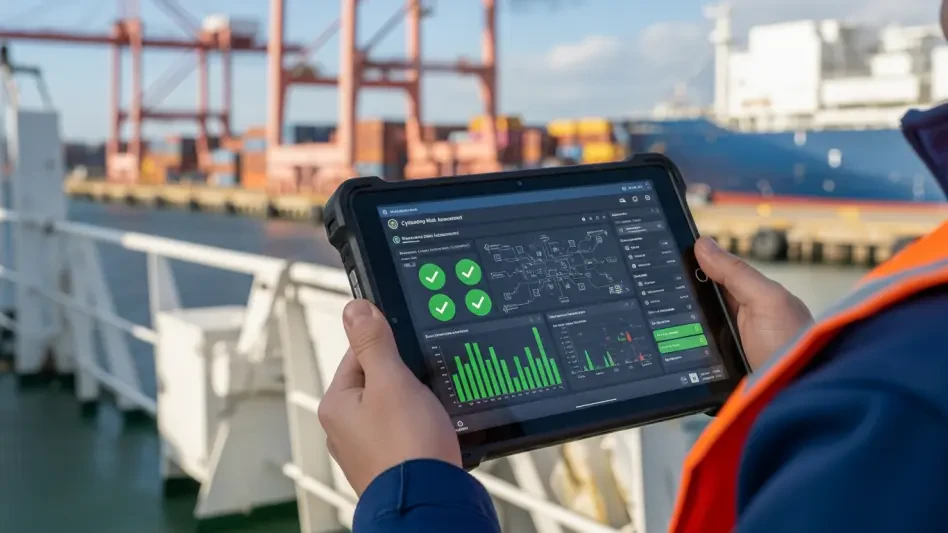
The transition to highly automated maritime systems has introduced a wide array of entry points for malicious actors, necessitating a shift from general security practices to data-driven risk management. A Cybersecurity Assessment serves as the diagnostic phase where an organization identifies its specific digital footprint, including the interdependencies between navigation systems, cargo handling, and administrative networks. Without this preliminary step, operators would likely misallocate resources, leaving critical systems vulnerable while over-securing non-essential assets. This assessment provides the context needed to understand how a single failure in a remote sensor could potentially escalate into a transportation security incident.
To ensure a standardized approach, the Coast Guard requires that these assessments utilize a risk-filtering process aligned with established industry frameworks, such as those provided by the National Institute of Standards and Technology. This method allows organizations to evaluate the likelihood and impact of various threat scenarios, creating a prioritized list of vulnerabilities that must be addressed. By distinguishing between Information Technology and the more sensitive Operational Technology, the assessment ensures that the unique safety requirements of maritime machinery are accounted for. This structured evaluation forms the indispensable foundation upon which all subsequent security planning and resource allocation are built.
What Specific Requirements Define a Compliant Cybersecurity Plan?
Once the initial assessment is complete, the results are translated into a formal Cybersecurity Plan, which acts as the operational manual for maintaining a secure digital environment. This document is not merely a statement of intent but a detailed technical and procedural guide that outlines how an organization will mitigate the risks identified in its assessment. It must cover essential areas such as access control protocols, system monitoring strategies, and specific incident response steps to be taken when a breach occurs. Because these plans contain sensitive details about a vessel’s internal security architecture, they are classified as sensitive security information to prevent them from falling into the wrong hands.
The regulatory framework dictates that these plans remain valid for a five-year period, though this longevity depends on the stability of the organization’s operational profile. If significant changes occur, such as an upgrade in onboard technology or a change in ownership, the plan must be updated and resubmitted to the Coast Guard for approval. This requirement ensures that the security measures evolve alongside the hardware and software they are meant to protect. Furthermore, the plan serves as the primary benchmark against which inspectors measure compliance during routine boardings and facility audits, making its accuracy vital for legal operation.
How Does the Role of the Cybersecurity Officer Influence Regulatory Compliance?
The introduction of the Cybersecurity Officer role creates a clear line of accountability within maritime organizations, ensuring that digital safety is managed by a qualified individual. While the regulations allow for flexibility—permitting one person to manage multiple vessels or combine the role with other security duties—the primary requirement is that this individual remains available to the Coast Guard 24/7. This constant availability is necessary because cyber incidents do not follow a schedule and require immediate coordination between the private sector and federal authorities. The officer is the central point of contact for all regulatory matters, from initial assessments to the remediation of known vulnerabilities.
Beyond being a point of contact, the Cybersecurity Officer is responsible for the internal oversight of security drills, audits, and training programs. They must possess a multidisciplinary skill set that includes an understanding of maritime operations, technical proficiency in cybersecurity, and the ability to conduct rigorous security audits. Their role is to bridge the gap between the technical staff who manage the networks and the operational staff who navigate the ships. By centralizing these responsibilities, the Coast Guard ensures that cybersecurity is integrated into the daily safety culture of the vessel rather than being treated as an isolated IT problem.
What Technical Baselines and Operational Technology Protections Are Now Mandatory?
At the core of the new guidance is a set of mandatory technical controls designed to protect the integrity of the marine transportation system’s digital infrastructure. Access management is a top priority, requiring the implementation of multifactor authentication and the principle of least privilege to ensure that only authorized personnel can interact with critical systems. Organizations must also maintain comprehensive network maps and device inventories to eliminate the presence of unmanaged or “ghost” devices that could serve as entry points for intruders. These baselines establish a minimum level of digital hygiene that prevents common, low-level attacks from causing widespread damage.
A particularly critical focus is placed on the isolation of Operational Technology, which controls the physical movements and safety systems of a vessel. The guidance mandates strict network segmentation to ensure that an infection in the administrative office network cannot spread to the engine room or the bridge. Remote access to these sensitive systems is heavily restricted and must be documented and justified by operational necessity. By enforcing these technical barriers, the Coast Guard aims to prevent cyber events from manifesting as physical accidents, thereby protecting the lives of mariners and the safety of the environment.
How Are Training and Verification Procedures Integrated into the Maritime Safety Culture?
Security measures are only as effective as the people who operate them, which is why the Coast Guard has placed a high priority on training and periodic verification. Every person with access to the organization’s systems must undergo specialized training that covers the recognition of cyber threats and the specific risks associated with maritime technology. This education is not a one-time event but an ongoing process that includes bi-annual drills and annual large-scale exercises. These simulations are designed to test the readiness of the crew and the effectiveness of the communication channels between the vessel and the shoreside response teams.
To ensure consistency in how these requirements are enforced, the Coast Guard has developed a Cybersecurity Training Verification Job Aid for its inspectors. This tool provides a standardized methodology for evaluating whether an entity’s training records and personnel capabilities meet the federal standards. During an inspection, the focus is on whether the crew can demonstrate their knowledge of the Cybersecurity Plan and their role in an incident response scenario. This rigorous verification process ensures that the transition toward a more secure maritime industry is verified by actual performance rather than just paperwork.
In What Ways Does the Framework Address Incident Response and Supply Chain Risks?
Resilience in the maritime sector is defined by the ability to recover quickly from a disruption, which requires a robust incident response and recovery strategy. Organizations are now required to maintain reliable backup systems and have a formal Cyber Incident Response Plan that can be activated the moment an anomaly is detected. Any significant cyber event must be reported to the National Response Center immediately to facilitate a coordinated federal response. This reporting requirement allows the Coast Guard to analyze trends across the industry and issue warnings to other operators who might be facing similar threats.
Furthermore, the scope of cybersecurity now extends beyond the ship’s rail to include the complex web of third-party vendors and service providers. Maritime operators are expected to implement oversight mechanisms to ensure that their contractors do not introduce vulnerabilities through the software or services they provide. This focus on supply chain security acknowledges that a vessel is only as secure as the weakest link in its digital ecosystem. By requiring vendor management and rigorous procurement standards, the Coast Guard is working to build a defense-in-depth strategy that protects the entire maritime value chain from start to finish.
Summary or Recap
The new Coast Guard cybersecurity guidelines have established a standardized framework that integrates risk assessment, personnel accountability, and technical protections into a single cohesive regime. By making Cybersecurity Assessments and Plans mandatory, the agency has moved away from the fragmented security practices of the past, ensuring that all regulated entities meet a consistent baseline of resilience. The emphasis on the Cybersecurity Officer role and the isolation of operational technology highlights the agency’s commitment to preventing digital threats from causing physical maritime disasters. These measures have transformed cybersecurity from a peripheral concern into a central pillar of maritime safety.
The continuous cycle of audits, drills, and training ensures that the industry remains vigilant against an ever-changing threat landscape. For owners and operators, the primary takeaways are the necessity of meticulous documentation and the importance of fostering a culture of cyber awareness among all personnel. As the maritime sector continues to embrace digital transformation, this regulatory framework provides the necessary guardrails to protect global commerce. Organizations that proactively adopt these standards will find themselves better positioned to maintain operational continuity and avoid the legal and financial repercussions of non-compliance in this increasingly digital age.
Conclusion or Final Thoughts
The implementation of these comprehensive guidelines shifted the maritime industry toward a more proactive and defensive stance against digital adversaries. Previously, the lack of a unified standard left many vessels and facilities vulnerable to sophisticated cyberattacks that could have crippled local economies or disrupted vital supply lines. By codifying these requirements, the Coast Guard provided the clarity and structure needed for stakeholders to invest in their digital infrastructure with confidence. This transition was a necessary evolution in maritime safety, reflecting the reality that modern ships are essentially floating data centers that require the same level of protection as land-based networks.
Moving forward, the maritime community should treat these regulations as a starting point rather than a final destination in their security journey. As technology continues to advance, the methods used by malicious actors will undoubtedly become more complex, requiring regular updates to existing security plans and training modules. Operators who view compliance as an ongoing commitment to excellence will be the most successful in navigating the challenges of the coming decade. Ultimately, the resilience of the marine transportation system depends on the collective efforts of the industry and the government to stay ahead of the digital curve and protect the global waterways that sustain modern civilization.