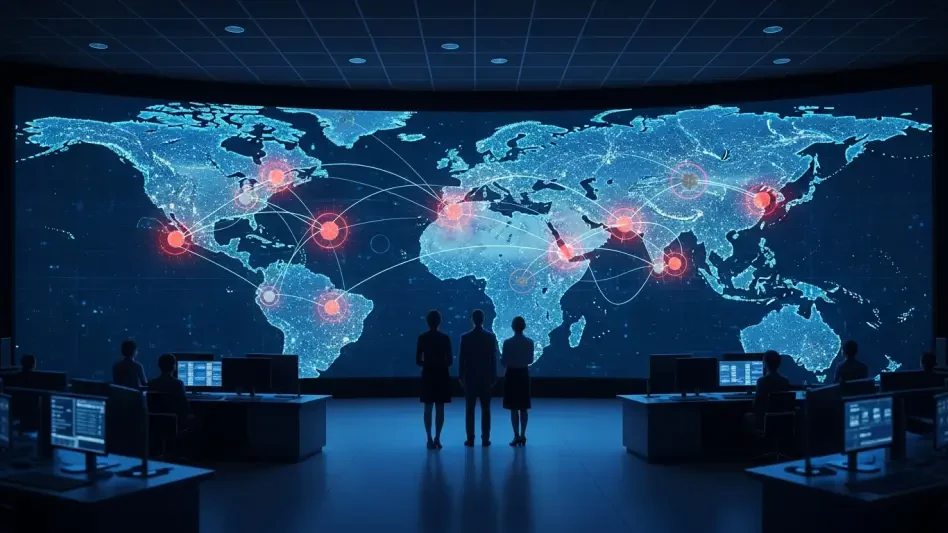

The digital transformation of the manufacturing sector has inadvertently created a sophisticated playground for cybercriminals who view high-precision medical production lines as the ultimate leverage for multi-million-dollar extortion schemes. When UFP Technologies detected a breach on February 14, the incident highlighted the extreme vulnerability of modern logistics. While the intrusion disrupted essential services, the company’s transparent response and swift restoration efforts underscore the importance of organizational preparedness in an era of constant threat.
The Evolving Threat Landscape for Specialized Manufacturing
Historically, the manufacturing sector was a secondary target compared to finance, but the digitization of production shifted this paradigm. Companies providing specialized components now represent a critical link in the global supply chain that attackers prioritize due to high-uptime requirements. Recent trends indicate that threat actors target these industries because even minor delays create massive pressure to pay ransoms. This context explains why the recovery of a specialized manufacturer serves as a vital benchmark for the industrial sector.
Navigating the Recovery and Remediation Process
Operational Bottlenecks and the Challenges of Distribution
The attack specifically crippled billing operations and label-making systems, which are vital for the shipment of physical products. Without the ability to generate accurate shipping labels, the company faced an immediate halt in its outward-bound logistics. This disruption illustrates a critical vulnerability: the heavy dependency on niche IT systems that bridge the gap between production and delivery. To combat these challenges, leadership relied on contingency plans that allowed partial operations to persist while acknowledging that shipment delays were inevitable.
Sophisticated Tactics: Data Exfiltration and System Sabotage
The incident followed a classic ransomware pattern where threat actors did not simply encrypt files but also exfiltrated sensitive data before destroying it. This double-extortion tactic presents a dual challenge for remediation, forcing a thorough forensic investigation to determine the extent of compromised information. The destruction of internal data necessitated a total reliance on secure, off-site backups to rebuild the affected infrastructure. Such tactics demonstrate the need for a recovery strategy that accounts for both data privacy and system availability.
Financial Safeguards and the Role of SEC Transparency
Despite the technical severity, the organization maintained a cautiously optimistic stance in its regulatory filings. By leveraging comprehensive cyber insurance and utilizing robust backups, the firm projected a full recovery of shipment losses within a few weeks. This level of transparency is increasingly required by regulatory bodies and serves to maintain investor confidence during periods of operational instability. It proves that financial resilience is as much about communication as it is about technical defense.
Emerging Trends in Critical Infrastructure Cybersecurity
Looking ahead, the industry is shifting toward zero-trust architectures and more rigorous regulatory oversight to mitigate these risks. As cybercriminals leverage increasingly sophisticated automation and AI-driven tools, companies must adopt more proactive defense mechanisms. There is a growing trend toward mandatory disclosure requirements, which push organizations to be more forthcoming about the impact of breaches. Furthermore, the integration of air-gapped backups and decentralized IT environments is becoming the standard for minimizing the impact of future events.
Strategic Blueprints for Business Continuity
The UFP Technologies incident provides several actionable strategies for businesses seeking to bolster their own resilience. First, the importance of maintaining isolated, frequently tested backups cannot be overstated, as they were the cornerstone of the restoration process. Second, having a pre-negotiated cyber insurance policy is essential for offsetting the high costs of forensic investigations. Finally, companies should develop manual workarounds for critical business functions to ensure that physical goods continue to move even when the digital network is offline.
Strengthening the Foundation for Long-Term Security
The successful restoration of systems underscored the value of a proactive and multi-layered approach to cybersecurity. While the attack caused temporary fiscal softness and logistical hurdles, the ability to bounce back without long-term material impact remained a testament to strategic planning. Stakeholders identified that future security relied on treating cyber defense as a core business function rather than a back-office concern. This incident encouraged a transition to a culture where rapid recovery capabilities defined organizational success more than perimeter defense alone.