
As artificial intelligence rapidly moves from a theoretical concept to the operational backbone of the global economy, the very tools promising unprecedented progress are also creating security vulnerabilities on a scale never before seen. The rise of sophisticated, AI-driven cyberattacks has catalyzed a pivotal trend in national defense: the formal, structured collaboration between government bodies and the private tech giants that build these systems. This analysis explores the deliberate U.S. government initiative to establish a public-private alliance for AI security, examining its structure, purpose, and profound implications for both national security and the future of the technology industry. This article will examine the genesis of the AI Information Sharing and Analysis Center (ISAC), its proposed operational model, the expert perspectives shaping its development, and its future trajectory within the broader landscape of U.S. cyber policy.
The Genesis of a National AI Defense Strategy
Mandating Collaboration The AI-ISAC Initiative
The U.S. government has taken definitive steps toward formalizing a national defense strategy against AI-centric threats, moving from abstract policy to concrete action. This progress stems directly from a mandate in President Donald Trump’s AI Action Plan, which called for the creation of the first Information Sharing and Analysis Center (ISAC) dedicated specifically to artificial intelligence. The initiative represents a significant strategic shift, acknowledging that the defense of national digital infrastructure is intrinsically linked to the security of the commercial technologies that underpin it.
This commitment was solidified by a key announcement from Nick Andersen, CISA’s executive assistant director for cybersecurity, on February 3, 2026. Andersen confirmed the administration’s methodical approach to establishing the AI-ISAC, emphasizing a deliberate process over a rushed timeline. The goal is to build a durable and effective partnership from the ground up. This shared responsibility for its creation is distributed among the Department of Homeland Security, the Commerce Department, and the White House’s Office of the National Cyber Director, ensuring a multi-agency approach to a complex technological challenge.
A New Model for Threat Intelligence Sharing
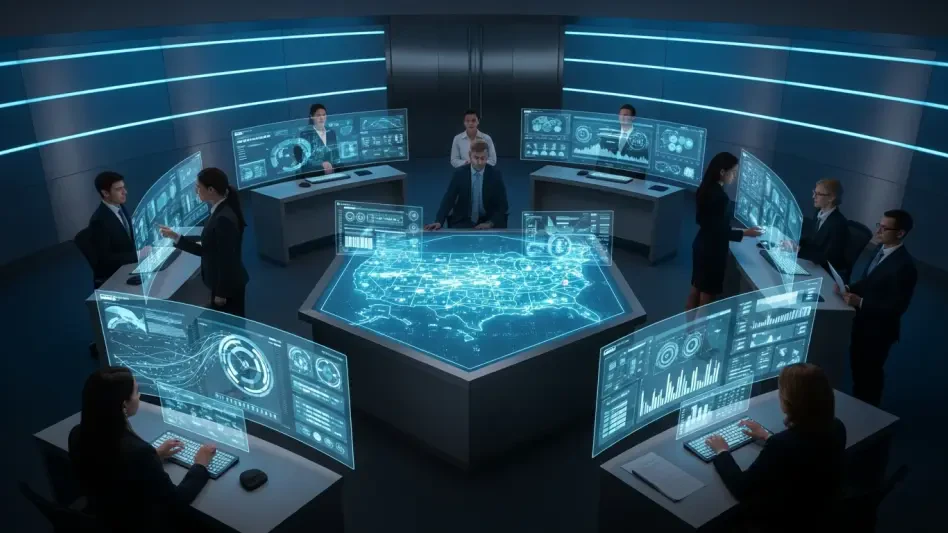
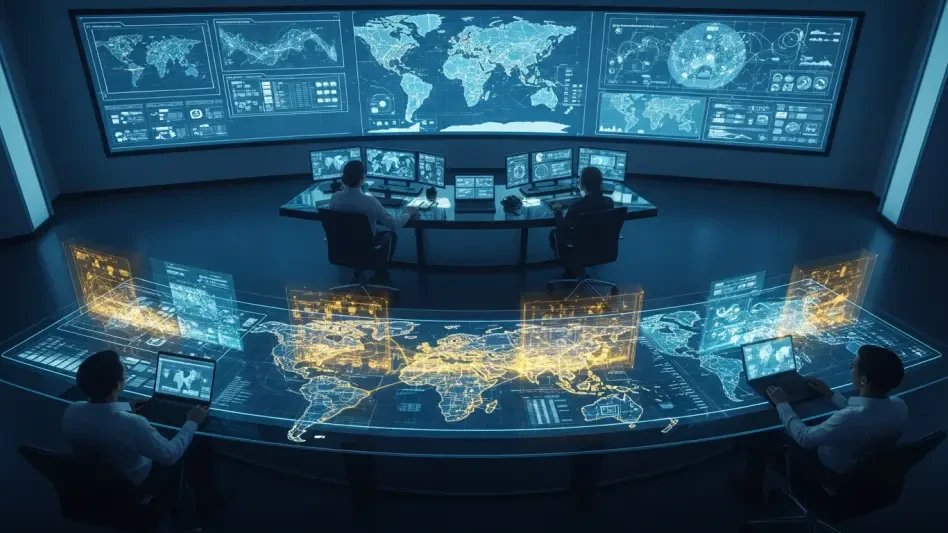
The proposed AI-ISAC functions as a central hub where AI companies can share critical threat data on vulnerabilities, attacks, and defensive tactics. This information would then be analyzed by government experts and disseminated back to the private sector as actionable alerts and strategic guidance. This collaborative loop is designed to create a collective defense mechanism, where an attack on one becomes a lesson for all, dramatically shortening the response time to emerging threats across the industry.
This model is unique in its design, marking a departure from traditional ISACs. While previous centers have focused on specific critical infrastructure sectors like finance or energy, the AI-ISAC is the first to be organized around a specific technology. This reflects a growing consensus that AI is not just another sector but a foundational, cross-cutting technology whose security impacts every aspect of the economy and national defense. The ISAC is being built to address concrete, real-world threat scenarios, including sophisticated AI-powered phishing campaigns that mimic human communication with uncanny accuracy, the deployment of autonomous malware capable of adapting to defenses in real-time, and the discovery of novel vulnerabilities within the complex architecture of AI models themselves.
Key Stakeholder Insights and Strategic Rationale
The strategic importance of this public-private initiative was underscored by Nick Andersen, who framed the AI-ISAC as essential for national security. The government’s rationale for a careful, deliberate development process is to “get that relationship right” from the beginning. By taking the time to build a framework that is trusted and valued by the private sector, the administration aims to avoid the creation of parallel, and potentially less effective, industry-led efforts that could fragment the nation’s defensive posture.
This methodical approach is rooted in the shared understanding that AI security is a foundational issue impacting all economic sectors. The consensus view among policymakers and industry leaders is that the risks are too pervasive and interconnected for any single entity to manage alone. This shared belief justifies the creation of a dedicated, technology-focused ISAC, establishing a precedent for how the nation will confront future technological security challenges.
Future Outlook and Evolving Cyber Policy
The formation of the AI-ISAC is part of a broader evolution in U.S. cyber policy, with several related CISA initiatives set to further shape the landscape of public-private security collaboration. These efforts signal a move toward more formalized and proactive defense strategies, recognizing that voluntary information sharing alone is insufficient to counter state-level adversaries and sophisticated cybercriminals.
Among the most significant developments is the imminent release of a new cyber incident reporting regulation, which will formalize information-sharing requirements for companies in critical sectors. In parallel, CISA is modernizing the Critical Infrastructure Partnership Advisory Council (CIPAC) framework. The updated framework will be more flexible and explicitly cybersecurity-focused, allowing for the creation of topic-specific working groups to address challenges like operational technology and undersea cable security. This reform aims to include infrastructure operators who were previously underrepresented, broadening the scope of national cyber defense. However, these ambitious programs face internal challenges, most notably CISA’s ongoing hiring initiative to overcome significant staffing shortages required to effectively manage these new responsibilities.
Conclusion Forging a Unified Front in AI Security
The definitive trend toward a formalized public-private partnership to defend against AI-driven threats was best exemplified by the planned AI-ISAC. This initiative signaled a critical shift in national security strategy, acknowledging that the digital frontier could only be secured through a united front.
The collaborative model was reaffirmed as fundamentally important for both national and economic security in an era increasingly defined by advanced artificial intelligence. The structured sharing of threat intelligence and defensive strategies between the government and the tech industry proved to be an indispensable component of a modern cyber defense. This unified approach was essential for proactively securing digital infrastructure against the next generation of cyber threats, establishing a resilient framework for the challenges that lay ahead.