
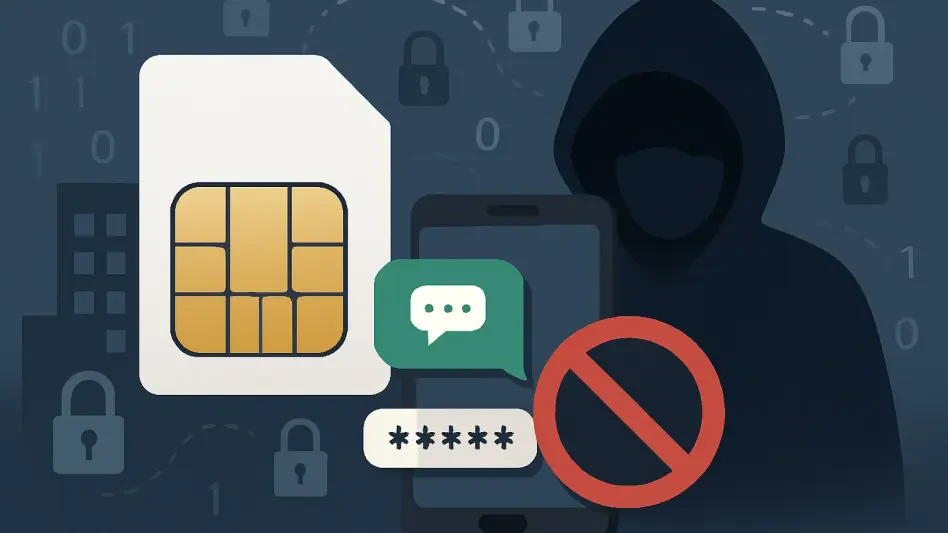
When a company phone number is silently ported to a rogue SIM, routine work can collapse into crisis before lunch as privileged sessions are reset, admin consoles open on unfamiliar devices, and customers watch transactions fail in real time. The pace is ruthless because voice and text channels are still treated as trusted signals, allowing attackers to glide past checkpoints designed for convenience rather than resilience.
The business impact lands fast and wide. A single compromised line can unlock password resets, trigger fraudulent payments, and seed malware through seemingly legitimate notifications. Brand damage follows close behind, as users and partners experience outages and suspicious activity that feel preventable. The backdrop is not comforting: SIM-swapping fraud surged more than 1,000% in the UK in 2024, underscoring how quickly the tactic scaled from fringe to mainstream.
Why the Phone Number Became a Master Key
This threat matured beyond consumer scams and entered enterprise and national security territory. Phone numbers became the de facto identity anchor across identity platforms, banking portals, customer recovery flows, and service desks. That convenience created a single point of failure: if the number moves, so does trust.
Three trends accelerated the wave. Widespread use of texted one-time codes kept SMS in the center of critical workflows. The payoff from crypto, fintech, and privileged enterprise accounts raised attacker focus. And seasoned social-engineering playbooks made pressuring carriers and help desks alarmingly effective. Policymakers noticed, framing telecom-layer exploitation as a strategic risk that demands enterprise-grade controls.
Inside the Swap and Its Blast Radius
A SIM swap has a simple pivot: persuade a carrier—through stolen data, forged documents, or confident social engineering—to port a victim’s number to an attacker-controlled SIM. Once live, the attacker receives calls and texts, erasing the core security assumption behind SMS-based codes. From there, account recovery becomes a downhill run.
The enterprise blast radius is broader than a password reset. With caller ID spoofed and phone checks passing, support teams may approve changes to identity settings, VPN access, SSO enrollment, or finance permissions. Lateral movement accelerates when help desk workflows rely on phone-based verification. Operational disruption follows as access is revoked in bulk, systems are locked for review, and customer channels stall. The reputational swing—loss of confidence among users and partners—can linger even after systems recover.
A recent example illustrated the shift from nuisance to systemic risk. In April 2025, Marks & Spencer reported that an employee number was hijacked and used to pressure IT to reset credentials, leading to disruptions across online ordering and store operations. Two lessons stood out: phone-based signals cannot carry identity proof on their own, and internal support procedures must be hardened to withstand real-time manipulation.
Voices From the Field
Security practitioners increasingly share a blunt assessment: “SMS is not a security factor; it’s a delivery channel attackers can hijack.” The resulting consensus points toward phishing-resistant methods—FIDO2 security keys and hardware tokens—for high-value access such as Windows logon, RDP, VPN, administrator consoles, and finance systems. Moving authentication out of the telecom layer neutralizes the main advantage a SIM swap delivers.
Telecom-layer defenses matter, but only when enforced at scale and with discipline. Port freezes, SIM locks, mandatory carrier PINs, and out-of-band approvals can sharply reduce successful ports on corporate lines. These measures work best when paired with clear escalation paths and documented ownership inside the enterprise, so response teams know exactly who can unlock what and when.
Social engineering remains the dominant attack path. Carriers and service desks are persistent pressure points, and process rigor routinely beats ad hoc judgment. Sector advisories—from national cybersecurity agencies and ISACs—now highlight identity recovery and telecom processes as prime targets. The message is consistent: defend identity flows as if the phone network were already compromised.
A Layered Plan That Works Under Pressure
Prevention starts with eliminating weak factors and hardening mobile accounts. Require unique SIM PINs on all company-issued devices and phase out SMS codes in favor of phishing-resistant authentication for any access that can move money, data, or administrative control. Partner with carriers to enforce port freezes and SIM locks, mandate account PINs, and require approved out-of-band authorizations before any port-out is processed.
Early detection buys crucial minutes. Train staff to recognize sudden loss of service, unsolicited password reset texts, and odd device behavior as potential swap indicators. Use telecom fraud tools or managed services to watch SS7 signaling and SIM identifiers—IMSI and ICCID—for anomalies. Subscribe to sector threat intelligence from sources like FS-ISAC or NCSC to spot campaigns early, and audit recovery paths to remove SMS and backup email where they are not strictly required.
Response must be rehearsed, not improvised. Maintain carrier escalation contacts, automate session revocation across identity and SaaS, and rotate credentials immediately. Treat number compromise as a high-severity event, with tabletop exercises that include IAM, help desk, legal, and communications. Secure workflows by requiring strong, multi-channel verification for sensitive changes and equipping service desks with verification tools that authenticate users without leaning on caller ID or text alone.
What Needs To Change Next
Enterprises that prioritized phishing-resistant authentication and layered telecom controls saw fewer successful ports and shorter incidents. Carrier freezes and SIM locks reduced the likelihood of compromise, while rigorous help desk procedures stopped many attempts that slipped past the network edge. The most decisive gains came from redesigning recovery flows so that a stolen number no longer opened the front door.
The shift away from SMS proved more than a security upgrade; it clarified identity ownership across systems and teams. As organizations mapped recovery paths, they uncovered shadow dependencies, removed stale backup channels, and aligned escalation playbooks with real decision-makers. These changes lowered alert fatigue and raised signal quality during the first stressful hour of an incident.
The path forward favored depth over theater. Investing in phishing-resistant factors, enforcing carrier safeguards, monitoring telecom anomalies, and drilling a fast-response runbook provided measurable resilience without burdening users with brittle rituals. SIM swaps turned a phone number into an attacker’s master key; a layered approach turned that key into a poor tool, and the window for damage closed before the story could repeat.