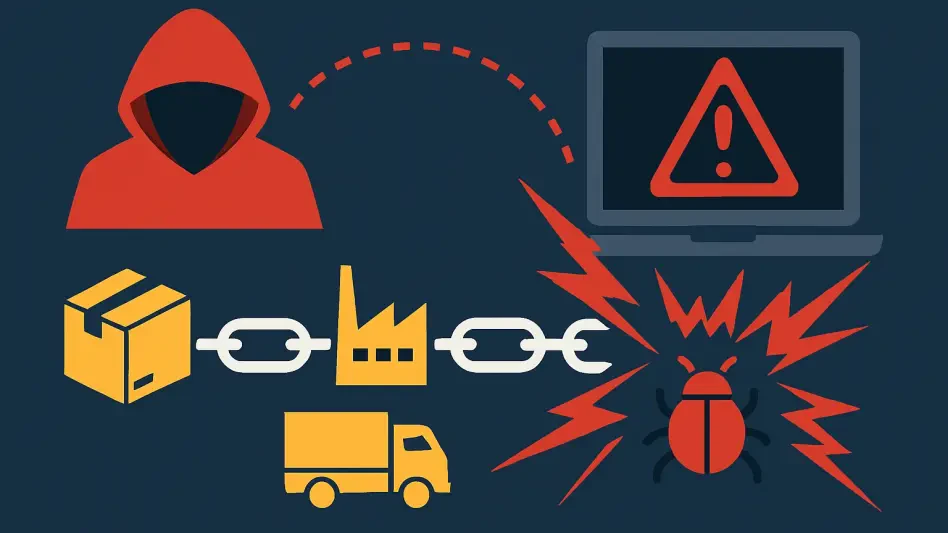
The global healthcare infrastructure faced a harrowing wake-up call recently when Stryker, a titan in the medical technology sector, became the target of a sophisticated and destructive digital assault. This breach did more than just interrupt standard corporate communications; it effectively paralyzed the complex machinery of one of the world’s largest providers of surgical equipment and orthopedic implants. As hospitals and surgical centers across the globe rely on the timely delivery of specialized medical devices, the sudden cessation of shipping and order processing created an immediate ripple effect throughout the healthcare supply chain. This incident highlights the extreme vulnerability of critical manufacturing sectors to state-linked actors who possess the capability to dismantle operations from thousands of miles away. While the company maintains a massive workforce of 56,000 employees spanning 61 countries, the centralized nature of its digital management proved to be a single point of failure that the attackers were eager to exploit for maximum impact.
Investigating the Mechanics of the Intrusion
Advanced Exploitation of Endpoint Management Tools
Technical forensic investigations conducted by security firms such as Halcyon and Check Point Research have pinpointed the specific vector used to cripple Stryker’s internal infrastructure. The attackers targeted Microsoft Intune, a cloud-based endpoint management solution that is traditionally used by IT departments to deploy software updates and maintain security policies across a global fleet of devices. By gaining unauthorized access to this administrative hub, the threat actors were able to subvert its intended purpose. Instead of pushing security patches, they distributed malicious commands that triggered factory resets and data wipes on thousands of corporate workstations and mobile devices. This method is particularly devastating because it leverages legitimate, high-privilege administrative tools that are often trusted by internal firewalls and antivirus programs. By the time the breach was detected, the automated nature of the deployment had already rendered a significant portion of the company’s hardware completely useless.
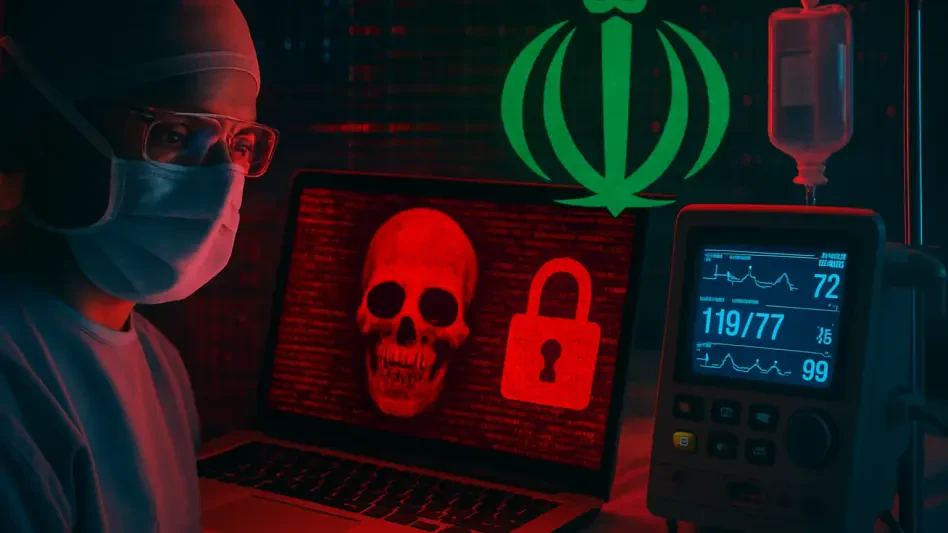
The precision of this attack suggests a deep understanding of cloud-tenant architecture and the specific configurations used by large-scale enterprises. The “Handala” group, which has been identified as the primary suspect with ties to the Iranian Ministry of Intelligence and Security, reportedly executed a “wiper” protocol designed specifically for destruction rather than traditional ransom. This shift in tactics marks a departure from the profit-driven motives of independent cybercriminal gangs, leaning instead toward state-sponsored disruption. By focusing on the deletion of data and the bricking of hardware, the attackers ensured that the recovery process would be slow, labor-intensive, and extremely costly. The logistical nightmare of manually re-imaging thousands of devices across multiple continents cannot be overstated, as each affected unit requires individual attention from IT specialists to be safely returned to the corporate network environment.
Quantifying the Scale of Data Exfiltration
Beyond the immediate destruction of hardware and local files, the Handala group claims to have successfully exfiltrated 50 terabytes of sensitive corporate data before initiating the wiper sequence. This massive haul likely includes proprietary designs, strategic business plans, and sensitive internal communications that could provide competitors or foreign entities with a distinct advantage in the medical technology marketplace. While Stryker has been quick to clarify that patient-related services and connected medical devices were not directly compromised, the loss of corporate intellectual property poses a long-term strategic risk. The psychological impact of such a massive data breach also weighs heavily on stakeholders, as the integrity of the company’s internal environment has been fundamentally shaken. This exfiltration acts as a secondary layer of the attack, ensuring that even after systems are restored, the stolen information remains a lingering threat to the company’s competitive edge.
The sheer volume of data involved in the theft suggests that the attackers maintained a persistent presence within the network for a significant period before the final destructive phase began. Modern cybersecurity frameworks emphasize “dwell time” as a critical metric, and in this instance, it appears the threat actors were able to navigate the network undetected while mapping out critical assets. The transition from silent observation to loud, destructive action is a hallmark of sophisticated state-backed operations intended to project power and cause maximum organizational distress. As the investigation continues with the involvement of the Cybersecurity and Infrastructure Security Agency (CISA) and federal law enforcement, the focus remains on identifying the exact moment of initial entry. Understanding how the perimeter was first breached is essential for preventing similar incursions in the future, especially as other medical giants evaluate their own exposure to such high-level administrative tool abuse.
Assessing the Path Toward Organizational Recovery
Balancing Operational Continuity and System Restoration
In the wake of the initial chaos, Stryker’s executive leadership, led by CEO Kevin Lobo, has moved aggressively to contain the damage and restore essential business functions. The company reported that the breach was successfully confined to its internal Microsoft environment, preventing the malware from migrating into the systems that control active medical devices or patient databases. This distinction is vital for maintaining public trust, as the safety of medical implants and surgical tools is paramount to the company’s reputation. Despite the internal technical hurdles, medical procedures utilizing Stryker products have continued globally without significant interruption. This resilience is partly due to the decentralized nature of hospital inventories, which often carry enough stock to manage short-term supply chain disruptions. However, the long-term challenge lies in reconnecting the manufacturing and shipping pipelines that are currently operating under manual workarounds or degraded digital capabilities.
Financial analysts from J.P. Morgan have observed the situation closely, suggesting that while the immediate costs of remediation will be substantial, the long-term impact on the company’s market valuation may be limited. The primary concern for investors is not just the cost of new laptops and servers, but the potential for lost revenue due to delayed order fulfillment. Stryker has remained transparent throughout the ordeal, filing necessary disclosures with the Securities and Exchange Commission (SEC) to keep the market informed of its progress. This transparency is a key component of modern crisis management, as it helps to stabilize investor confidence during periods of high uncertainty. As the restoration phase moves forward, the company is prioritizing the most critical nodes of its supply chain to ensure that life-saving medical equipment continues to reach healthcare providers. The recovery process is being treated as a phased rollout, with security enhancements being baked into the new system architecture to prevent a recurrence of the breach.
Implementing Robust Defenses Against Future Threats
The primary lesson from this incident is the urgent need for “zero trust” architectures that go beyond simple perimeter defense to include the strict monitoring of administrative tools like Microsoft Intune. Moving forward into 2026 and 2027, organizations must implement granular access controls that require multi-party authorization for high-impact commands, such as remote wipes or mass software deployments. Relying on a single administrative account or a small set of credentials for global device management is no longer a viable strategy in an era where state-backed actors are actively hunting for these keys to the kingdom. By requiring multiple layers of verification and real-time behavioral analytics, companies can detect when legitimate tools are being used for illegitimate purposes. This proactive approach to security is the only way to safeguard against the increasing sophistication of threat actors who have moved past simple phishing to advanced infrastructure subversion.
Furthermore, the recovery at Stryker serves as a case study in the importance of offline, immutable backups and comprehensive incident response planning. Having the ability to restore data from a clean, isolated source is the only effective countermeasure against wiper attacks that seek to erase an organization’s digital history. Organizations should conduct regular, high-pressure drills that simulate the total loss of their endpoint management systems to identify gaps in their manual recovery procedures. As the healthcare industry continues to digitize, the boundary between physical medical safety and digital security will only continue to blur. Leaders in the sector must now treat cybersecurity as a core component of patient safety, investing in resilient systems that can withstand even the most aggressive state-sponsored interference. The path to a more secure future requires a fundamental shift in how corporations view their internal IT tools, transforming them from potential liabilities into hardened assets that are monitored with the same rigor as the medical devices they help produce.