
An alarming listing has surfaced on a dark web marketplace that is sending ripples of concern throughout the cryptocurrency community, alleging that internal access to the Kraken exchange’s support panel is available for purchase for the nominal fee of one dollar. The post, made by a user identified as “ransomcharger,” claims to offer read-only privileges to a treasure trove of highly sensitive customer information. If the claim is legitimate, the buyer would gain a window into an extensive database containing full user profiles, complete and detailed transaction histories, and a vast collection of Know Your Customer (KYC) documentation. This KYC data is reported to include some of the most private information a user can provide, such as copies of government-issued identification, personal selfies used for verification, proof of address documents like utility bills, and even declared sources of funds. The potential exposure of such comprehensive data sets represents a significant security event, raising urgent questions about the safeguards in place to protect user information at one of the world’s most prominent digital asset exchanges.
The Anatomy of a Potential Data Crisis
The immediate danger presented by this alleged breach extends far beyond a simple privacy violation, even with the access being described as “read-only.” The seller specifically highlights that the privileges include the ability to generate support tickets within Kraken’s internal system. This single capability could serve as a powerful tool for malicious actors. An attacker armed with a user’s complete KYC and transaction history could create highly personalized and convincing support tickets, effectively impersonating Kraken staff. Such a position would allow them to orchestrate sophisticated social engineering or phishing scams with a high degree of credibility. For example, a scammer could contact a user regarding a fabricated issue with a recent transaction—referencing the exact date, time, and amount—and guide the victim toward a malicious site to “resolve” the problem, ultimately tricking them into revealing login credentials, private keys, or authorizing fraudulent transfers. The low price of $1 suggests the seller may be attempting to either quickly monetize a vulnerability, prove a point, or cause widespread disruption, but regardless of the motive, the potential for targeted financial theft and identity fraud is immense.
Assessing the Fallout and Industry Precedent
While the authenticity of the dark web listing remains unconfirmed, its appearance has forced a critical conversation about security practices across the digital asset industry. Some cybersecurity analysts and seasoned crypto users have expressed skepticism, suggesting the offer could be a bluff designed to create panic or a scam to collect money from unsuspecting buyers. However, the incident cannot be dismissed outright, as it fits into a disturbing and well-established pattern of security vulnerabilities targeting the administrative tools of major cryptocurrency exchanges. In recent years, industry giants including Binance, FTX, and KuCoin have all reportedly experienced breaches that exploited weaknesses in their internal support and administrative panels. These events underscore a persistent challenge: as exchanges collect vast amounts of sensitive data to comply with global regulations, they simultaneously create centralized points of failure that are highly attractive targets for cybercriminals. The alleged Kraken incident serves as another stark reminder that securing the backend infrastructure is just as critical as protecting the public-facing trading platform.
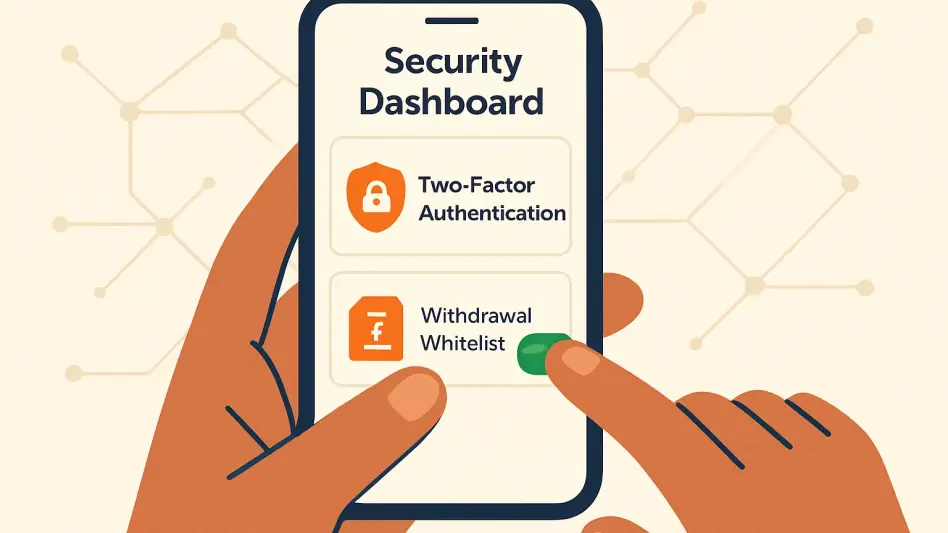
In the absence of an official statement from Kraken confirming or denying the breach, security experts are urging users to adopt a proactive stance to safeguard their accounts. The primary recommendation is the immediate implementation of robust multi-factor authentication (MFA), with a strong preference for hardware security keys over less secure software-based authenticators like SMS or app-generated codes. Hardware keys provide a physical layer of security that is resistant to phishing and remote attacks. Furthermore, users are advised to enable and meticulously configure withdrawal whitelists. This feature restricts the transfer of funds to a pre-approved set of external wallet addresses, effectively preventing an attacker who gains account access from siphoning assets to their own wallets. These measures, while not foolproof against all threats, create significant barriers for unauthorized actors and represent the best practices for personal account security in an environment where the integrity of platform-level controls is perpetually being tested. The incident ultimately highlighted the fragile trust between users and centralized platforms, pushing the industry to reconsider how it could better protect its most valuable asset: its customers’ data and funds.