Stolen driver’s license scans provide a goldmine for criminals because they contain the specific data points required to bypass identity verification at financial institutions. This massive leak, encompassing approximately 153 million records, represents a tectonic shift in the availability of personal telemetry on the dark web. Beyond mere numbers, the depth of the data—including high-resolution images of government-issued IDs, physical addresses, and birth dates—enables malicious actors to construct near-perfect digital doppelgängers. As these records circulate through illicit marketplaces, the threat extends beyond simple credit card fraud to comprehensive account takeovers and the creation of synthetic identities that can bypass modern facial recognition systems. This breach serves as a stark reminder that the digital representations of our physical selves are often stored with insufficient safeguards, leaving millions of individuals exposed to long-term financial and personal risk in 2026.
The Anatomy: How 153 Million Records Were Exposed
Part 1. Technical Vulnerabilities in Cloud Storage
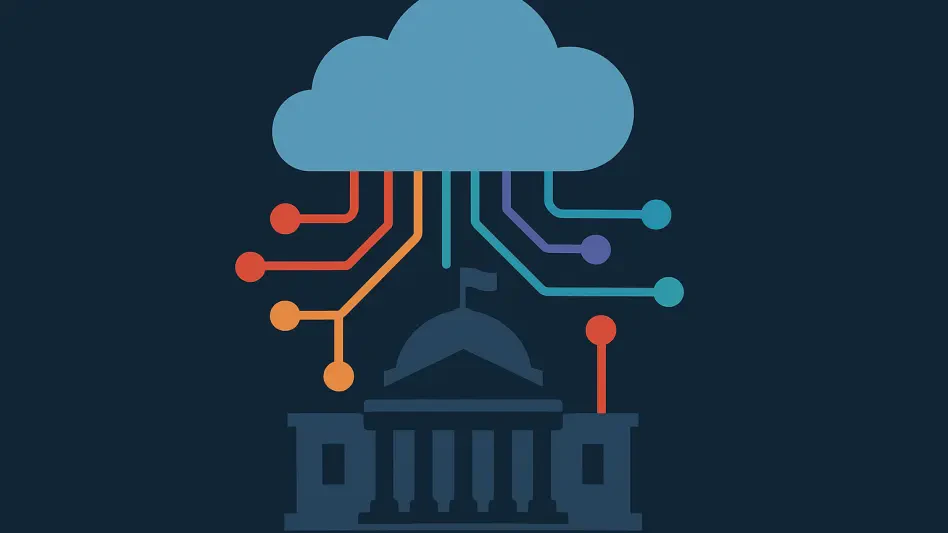
The breach originated from a misconfigured cloud storage bucket that had been left exposed without password protection for several months. In the current landscape of 2026, such oversights are increasingly scrutinized, yet they remain a primary vector for large-scale data exfiltration. Automated scanners utilized by threat actors can identify open ports and unsecured Amazon S3 buckets within minutes of their deployment. Once an unprotected database is located, the process of downloading millions of records is almost instantaneous. This specific incident involved an administrative failure where a third-party contractor failed to implement the necessary encryption protocols or access control lists before migrating sensitive archival data. The result was a cascading failure that allowed anonymous users to download compressed archives containing millions of high-resolution images of state-issued identification documents without triggering a single alert in the network monitoring systems.
Part 2. The Mechanics of Data Exfiltration
This exposure was compounded by the fact that the data was stored in an unencrypted format, making it immediately readable to anyone who discovered the link. Security analysts noted that the breach persisted for a significant duration, allowing multiple distinct criminal organizations to harvest the data before it was finally secured. The volume of the exfiltrated information is staggering, with metadata suggesting that the records were sorted by geographic region, which facilitates targeted social engineering campaigns. Furthermore, the lack of robust logging and monitoring within the cloud environment meant that the organization remained unaware of the unauthorized access until the data appeared on public leak forums. This gap in detection highlights a critical deficiency in real-time threat intelligence and infrastructure visibility that continues to plague even well-funded institutions. The simplicity of the theft is what makes it particularly alarming for the cybersecurity community.
The Impact: Understanding the Risk of Stolen Scans
Part 3. Identity Theft in the Age of Deepfakes
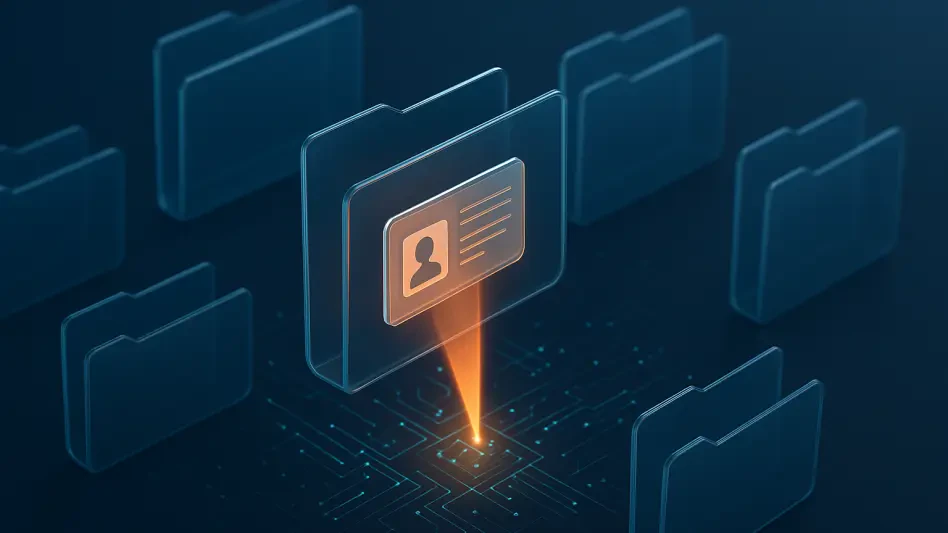
Unlike simple text-based leaks involving passwords or email addresses, the loss of actual driver’s license scans presents a much more durable threat to individual security. A high-resolution image of a driver’s license contains holographic features, unique identification numbers, and a signature, all of which are essential for passing “Know Your Customer” protocols at online banks and cryptocurrency exchanges. In the criminal underworld, these scans are often bundled into “fullz” packages, which include additional personal details to increase the success rate of identity fraud. The availability of these images allows fraudsters to utilize deepfake technology more effectively, mapping the stolen license photo onto a live video stream to fool liveness detection algorithms. As these technologies have advanced through 2026, the distinction between a legitimate identity document and a high-quality digital forgery has become increasingly blurred for many automated verification systems.
Part 4. Strategic Actions for Long-Term Security
The resolution of this massive data exposure required a coordinated effort between international law enforcement and cybersecurity firms to dismantle the infrastructure used to host the stolen data. Organizations implemented more stringent audit requirements for third-party vendors and shifted toward passwordless authentication to reduce the utility of stolen static credentials. Individuals took charge of their digital footprints by adopting hardware security keys and utilizing encrypted vaults for sensitive documents. The industry moved toward a model of verifiable credentials that eliminated the need for physical ID scans in digital environments. Government agencies also revised the process for reissuing compromised identification numbers, making it easier for victims to reset their digital identities. These proactive steps ensured that while the data remained in circulation, its effectiveness for fraudulent activities was significantly diminished. This response fostered a more resilient digital ecosystem.