
The silent vibration of a server rack in a windowless data center now carries as much strategic weight as the thunderous launch of a mid-range ballistic missile. While physical munitions dominated the headlines during the late February bombing campaigns against Iranian assets, a quieter and potentially more pervasive conflict was already unfolding within Western servers. Days before the first kinetic strikes, Iranian-linked operatives were successfully infiltrating the digital bedrock of American society, from financial institutions to municipal databases.
This shift marks a transition where cyber operations are no longer just supportive elements of espionage but are active, front-line components of a multi-dimensional war. The synchronization of these digital incursions with physical military movements suggests a doctrine that treats the internet as a secondary theater of combat. By targeting the civilian infrastructure that sustains daily American life, these actors aim to project power far beyond the borders of the Middle East.
Beyond the Battlefield: The Digital Escalation of 2026
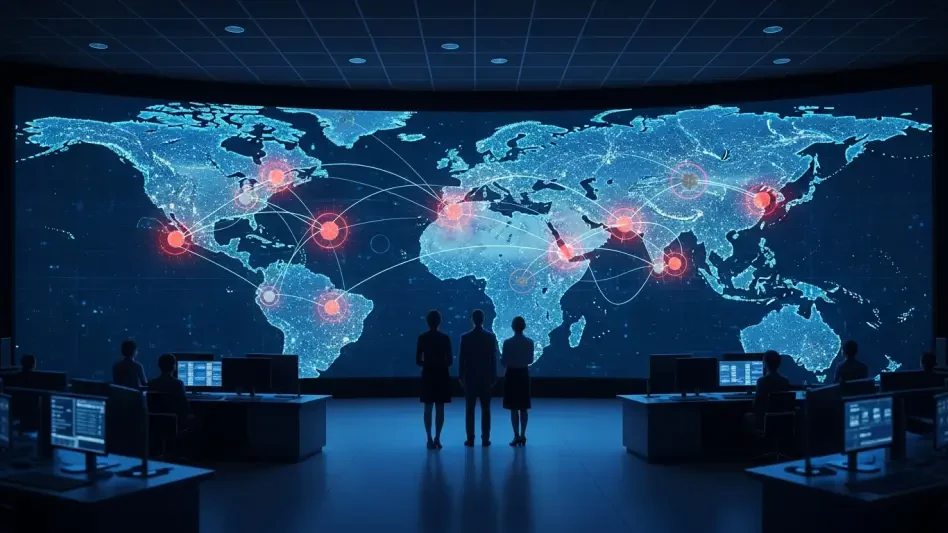
The current climate of hostility has revealed that the boundary between traditional warfare and digital sabotage has effectively vanished. In the weeks surrounding the recent military exchanges, security analysts observed a marked uptick in sophisticated intrusion attempts originating from Middle Eastern nodes. These were not merely attempts to steal classified documents; they were calculated strikes intended to probe the resilience of the American power grid and transportation networks.
This escalation represents a departure from previous patterns of behavior. In the past, cyberattacks often followed physical conflicts as a form of symbolic protest or revenge. However, the current strategy involves a simultaneous approach where digital disruption serves as a force multiplier for physical maneuvers. This dual-threat environment forces defense agencies to split their focus between protecting overseas assets and securing the domestic front from invisible invaders.
Why Pre-Positioning: The New Standard in Modern Warfare
The recent surge in cyber aggression highlights a dangerous trend: the strategic “pre-positioning” of malware within critical infrastructure before physical hostilities even begin. By establishing a foothold in US banks, airports, and software firms during early February, Iranian threat actors ensured they had the leverage to retaliate or disrupt services at a moment’s notice. This proactive approach to cyber warfare turns civilian infrastructure into a secondary battlefield, making the security of domestic networks as vital to national defense as traditional military readiness.
Establishing this type of “dormant” access allows state actors to choose the exact moment of impact. If a physical escalation occurs, these pre-planted digital triggers can be activated to cause chaos in logistics or financial markets, potentially paralyzing a nation’s ability to respond. It is a form of digital deterrence that relies on the threat of systemic collapse rather than the destruction of a single military target.
Dissecting the Iranian Cyber Arsenal: Seedworm and the Dindoor Backdoor
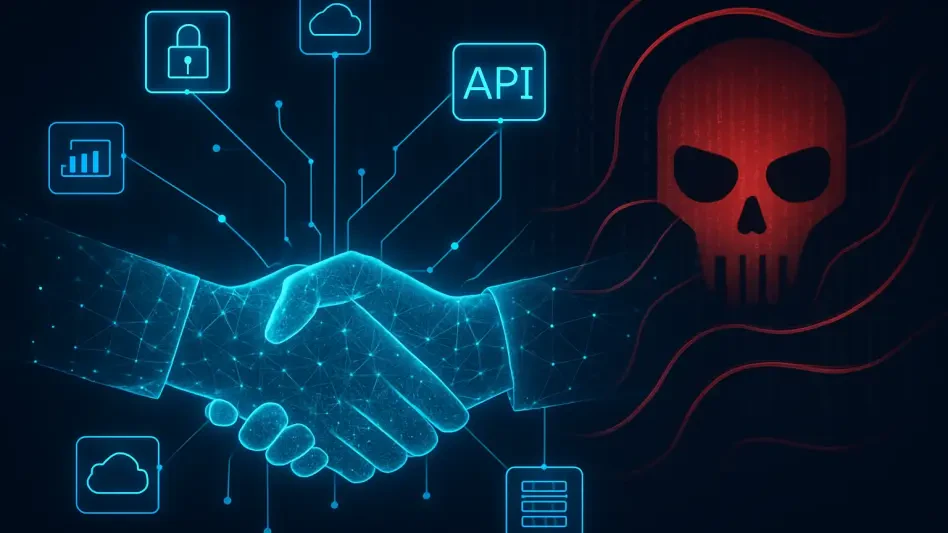
The vanguard of this digital offensive is the advanced persistent threat group Seedworm, a sophisticated arm of the Iranian Ministry of Intelligence and Security. Their latest campaign introduced “Dindoor,” a custom backdoor that leverages the Deno runtime for JavaScript and TypeScript to maintain a persistent, stealthy presence on compromised networks. By targeting diverse sectors—ranging from an Israeli-based aerospace software firm to domestic US aviation hubs—Seedworm demonstrated a high level of operational flexibility.
Their technical prowess was further evidenced by the clever adaptation of common administrative tools. The use of legitimate services like RClone and Wasabi cloud storage for data exfiltration allowed the group to move stolen information under the guise of routine network traffic. This methodology makes it incredibly difficult for standard security protocols to flag the activity as malicious, as the tools themselves are widely used for benign business purposes.
Intelligence Reports: The Convergence of State and Grassroots Hacking
Data from cybersecurity leaders reveal a hybrid threat landscape where state-sponsored precision meets chaotic, opportunistic hacktivism. While Seedworm executes high-level intrusions, groups like the FAD Team have ramped up pressure by leaking personally identifiable information from local government entities. This two-pronged strategy creates a “pincer movement” in cyberspace; while the government focuses on protecting defense and aerospace assets, civilian confidence is eroded by localized data breaches.
Furthermore, the specter of a revived “Operation Ababil” suggests that the US financial sector may soon face a wave of large-scale DDoS attacks. This combination of deep-cover state operations and loud, public hacktivism serves to distract and overwhelm defensive resources. The psychological impact of seeing local township data leaked online can be just as damaging to national morale as a sophisticated attack on a federal agency.
Defensive Blueprints: Hardening Infrastructure Against Iranian APTs
To counter this evolving threat, organizations moved beyond reactive security and adopted a framework of active resilience. Implementing strict “Least Privilege” access controls became essential to prevent lateral movement, especially against backdoors like Dindoor that thrived on network persistence. Security teams prioritized the monitoring of unconventional runtimes—such as Deno—and audited the use of cloud synchronization tools like RClone within their environments.
For the financial and aviation sectors, the focus shifted toward stress-testing DDoS mitigation strategies and establishing clear protocols for data exfiltration detection. These efforts were not merely technical updates but represented a fundamental shift in how domestic entities perceived their role in national security. By treating every endpoint as a potential entry point for a state-level adversary, the private sector began to build the “digital moat” necessary to survive a multi-front conflict.