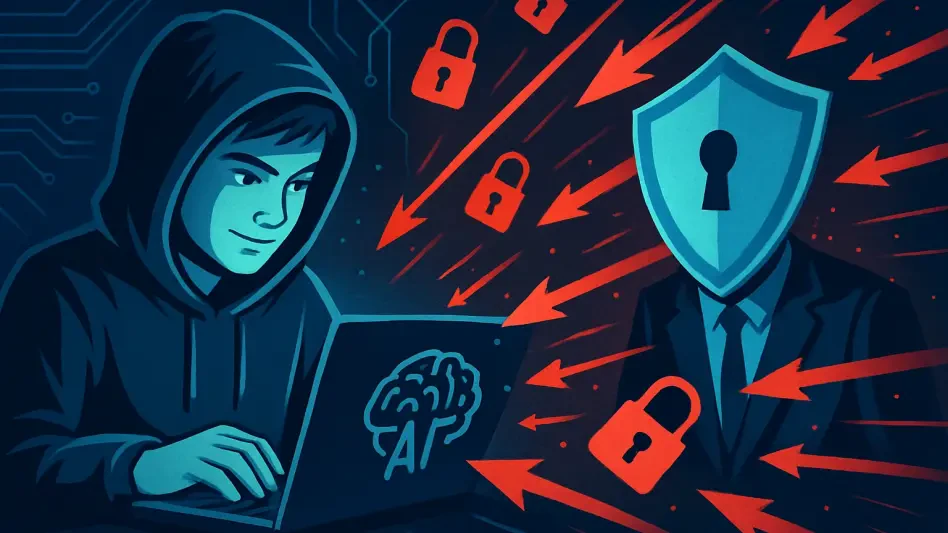

The global cybersecurity community recently celebrated a monumental victory as an international coalition successfully dismantled the Tycoon 2FA phishing infrastructure, a platform that once dominated the illicit digital market. This operation, spearheaded by Microsoft’s Digital Crimes Unit and Europol alongside law enforcement from six nations, represents a decisive shift in how the world confronts organized cybercrime. By seizing over 300 domains and neutralizing the technical core of the service, authorities have disrupted a pipeline responsible for tens of millions of fraudulent messages. This analysis examines the ripple effects of this takedown, exploring how the removal of a high-volume Phishing-as-a-Service (PhaaS) provider fundamentally alters the threat landscape for enterprises and individual users alike.
The Dismantling of a Phishing Giant: An Overview of the Tycoon 2FA Takedown
The neutralization of Tycoon 2FA serves as a case study in effective multi-jurisdictional cooperation, signaling the end of an era for one of the most resilient phishing operations ever documented. By targeting the backbone of the infrastructure rather than just individual actors, the coalition effectively “de-platformed” thousands of low-skilled criminals who relied on this specific kit to bypass modern security measures. This intervention did more than just stop the flow of emails; it dismantled a sophisticated business model that had successfully industrialized identity theft.
Furthermore, the legal and technical scope of this operation highlights the growing sophistication of defensive alliances. The involvement of eleven private security firms alongside government agencies ensured that the disruption was not temporary. By targeting 330 domains simultaneously, the operation prevented the group from quickly migrating to “failover” servers, a tactic often used by smaller groups to survive takedowns. This comprehensive approach underscores a new standard for cyber defense where speed and scale are paramount.
The Rise of Storm-1747 and the Evolution of Adversary-in-the-Middle Attacks
To appreciate the significance of this event, one must consider the technological shift that Tycoon 2FA pioneered under the management of the group known as Storm-1747. As organizations moved toward Multi-Factor Authentication (MFA) to secure their data, traditional phishing methods became obsolete. Storm-1747 responded by perfecting Adversary-in-the-Middle (AiTM) techniques, which allowed attackers to sit between the user and the legitimate service. This enabled the platform to intercept session tokens in real-time, rendering even the most common MFA protections ineffective.
By offering these advanced capabilities for a modest monthly fee, Tycoon 2FA democratized high-level cyber espionage. Any individual with a basic understanding of the web could deploy enterprise-grade attacks against high-value targets like Microsoft 365 and Google users. This low barrier to entry led to an explosion in volume, with the kit eventually accounting for over sixty percent of all phishing attempts detected by major security providers. The scale of this operation proved that the greatest threat to modern security was no longer just the “elite” hacker, but the automation of their methods.
Assessing the Structural Damage to the Cybercrime Ecosystem
The Degradation of the Phishing-as-a-Service Brand and Reliability
One of the most profound impacts of this operation is the psychological blow dealt to the underground economy. Phishing-as-a-Service is a market built on the promise of uptime and anonymity; when a major player like Tycoon 2FA is dismantled, it creates a crisis of confidence among criminal subscribers. The public nature of the $10 million civil complaint filed against the alleged operators further erodes the sense of safety that these platforms provide. Potential customers are now forced to reconsider the risk of paying for services that may already be under law enforcement surveillance.
Mitigation of Real-World Harm in Healthcare and Education
The relief provided to critical infrastructure, particularly in the healthcare and education sectors, cannot be overstated. These industries were primary targets for Tycoon 2FA due to the high value of their data and the often-constrained nature of their IT budgets. In New York alone, the kit’s activities led to significant operational delays in hospitals, directly impacting patient care. With the removal of this automated threat, these institutions have gained a crucial window of opportunity to fortify their defenses without being inundated by thirty million fraudulent emails per month.
Disruptive Innovation and the Shift in Defensive Methodologies
This takedown serves as a catalyst for a shift in defensive strategy, moving away from reactive measures toward proactive infrastructure disruption. The collaboration between private entities and public law enforcement has created a blueprint for future interventions. By forcing attackers to spend more resources on building resilient infrastructure, the “cost of doing business” for cybercriminals has risen significantly. This environment forces a “reset” where the defenders have a rare opportunity to outpace the evolution of criminal toolsets, making the internet safer for the average user.
The Future Landscape: Regulatory Changes and Technical Evolution
As we look toward the immediate horizon, the fall of Tycoon 2FA will likely trigger a wave of regulatory reforms aimed at the domain registration industry. To prevent the mass registration of the fraudulent domains that fueled this platform, governments are expected to demand stricter verification processes for purchasers. This “Know Your Customer” approach for digital real estate would add a layer of friction that could prevent future phishing kits from scaling as rapidly as Tycoon 2FA did during its peak.
Additionally, the technical arms race will continue to evolve toward AI-integrated defenses. The success of this operation provides a massive dataset that security firms are already using to train machine learning models to recognize the redirection patterns of AiTM attacks before they reach a victim’s inbox. While successor platforms will undoubtedly emerge, they will face a much more hostile environment where both legal and technical barriers are significantly higher than they were during the reign of Storm-1747.
Actionable Strategies for Building Resilience in a Post-Tycoon Era
In light of these events, the primary takeaway for IT leaders is the necessity of transitioning to “phishing-resistant” authentication. Standard MFA involving SMS or push notifications is no longer sufficient to stop modern attackers who utilize AiTM proxies. Transitioning to FIDO2-compliant security keys or biometric-based authentication like Windows Hello provides a level of security that cannot be intercepted by kits like Tycoon 2FA. These hardware-backed solutions ensure that even if a user is tricked into entering credentials, the attacker cannot successfully hijack the session.
Beyond hardware, organizations must refine their internal security training to focus on the mechanics of modern redirection. Traditional training that teaches users to “look for the lock icon” or “check for typos” is increasingly inadequate against sophisticated kits that clone legitimate login pages perfectly. Instead, training should emphasize the importance of verifying the actual URL in the address bar and encourage the use of managed password managers that refuse to autofill credentials on unrecognized or proxied domains.
Reinforcing the Global Defense Against Organized Cybercrime
The collapse of Tycoon 2FA was a landmark moment that validated the power of collective action in the digital age. By removing a platform that facilitated a vast majority of the world’s blocked phishing traffic, the international community demonstrated that no criminal enterprise is untouchable. The operation successfully reclaimed a portion of the digital landscape from bad actors, providing immediate relief to thousands of organizations that were previously under constant siege. This victory proved that when private technology giants and global law enforcement align their goals, they can dismantle even the most entrenched criminal networks.
Moving forward, the focus shifted toward maintaining the momentum established by this intervention. Security professionals began prioritizing the deployment of more robust, hardware-linked authentication protocols to render future AiTM attempts obsolete. Legislators and domain registrars worked more closely to close the loopholes that allowed for the rapid expansion of fraudulent infrastructure. Ultimately, the fall of Tycoon 2FA served as a reminder that the integrity of the global economy depends on a unified, proactive defense against those who seek to exploit the digital frontier.