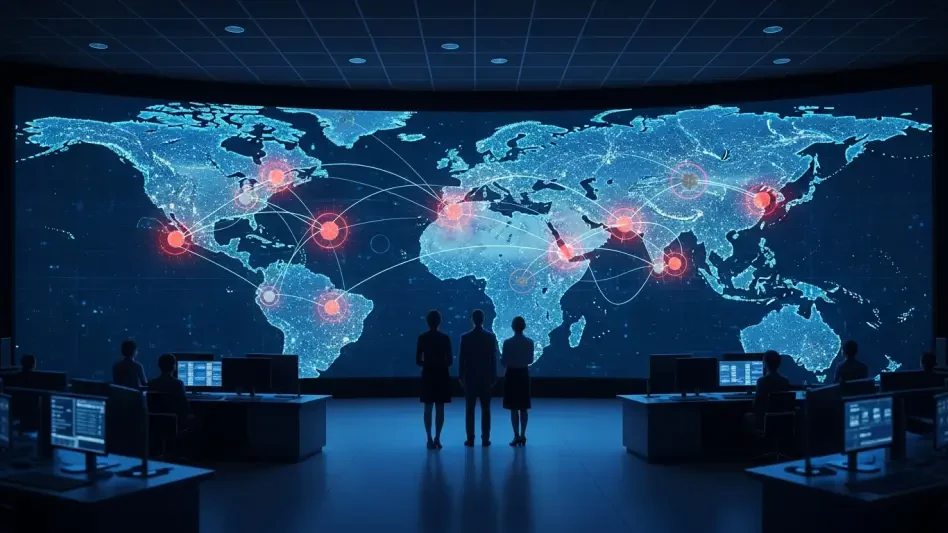
The realization that a single line of malicious code can paralyze a multi-billion-dollar production facility has transformed cybersecurity from a back-office IT concern into a frontline industrial priority. In the current landscape, the manufacturing sector stands as the primary target for global threat actors, outstripping financial services and healthcare in terms of attack frequency. This shift is not merely a trend but a fundamental change in the risk profile of global production lines, as smart factories increasingly bridge the gap between digital systems and physical machinery. Industry leaders now recognize that the transition to interconnected environments has created a landscape where the stakes are no longer just data loss, but the complete cessation of physical output.
The Digital Siege on Global Production Lines
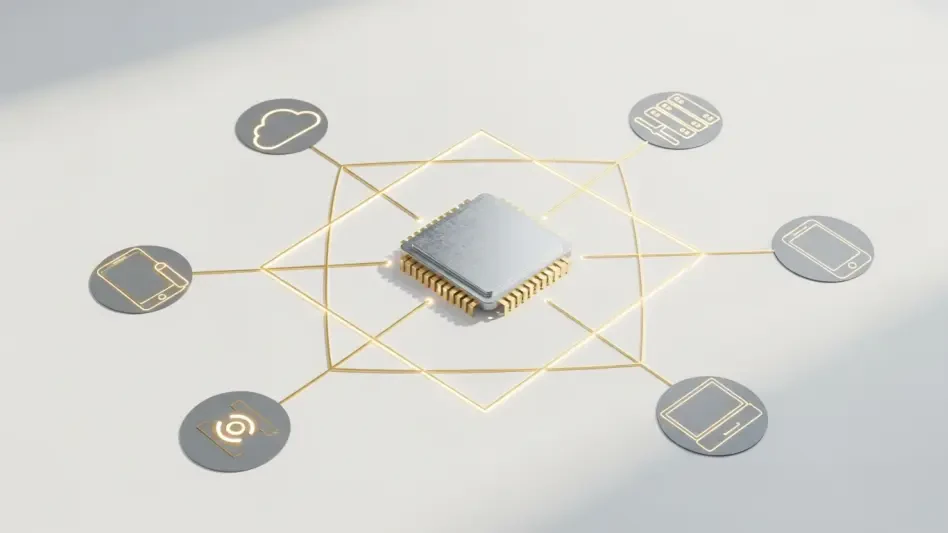
The evolution from isolated shop floors to hyper-connected smart factories has introduced an unprecedented level of efficiency, but it has also expanded the attack surface for cybercriminals. As manufacturers integrate sensors, cloud analytics, and remote monitoring, they unintentionally create pathways for external actors to bypass traditional security. This shift toward industrial digitalization means that every connected device is a potential entry point. Modern threat actors have taken note, focusing their efforts on production environments where the impact of a breach is most visible and immediate.
The manufacturing sector has remained the top target for cyberattacks for half a decade because it sits at the intersection of high-value assets and low tolerance for downtime. Unlike an office environment where a server reboot might be a minor inconvenience, a shutdown on a factory floor can cost millions of dollars per hour. This “uptime imperative” makes manufacturers particularly vulnerable to extortion, as the pressure to resume operations often outweighs the initial impulse to investigate the breach. Consequently, the industry is moving toward a strategic culture of industrial resilience, prioritizing the ability to withstand and recover from attacks rather than just trying to prevent them.
Deconstructing the Modern Manufacturing Vulnerability Map
The High Stakes of Proprietary Intelligence and Extortion
High-value intellectual property, such as proprietary designs and specialized chemical formulas, represents the lifeblood of modern manufacturing. Cybercriminals increasingly target these assets not just for direct theft, but as leverage in high-stakes ransomware negotiations. When a company’s core competitive advantage is held hostage, the financial and reputational risks become existential. Experts observe that the sophistication of these extortion tactics has evolved, with attackers often threatening to leak sensitive trade secrets if a ransom is not paid, adding a layer of corporate espionage to the traditional ransomware model.
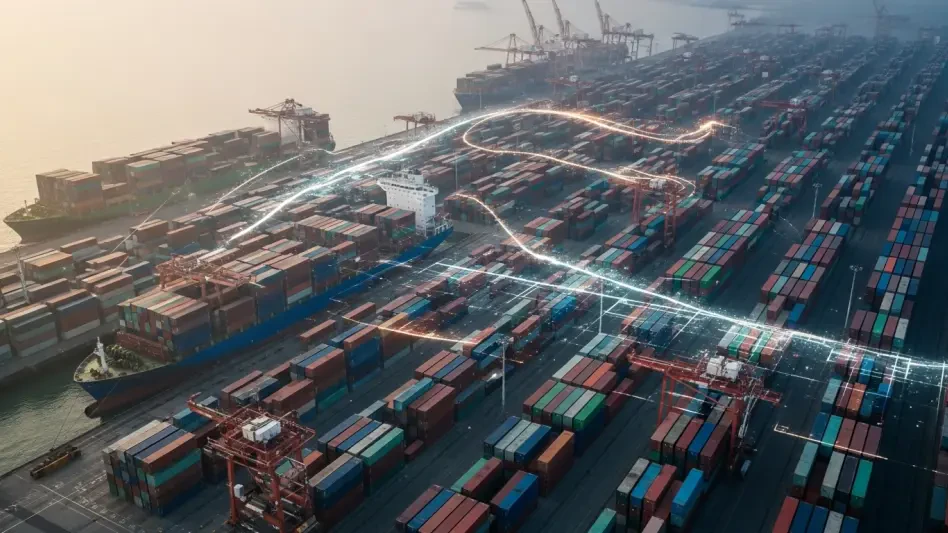
The staggering cost of operational downtime frequently forces leadership into difficult ethical and financial dilemmas. When production stops, the ripple effects move through the entire supply chain, affecting delivery schedules and contractual obligations. This creates a lucrative environment for hackers who understand that manufacturers are often more willing to pay a ransom than to endure weeks of forensic investigation. Balancing the need for 24/7 operations with the necessity of periodic security interruptions remains one of the most significant challenges for plant managers, who must find ways to secure systems without breaking the flow of production.
The Fragility of Legacy Systems in a Connected World
A significant portion of the vulnerability in manufacturing stems from the use of Industrial Control Systems (ICS) and Operational Technology (OT) that were never designed for the internet era. These legacy systems were built to last for decades, focusing on engineering reliability and physical safety rather than digital security. Today, these “dinosaurs” are often connected to corporate networks to facilitate data collection, leaving them exposed to modern exploits that they are fundamentally unequipped to handle. This “modernization debt” creates a scenario where hardware with a twenty-year lifecycle is expected to defend against software threats that change every hour.
The tension between long-term engineering cycles and the rapid-fire nature of software vulnerabilities makes patching a logistical nightmare. In many cases, updating the firmware on a critical piece of machinery requires a full system shutdown, which is often avoided to maintain output quotas. Furthermore, some legacy hardware is so old that the original manufacturers no longer provide security updates, leaving the equipment permanently vulnerable. Security professionals emphasize that as long as these aging systems remain the backbone of production, the risk of a catastrophic digital failure remains high.
Breaking the Silos Between IT and the Factory Floor
Historically, the corporate office and the production floor operated in two completely different worlds with separate management structures and security philosophies. This traditional separation allowed threats to dwell undetected in the gaps between the two environments. Today, however, hackers frequently use the corporate IT network as a staging ground. A simple phishing email directed at an accounting clerk can provide the initial access needed for an attacker to move laterally through the network until they reach the sensitive controllers that manage the assembly line.
Regional and industry-specific trends show a growing movement toward integrating these digital defense workflows. Forward-thinking manufacturers are dismantling the silos by creating unified security operations centers that monitor both business applications and industrial machinery. This integration allows for a more comprehensive view of the threat landscape, ensuring that an anomaly in the office network is investigated for its potential impact on the factory floor. By aligning the goals of IT professionals and plant engineers, organizations can identify and neutralize threats before they reach the critical infrastructure.
Beyond Passwords: The Identity Crisis in Industrial Security
The modern security perimeter is no longer a firewall; it is the identity of the user. Threat actors have shifted their tactics from “hacking in” via complex technical exploits to “logging in” using compromised credentials. This is particularly dangerous in manufacturing, where third-party vendors often have remote access to specific machinery for maintenance purposes. If a vendor’s credentials are stolen, an attacker gains a legitimate pathway into the heart of the production environment. Standard password-based authentication has proven insufficient against these identity-based attacks.
To combat this, many organizations are exploring AI-powered identity threat detection systems that can identify suspicious behavior in real-time. For instance, if a user logs in from an unusual geographic location or at an odd hour, the system can automatically trigger additional verification steps. Looking toward the future, the industry is moving toward zero-trust architectures within the supply chain. This approach assumes that no user or device should be trusted by default, regardless of whether they are inside or outside the network, requiring continuous verification for every access request.
A Blueprint for Fortifying the Manufacturing Frontier
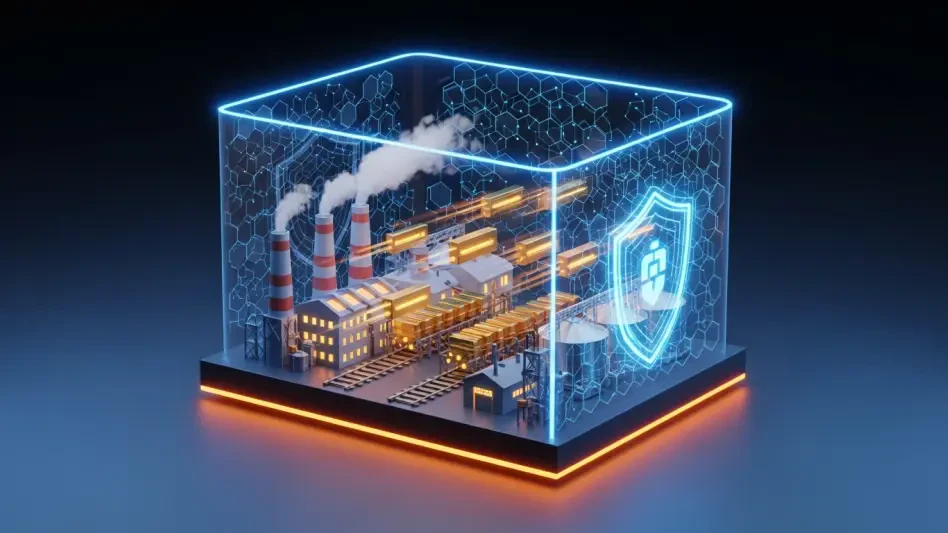
Building a resilient defense requires a combination of visibility and containment. Manufacturers must implement logical network segmentation, which acts like a series of firewalls within the internal network to prevent a breach in one department from spreading to others. If the corporate side of the business is compromised, segmentation ensures the production line remains isolated and protected. This visibility allows security teams to monitor data flows and identify the early signs of lateral movement, providing the opportunity to isolate infected segments before the damage becomes widespread.
Actionable strategies must also include threat-informed vulnerability management. Rather than trying to fix every minor software bug, organizations should prioritize patches for vulnerabilities that are actively being exploited in the wild. Additionally, cultivating “manual-mode” readiness is a critical, often overlooked aspect of resilience. This involves training the workforce to operate machinery and manage production processes without the aid of digital systems during a crisis. By maintaining the ability to revert to manual operations, a company ensures that a digital attack cannot completely strip away its ability to function.
Securing the Future of the Industrial Engine
The landscape of industrial production was fundamentally altered by the realization that cybersecurity is not a secondary IT expense but a core component of production health. Organizations that successfully navigated these challenges did so by acknowledging that digital resilience is a competitive advantage in an increasingly volatile market. Leadership teams began to view security investments through the lens of business continuity, ensuring that the integrity of the production line was as protected as the safety of the workers on the floor. This cultural shift encouraged a more proactive stance toward emerging threats, moving away from reactive patching and toward a holistic model of industrial safety.
Future considerations for the manufacturing sector involved the deeper integration of automated response systems and the standardization of security protocols across global supply chains. As threat actors became more sophisticated, the most successful firms were those that fostered a culture of continuous learning and adaptation. They treated every near-miss as a lesson and every successful defense as a baseline for the next challenge. Ultimately, the industry moved toward a state where the digital and physical aspects of manufacturing were treated as a single, unified entity, ensuring that the wheels of global production continued to turn despite the persistent threat of cyber interference.