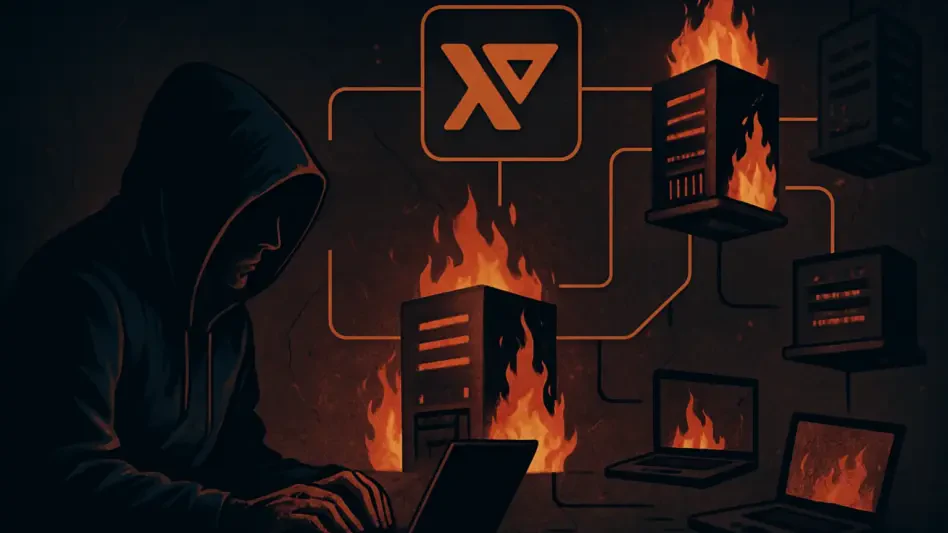

The quiet hum of a high-end corporate laptop often masks a silent war where the most dangerous weapons are not imported viruses, but the very administrative tools installed by the manufacturer. While global security teams are bracing for complex zero-day exploits, North Korean state-sponsored actors are successfully infiltrating high-value targets using nothing more than the native tools already resting on every employee’s desktop. Recent findings reveal a sophisticated shift in tactics where the threat is not a foreign piece of code, but the strategic weaponization of legitimate Windows processes. By turning a system’s own administrative utilities against it, these actors have moved from loud, detectable attacks to a “ghost-in-the-machine” approach that renders traditional antivirus software virtually blind.
This invisible intruder operates by blending into the background noise of daily digital operations. Instead of triggering alarms with recognizable malware signatures, these operatives manipulate the trust inherent in modern operating systems. For a security professional, distinguishing between a system administrator running a routine update and a foreign agent exfiltrating trade secrets has become an almost impossible task. This level of stealth ensures that by the time a breach is discovered, the attackers have often had months to map the internal network and siphon away proprietary data.
The Invisible Intruder Within the Corporate Network
The modern corporate network is no longer a fortress with a single gate, but a sprawling ecosystem of interconnected services where trust is the primary currency. North Korean groups have mastered the art of “living off the land,” a methodology that prioritizes the use of pre-installed software to carry out malicious tasks. By utilizing tools like PowerShell and Windows Script Host, these actors ensure that their footprints are indistinguishable from legitimate system maintenance. This shift toward non-binary-based attacks means that even the most expensive perimeter defenses can be bypassed without a single “bad” file ever crossing the firewall.
This strategy is particularly effective because it exploits the human element of IT administration. When a security alert flags a common Windows utility, the tendency for overworked analysts is to dismiss it as a false positive or a routine background task. This psychological blind spot provides the perfect cover for espionage. The attackers are not just hacking code; they are hacking the operational logic of the modern enterprise, ensuring their presence remains a permanent, albeit hidden, fixture of the corporate environment.
Why the Living off the Land (LotL) Shift Changes the Stakes
The evolution of North Korean cyber operations, particularly those attributed to groups like Kimsuky and Lazarus, marks a departure from traditional malware-heavy campaigns. This transition matters because it exploits the fundamental trust between a corporate network and its operating system. When attackers use “Living off the Land” (LotL) techniques, they bypass signature-based detection systems that are designed to look for “bad” files. Instead, they use “good” files—like PowerShell and WScript—to carry out malicious intent. For global enterprises and South Korean entities alike, this means that the very tools used for IT maintenance have become the primary vehicles for corporate espionage and data exfiltration.
Moreover, the shift toward LotL tactics reduces the cost and risk for the attacker. Traditional malware development requires significant resources and runs the risk of being captured and reverse-engineered by security firms. By using native Windows tools, North Korean actors can update their tactics in real-time without needing to compile new code. This agility allows them to stay one step ahead of defensive updates, turning the standard corporate software stack into a versatile and ever-changing armory for digital theft.
Anatomy of a Modern North Korean Infiltration
The current campaign targeting South Korean corporations utilizes a multi-layered execution chain designed to deceive both the user and the security system. It begins with the social engineering hook, where attackers utilize malicious LNK files disguised as “Hangul Documents” to trigger the initial infection. These files capitalize on regional document standards to lower the target’s guard, appearing as mundane business reports or policy updates. Once the user clicks, the trap is sprung, but the secondary stage of the attack is where the true sophistication lies.
Before fully deploying, the malicious scripts perform rigorous environmental awareness and evasion checks. They scan the host for analysis tools like Wireshark or x64dbg to ensure they are not running in a researcher’s sandbox. If the environment looks suspicious, the script simply disappears. To maintain the illusion of legitimacy, a decoy PDF is displayed to the user while the actual espionage script quietly establishes persistence via Windows Scheduled Tasks. This campaign prioritizes surveillance over sabotage, meticulously exfiltrating system data, OS build numbers, and active process lists to maintain a long-term presence.
Weaponizing Trusted Infrastructure and Expert Insights
Cybersecurity researchers have noted a sophisticated trend: the movement of command-and-control (C2) operations to reputable third-party platforms. By using private GitHub repositories for communication, attackers ensure their traffic is encrypted and appears as legitimate developer activity to network monitors. This creates a defensive vacuum where standard firewalls fail to flag malicious traffic because the destination is a trusted, global domain. It is a masterclass in hiding in plain sight, using the infrastructure of the tech industry to undermine the security of its players.
This “novel attack surface” represents a broader trend of weaponizing productivity platforms, requiring a complete rethink of how “trusted” traffic is scrutinized. Industry consensus suggests that the traditional model of whitelisting certain domains is no longer viable when those domains can be hijacked for C2 purposes. Security analysts emphasize that this represents a fundamental shift in the threat landscape. Organizations can no longer assume that traffic to a well-known site is safe, as the destination may be a legitimate host for an illegitimate command center.
Defensive Strategies Against Stealthy Script-Based Attacks
To counter these evasive North Korean tactics, organizations must shift their focus from looking for malicious files to identifying malicious behavior. Implementing behavioral analytics is the first line of defense, moving beyond signature-based detection to monitor for unusual PowerShell activity or unexpected WScript executions. If a marketing assistant’s laptop suddenly begins running complex administrative scripts at 3:00 AM, the system should treat this as a high-priority threat regardless of whether the tools being used are “official” Windows utilities.
Tightening execution policies and enhancing endpoint visibility are equally critical steps toward a more resilient posture. Organizations should restrict the use of administrative utilities for non-technical staff and implement strict execution policies for LNK and script files. Deploying Endpoint Detection and Response (EDR) solutions that can trace the lineage of a process is essential. These tools identified when a legitimate document suddenly triggered a background script or a scheduled task. Looking forward, the security community moved toward a zero-trust architecture that scrutinized every internal process, ensuring that “native” no longer equated to “safe.”