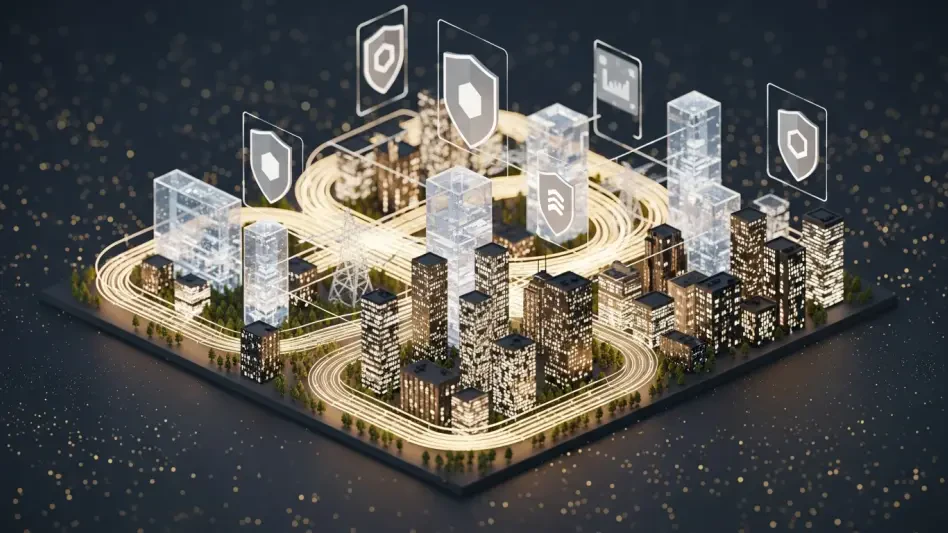

The silent vibration of a smartphone in a high-security briefing room now carries more destructive potential than a physical briefcase full of stolen blueprints. Modern intelligence has moved beyond the shadows of physical tailing and dead drops, evolving into a continuous digital presence that can dismantle a nation’s defense before a single shot is fired. This shift marks a fundamental change in how sovereignty is defined and defended, as the invisible architecture of the internet becomes the primary theater for global power struggles.
The Evolution of Digital Intelligence: From Data Theft to Kinetic Catalyst
Cyber operations have historically been viewed as a sophisticated form of library theft, where state actors siphoned off documents to gain a competitive edge. However, the current landscape reveals a transition toward “active” intelligence, where the goal is no longer just knowing a secret, but using digital access to trigger physical consequences. This evolution turns code into a precursor for military action, allowing adversaries to map out real-world vulnerabilities with surgical precision from thousands of miles away.
The “digital-physical blur” is the defining characteristic of this new era, where the success of a physical mission depends entirely on the depth of the preceding cyber infiltration. When an intelligence agency compromises a city’s traffic management system or a national power grid, they aren’t just looking for data; they are preparing the battlefield. This integration of virtual access into kinetic strategy means that national survival is now tied to the integrity of civilian infrastructure that was never originally built for warfare.
The Weaponization of Connectivity and the New Rules of Engagement
From Surveillance to Strikes: The Rise of Cyber-Enabled Kinetic Warfare
Compromising everyday civilian technology, such as public camera networks and telecommunications hubs, has become the gold standard for reconnaissance in high-stakes operations. By gaining persistent access to these systems, state actors can track the movements of high-value targets in real-time, effectively turning a city’s own infrastructure against its leaders. This method provides a level of detail that traditional human intelligence can rarely match, enabling precise airstrikes that are the direct result of long-term digital stalking.
Recent geopolitical tensions have highlighted a turning point where digital infiltration is the primary catalyst for lethal force. While traditional spying often focused on long-term political influence, modern cyber-enabled warfare seeks immediate, physical elimination of threats. This development raises profound ethical questions about the use of dual-use civilian technology, as the line between a municipal utility and a military targeting system becomes increasingly nonexistent.
Institutional Fragility: When the Watchers Become the Targets
The vulnerability of elite government bodies, including high-level law enforcement and federal investigative services, underscores the reality that no institution is impenetrable. Recent breaches involving unauthorized access to systems managing wiretaps and foreign intelligence warrants suggest a terrifying irony: the very tools used for legal oversight are being turned into backdoors for foreign adversaries. These incidents demonstrate that classified surveillance data is a high-priority target for counter-espionage efforts.
The competition to secure—or exploit—the tools of legal oversight has sparked a silent arms race between state-sponsored hackers and federal authorities. When a government’s internal network is compromised, the damage extends far beyond stolen files; it erodes the public’s trust in the state’s ability to protect sensitive investigative protocols. As these breaches become more frequent, the focus shifts toward securing the “watchers” themselves, who have found their own surveillance apparatus repurposed as a weapon against them.
The Human Element and the Irony of the State-Sponsored Actor
A significant shift is occurring in the demographic of the modern warrior, as the roles of traditional soldiers and digital defenders merge into a single, specialized personnel class. These individuals operate on the frontlines of a borderless war, yet they remain susceptible to the same mundane human errors that plague average internet users. The assumption of “state actor invincibility” is frequently challenged by instances where elite hackers fall victim to low-level malware, often through personal lapses like downloading pirated entertainment or unauthorized software.
These lapses prove that individual behavior remains the weakest link even within multi-million-dollar intelligence frameworks. A single moment of poor judgment by a highly trained operative can expose an entire state-sponsored infrastructure, revealing the identities and methods of a hidden digital army. Despite the sophistication of the tools being deployed, the “human-in-the-loop” remains a volatile variable that can inadvertently dismantle years of strategic planning through a single, careless click.
AI Integration and the Expanding Attack Surface of Innovation
The rush to integrate Artificial Intelligence into every facet of governance and industry has created a new set of vulnerabilities where the speed of deployment far outpaces security logic. In the race to adopt advanced APIs and cloud-based AI resources, essential protocols are often sidelined, leaving high-value credentials exposed to extraction. This creates a scenario where the very technology intended to enhance security and efficiency becomes a lucrative target for automated espionage.
Legacy software vulnerabilities continue to persist, but the novel threats posed by extractable API keys represent a more dynamic risk. As AI automation becomes more accessible, it allows smaller nations or non-state groups to execute sophisticated intelligence operations that were once the exclusive domain of global superpowers. This democratization of high-end cyber tools means that the global intelligence arena is becoming more crowded and unpredictable, as the barrier to entry for effective espionage continues to drop.
Strategic Defensive Measures for a Borderless Digital Landscape
A “Security by Design” mentality is no longer an optional framework but a necessity for surviving in a landscape where digital and physical assets are inseparable. Organizations must move toward a model that assumes breach and prioritizes the compartmentalization of high-value credentials. Implementing advanced vulnerability disclosure programs can help bridge the gap between independent researchers and corporate entities, ensuring that flaws are patched before they can be exploited by state-level actors.
International law enforcement cooperation serves as the most effective deterrent against the decentralized nature of modern cybercrime. By coordinating efforts across jurisdictions, authorities can dismantle the infrastructure that supports both criminal syndicates and state-sponsored proxies. Actionable strategies, such as the aggressive pursuit of domain seizures and the tracking of illicit cryptocurrency flows, are essential components of a proactive defense that seeks to disrupt the financial and technical foundations of global digital threats.
Navigating the Future of Sovereignty in a Transparent World
The reality that cyber espionage has permanently erased the boundary between digital infiltration and physical safety was a primary lesson from recent global events. Technical vigilance was no longer just a concern for IT departments; it became a core component of national defense and individual security. The shift in how intelligence was gathered and utilized demonstrated that a single line of code could indeed alter the course of history as effectively as any physical maneuver.
Resilience was sought through a proactive rethink of the hidden digital foundations that supported global stability. Leaders recognized that maintaining sovereignty required more than just physical borders; it demanded a robust, transparent approach to securing the networks that connect every aspect of modern life. By prioritizing the protection of civilian infrastructure and fostering international cooperation, the focus shifted toward building a world where connectivity was not synonymous with vulnerability.