
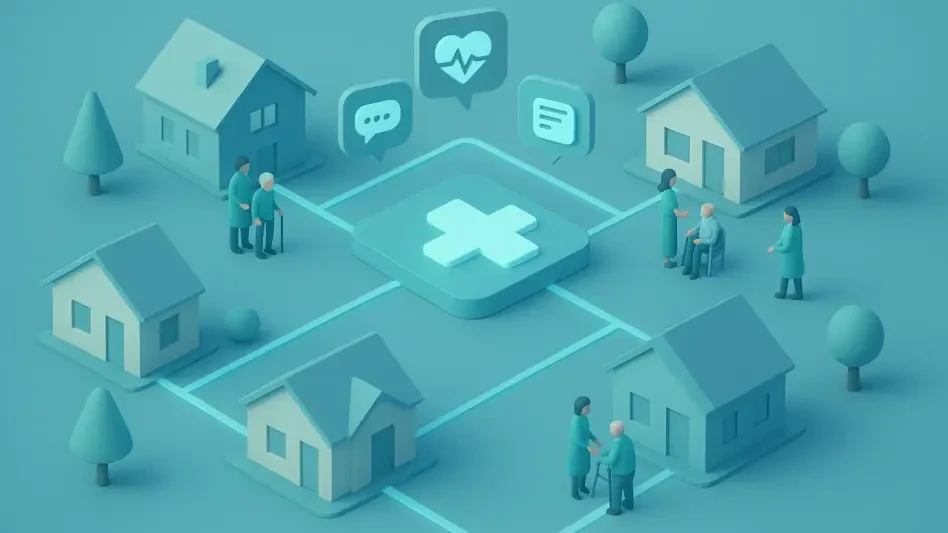
The evolution of Medicaid from a system of mandatory institutionalization to one that prioritizes community-based care began with the landmark 1981 case of Katie Beckett. This transformation marked a departure from the traditional medical model, which often sequestered individuals with disabilities in sterile hospital environments, regardless of their personal preferences or family support systems. Today, Home- and Community-Based Services (HCBS) represent the gold standard of care, reflecting a societal commitment to autonomy and dignity for millions of Americans. These programs allow the elderly and those with chronic conditions to age in place or receive specialized support within their own neighborhoods rather than in institutional settings. However, as the program continues to expand in the current landscape of 2026, it faces unprecedented pressure from rising demand and systemic vulnerabilities. Protecting this vital lifeline requires a nuanced understanding of its history and a rigorous approach to modernizing its oversight to prevent the erosion of service quality for those who depend on it most.
The Historical Shift Toward Community Empowerment
The modern framework of HCBS originated from a realization that the previous institutional bias was both inhumane and unnecessary for many Medicaid recipients. Before the early 1980s, the federal government would only reimburse medical care provided in nursing homes or hospitals, effectively forcing families to institutionalize their children or elderly relatives to receive financial assistance. The creation of the Section 1915(c) waiver fundamentally changed this dynamic by allowing states to bypass traditional requirements and fund care in private homes. This policy shift acknowledged that medical needs do not negate the human desire for social connection and community participation. In the decades following this legislative breakthrough, states have increasingly utilized these waivers to create tailored programs that support diverse needs, from intellectual disability services to physical therapy. This evolution has fostered a culture where independence is prioritized, yet the administrative complexity of managing thousands of individual care plans has created significant oversight challenges.
Beyond the clear moral imperatives, the economic argument for community-based care has become the cornerstone of Medicaid reform discussions in 2026. Data consistently shows that providing support in a home setting costs significantly less per person than maintaining a resident in a skilled nursing facility. These savings are theoretically supposed to allow states to serve a larger population with the same budget, yet the reality remains fraught with long waitlists and underfunded provider networks. Currently, hundreds of thousands of individuals across the country remain in a state of limbo, waiting for years to access the services they are legally eligible to receive. This paradox occurs because the financial efficiency of HCBS is often undermined by “leakage”—funds that are lost to administrative overhead or inefficient billing practices. If the system is to remain sustainable, policymakers must address the gap between the cost-saving potential of home care and the actual delivery of services to those on the margins of the healthcare system.
Combatting Systemic Fraud and Administrative Waste
Maintaining the integrity of HCBS requires a vigilant defense against the rising tide of fraud, waste, and abuse that threatens to deplete critical Medicaid reserves. Unlike institutional care, which occurs within a controlled environment, community services are delivered across thousands of private residences, making direct supervision difficult. Fraudulent activities, such as billing for “ghost” hours or exaggerating the level of care provided, siphon off millions of dollars that should be used to reduce waitlists. Waste and abuse are equally damaging, often manifesting as redundant administrative layers or provider practices that prioritize profit over the actual well-being of the recipient. When these issues go unchecked, the most vulnerable citizens suffer the consequences as the pool of available resources shrinks. Legislative efforts must focus on defining clear metrics for service delivery to ensure that every dollar spent by the taxpayer correlates with a tangible improvement in a recipient’s life. Without such rigor, the program risks losing public trust and financial viability.
The consequences of poor oversight extend far beyond financial loss, often resulting in direct harm to the individuals the program is designed to protect. Recent reports have highlighted instances where third-party agencies collected substantial Medicaid payments while failing to provide basic necessities or safe housing for their clients. In some cases, a lack of transparency in the contractor-state relationship has allowed bad actors to operate with impunity for years, leading to neglect and isolation for individuals with developmental disabilities. This “maze” of bureaucracy often leaves families without a clear channel for reporting grievances or seeking immediate intervention when care standards fall short. To protect the dignity of recipients, it is essential to dismantle the barriers that prevent effective monitoring of third-party providers. Accountability cannot be an afterthought; it must be woven into the very fabric of how HCBS contracts are awarded and managed. Ensuring that providers are held to high ethical standards is the only way to prevent the program from becoming a vehicle for exploitation rather than a tool for empowerment.
Implementing Technological and Policy Reforms
Modernizing Medicaid oversight involves leveraging advanced technological solutions to ensure that services are delivered as promised. Predictive data analytics and electronic visit verification (EVV) systems have emerged as essential tools for identifying suspicious billing patterns in real-time. By analyzing vast datasets, state agencies can now flag anomalies—such as a single provider claiming to be in two locations at once—before payments are even processed. These digital safeguards provide a layer of protection that was impossible in the early years of the HCBS program. Furthermore, the implementation of public dashboards that track waitlist numbers and expenditure data promotes a culture of transparency. When information is accessible to the public, it empowers advocates and families to demand better performance from state administrators. Federal oversight by the Centers for Medicare & Medicaid Services must also be strengthened to provide a safety net when state-level monitoring fails. By setting national benchmarks for care quality and financial integrity, the federal government can ensure a baseline of protection for all Medicaid recipients.
Shifting control of care arrangements directly into the hands of recipients and their families represents one of the most effective ways to naturally reduce fraud and improve service quality. When individuals are empowered to select their own support staff and review provider logs, the middleman is often bypassed, reducing the opportunity for administrative manipulation. This self-directed model of care encourages a more personalized approach, where the recipient’s specific needs and preferences dictate the allocation of resources. Moreover, states should focus on expanding the direct care workforce by offering competitive wages and better training, ensuring that high-quality caregivers are available to meet the growing demand. As the population continues to age through 2026 and beyond, the sustainability of the HCBS model will depend on its ability to adapt to changing demographics while maintaining fiscal responsibility. The focus must remain on outcomes rather than just expenditures, ensuring that the legacy of community-based care is one of constant improvement and unwavering commitment to the independence of the American people.
Future Considerations for Program Resilience
The transition toward a more resilient HCBS framework required a fundamental shift in how policymakers viewed the relationship between funding and outcomes. It became clear that simply increasing the budget was insufficient without a corresponding investment in the infrastructure of accountability. Effective reform strategies prioritized the integration of cross-agency data sharing, which allowed for a more holistic view of how Medicaid funds interacted with other social services. This integrated approach helped identify gaps in care and prevented the duplication of services, ensuring that resources were used as efficiently as possible. Furthermore, states that successfully modernized their programs often implemented “performance-based” reimbursement models, where providers were rewarded for achieving specific health and independence goals for their clients. This shifted the incentive from high-volume billing to high-quality care, fundamentally aligning the interests of the provider with the needs of the recipient. By treating HCBS as a dynamic ecosystem rather than a static benefit, authorities were able to build a more flexible and responsive system.
Ultimately, the preservation of community-based services depended on a sustained commitment to transparency and the active participation of all stakeholders in the reform process. Advocates and legislators worked together to establish rigorous auditing standards that targeted high-risk areas while streamlining the process for legitimate providers. These actions ensured that the program remained a viable option for those who sought an alternative to institutional life. Looking ahead from the current progress achieved between 2026 and 2028, the focus remained on expanding the reach of HCBS to rural and underserved areas where access had historically been limited. By investing in telehealth capabilities and mobile support units, states bridged the gap in service availability, ensuring that geography was no longer a barrier to receiving care at home. This proactive stance not only protected the financial health of the Medicaid program but also honored the dignity of every individual who wished to remain a part of their community. The journey toward a more perfect system was ongoing, but the foundational changes made today secured a brighter, more independent future for millions.