
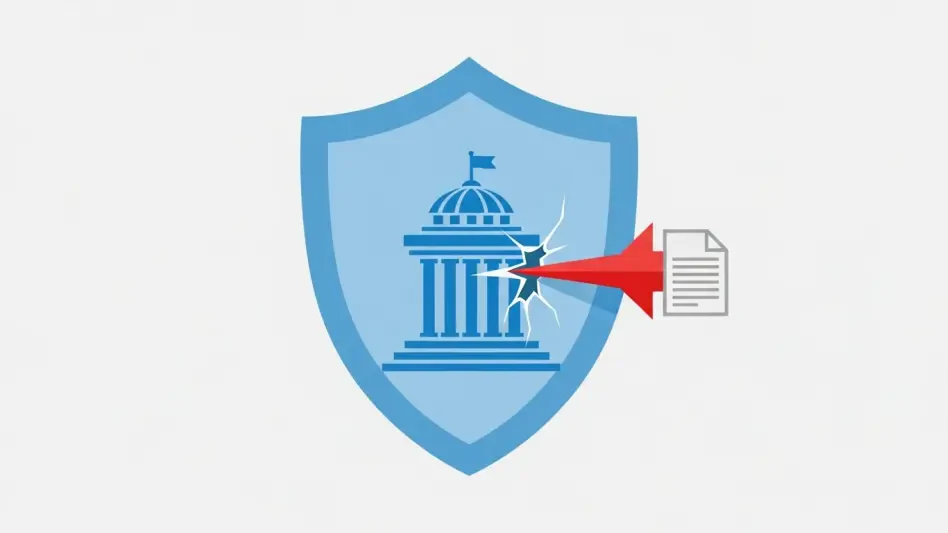
A highly sophisticated cyber-espionage operation has rapidly weaponized a significant vulnerability in the popular WinRAR file compression utility, launching targeted attacks against government entities just days after the flaw was publicly disclosed. Research has uncovered that a threat actor, identified as Amarath-Dragon, is behind the campaign, which leverages the newfound security hole to deploy advanced malware and establish a persistent foothold within sensitive networks. This swift operationalization of a publicly known vulnerability underscores a dangerous trend in modern cyber warfare, where the window between disclosure and exploitation is shrinking dramatically. The attackers are demonstrating a high level of preparation and resourcefulness, employing intricate social engineering tactics and custom infrastructure to ensure their attacks reach their intended targets while remaining undetected by conventional security measures. This incident serves as a critical reminder that even the most ubiquitous and trusted software can become a gateway for state-sponsored espionage activities.
Weaponizing a Common Compression Tool
At the heart of this espionage campaign lies a critical path traversal vulnerability, tracked as CVE-2025-8088, affecting the Microsoft Windows version of the WinRAR software. This specific type of flaw allows malicious actors to execute arbitrary code on a victim’s computer by deceiving them into opening a specially crafted archive file. Once the user interacts with the corrupted file, the exploit grants the attacker the ability to write files to any location on the system, bypassing standard security protocols. The Amarath-Dragon group has leveraged this access to deploy the Havoc Framework, a potent and versatile open-source Command and Control (C&C) platform. While Havoc is a legitimate tool used by penetration testers for security assessments, its open-source nature and legitimate applications make it particularly difficult for many antivirus and endpoint detection systems to flag as malicious. This dual-use capability allows the attackers to establish covert communication channels, secretly monitor user activity, and exfiltrate sensitive government information without raising alarms.
A Calculated Campaign of Espionage
The operation conducted by Amarath-Dragon exhibited a clear and deliberate focus on cyber-espionage, with its activities meticulously tailored to specific targets. The primary victims identified in this campaign were government institutions and law enforcement agencies situated in Southeast Asia, indicating a strategic interest in the region’s political and military affairs. To ensure a high success rate, the attackers employed sophisticated phishing emails containing lures that were carefully designed to be relevant and convincing to their targets. These lures often referenced localized events, such as official government salary announcements or other pertinent economic or military developments. Furthermore, the attack infrastructure was configured with precision, designed to interact only with victims from a predefined list of countries, thereby minimizing the risk of exposure and analysis by security researchers elsewhere. Check Point’s attribution of the campaign to Amarath-Dragon was based on the group’s tactics, techniques, and procedures, which showed a strong resemblance to APT 41, a well-known hacking collective linked to the Chinese state. This incident highlighted the urgent need for organizations, especially those in government and critical infrastructure, to prioritize immediate patching and enhance their monitoring for suspicious archive files as part of a comprehensive defense-in-depth security posture.