
Digital shadows cast by state-sponsored actors have grown increasingly sophisticated as recent federal investigations reveal a targeted campaign designed to infiltrate the personal devices of high-value targets through deceptive software clones. The FBI has identified a persistent threat actor group known as Handala Hack, which operates under the direction of the Iranian Ministry of Intelligence and Security. This organization specifically focuses on undermining the privacy of journalists, activists, and dissidents by masquerading as legitimate communication tools.
The objective of this exploration is to dissect the technical methods used by these hackers and provide a clear understanding of the risks involved. Readers will learn about the specific malware deployed, the psychological tactics used to gain access, and the broader implications for international cybersecurity. By analyzing the intersection of social engineering and technical exploitation, this article highlights the evolving nature of Iranian state-sponsored cyber-espionage.
Key Questions Regarding the Handala Hack Operation
Which Specific Tactics Do These Hackers Use to Infiltrate Systems?
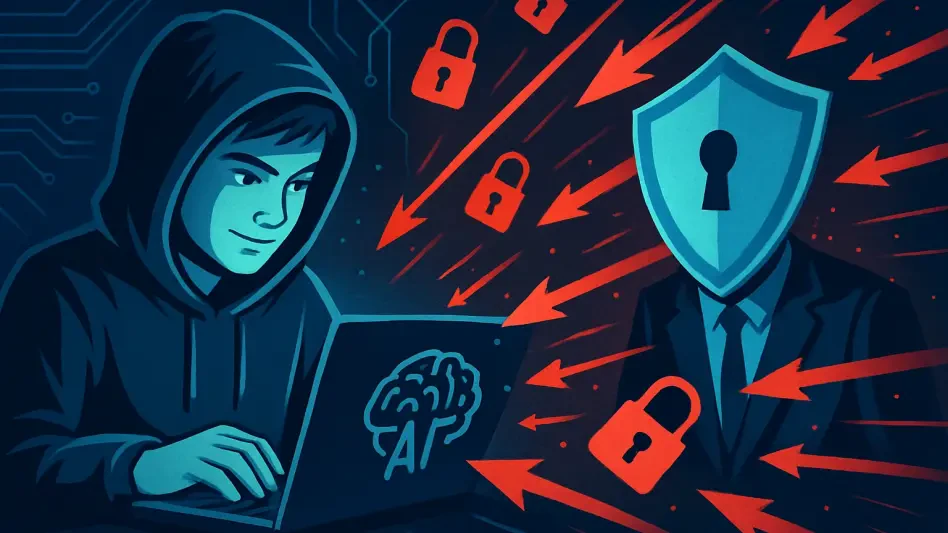
Modern cyber-espionage often relies more on human psychology than technical vulnerabilities, as attackers find it easier to trick a user than to break a firewall. Handala Hack has mastered the art of social engineering by posing as trusted technical support representatives or established contacts within professional circles. They leverage these false identities to build rapport with victims before delivering a payload that appears to be a routine software update or a necessary security patch.
The group specifically targets Windows users by distributing compromised versions of popular applications such as WhatsApp, Telegram, and KeePass. These clones are nearly indistinguishable from the official versions, making it difficult for even tech-savvy individuals to spot the deception. Once a user downloads and installs one of these malicious files, the hackers gain a foothold in the system, allowing them to monitor communications and steal sensitive data without raising any immediate alarms.
What Capabilities Does the MicDriver Tool Provide for Espionage?
The discovery of specialized surveillance software has provided investigators with a disturbing look into the level of intrusion these actors can achieve. A primary component of the Iranian toolkit is a spying utility known as MicDriver, which is engineered to operate silently in the background of a compromised machine. Unlike traditional viruses that might slow down a computer, this malware is optimized for stealth to ensure long-term access to the victim’s environment.
MicDriver is particularly dangerous because of its ability to record audio and capture screen data during video conferences, specifically targeting platforms like Zoom. By intercepting these live interactions, the threat actors can gather intelligence on private meetings and sensitive discussions that were never intended to be recorded. Furthermore, the hackers often deploy secondary tools like Winappx.exe to exfiltrate documents and personal files directly to their command-and-control servers for further analysis.
How Extensive Is the Impact of These Destructive Cyberattacks?
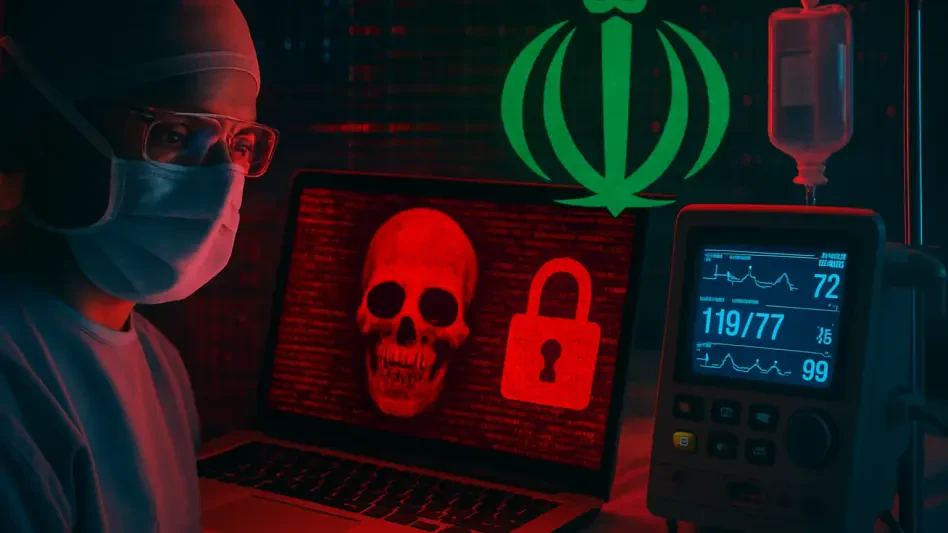
While individual surveillance remains a core goal, the scope of these operations often expands toward large-scale disruption and financial damage. Handala Hack has been linked to significant breaches involving global corporations, demonstrating that their reach extends far beyond individual activists. These incidents often involve the use of custom wiper malware, which is designed to delete critical data and render systems completely unusable for the victimized organization.
One prominent example of this destructive capability was the breach of the medical firm Stryker, where the group claimed to have compromised over 200,000 systems. Such attacks illustrate a shifting trend where Iranian state-sponsored actors blend traditional espionage with high-impact extortion and data theft. This dual approach allows them to gather intelligence while simultaneously causing chaos and undermining the operational integrity of major entities across the globe.
Summary of the Federal Threat Assessment
The current landscape of international cyber-warfare suggests that Iranian threat actors are becoming more aggressive in their pursuit of sensitive information. Federal investigators emphasize that the combination of social engineering and advanced malware creates a complex challenge for individual users and organizations alike. Staying informed about the specific identities used by these groups, such as the Homeland Justice persona, is vital for recognizing potential phishing attempts before they lead to a full system compromise.
Maintaining a strong defense requires more than just passive awareness; it necessitates the active implementation of security protocols. Experts recommend that all software be sourced exclusively from official developer websites and that multi-factor authentication be applied to every sensitive account. Keeping operating systems up to date ensures that the latest security patches are in place to block the specific vulnerabilities exploited by tools like MicDriver and its associated payloads.
Final Thoughts on Maintaining Digital Resilience
The investigations conducted by federal agencies provided a sobering reminder of how vulnerable personal digital spaces remained when faced with state-sponsored persistence. Users who took the time to verify the origins of their communication tools often avoided the traps set by Handala Hack. Those who prioritized security updates and skeptical evaluation of unsolicited support messages successfully shielded their data from the invasive MicDriver malware.
A collective commitment to cybersecurity best practices proved to be the most effective way to neutralize these deceptive maneuvers. By focusing on verified sources and robust authentication, individuals protected their privacy against the sophisticated efforts of the Ministry of Intelligence and Security. This proactive approach ensured that the tactical advantages sought by international hackers were systematically dismantled through vigilance and technical discipline.