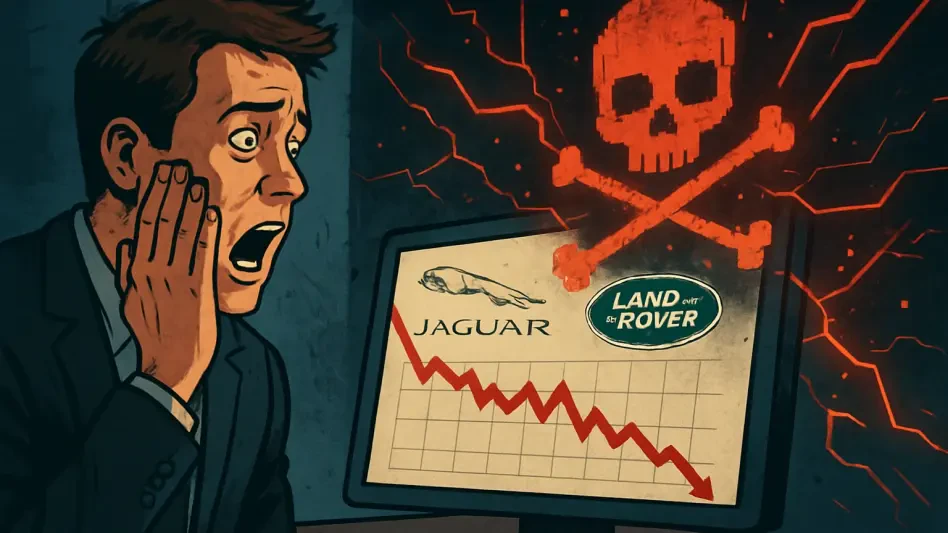
The recent cyber-attack on Jaguar Land Rover serves as a stark illustration of how a single digital vulnerability can trigger catastrophic real-world operational failure, sending shockwaves through the entire automotive industry. What began as a breach in cyberspace quickly escalated into a logistical nightmare, crippling production and causing the luxury automaker’s third-quarter sales to plummet, demonstrating the new reality of interconnected risk.
The Road to Vulnerability An Industry in Digital Transition
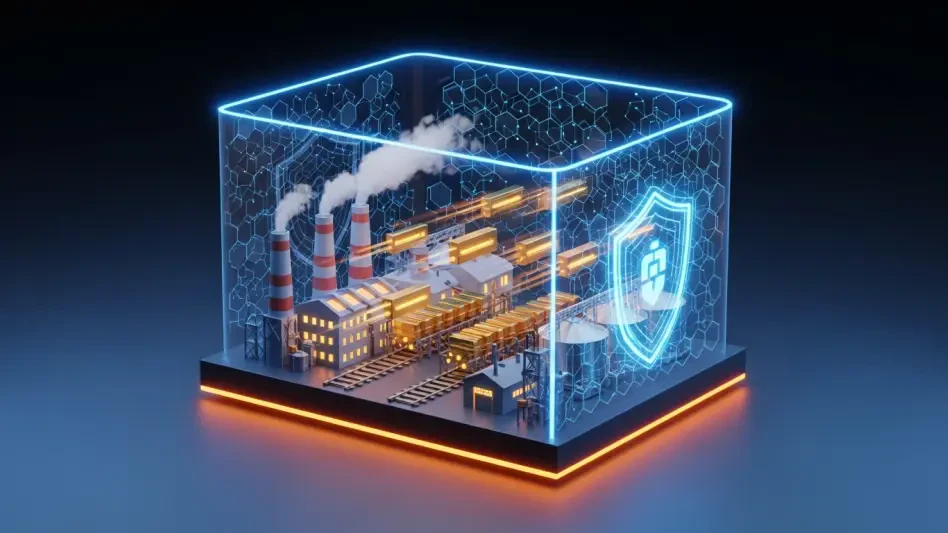
Jaguar Land Rover, mirroring a broader industry trend toward electrification and smart factories, has aggressively integrated digital technologies into its operations. This rapid transformation, while innovative, also created a vast and often under-protected digital attack surface. Interconnected production lines and global supply chains, once a source of efficiency, became a prime target for malicious actors.
Deconstructing the Attack and Its Cascading Impact
From Production Halt to Showroom Void
The attack’s most immediate consequence was the paralysis of JLR’s just-in-time manufacturing processes. This sudden production halt had a direct and quantifiable impact on the company’s Q3 performance, leaving dealerships with depleted inventories and unable to meet strong consumer demand for key models, directly translating a digital breach into lost revenue.
The Supply Chain’s Weakest Link Breaks the Chain
This incident brutally exposed a fundamental weakness not just within one company but across the entire automotive ecosystem: the insecure third-party supply chain. Reports suggest the breach originated with a critical supplier, creating a catastrophic domino effect that proves a company’s cybersecurity is only as strong as its weakest partner.
Beyond the Balance Sheet The Erosion of Brand Trust
While financial losses are staggering, the long-term damage to JLR’s brand reputation may be even more costly. For a luxury brand where reliability and quality are paramount, a high-profile failure of this magnitude erodes consumer confidence and proves that cybersecurity is a core business function integral to maintaining brand equity.
Charting a New Course for Automotive Cybersecurity
The JLR crisis is a watershed moment, accelerating a necessary industry-wide evolution from reactive compliance to proactive, threat-driven strategy. Emerging trends now include the widespread adoption of “secure-by-design” principles and Zero Trust network models, as tightening regulatory standards mandate more stringent security measures and greater collaboration.
Actionable Insights and Strategic Imperatives
The primary takeaway from this disaster is the undeniable link between cybersecurity and business continuity. Digital resilience is no longer an option but a prerequisite for survival. For business leaders, the imperative is to elevate cybersecurity to a board-level priority and implement a multi-layered defense strategy that includes robust vetting of all supply chain partners.
The Inescapable Intersection of Silicon and Steel
The crippling attack on Jaguar Land Rover is a cautionary tale for the global manufacturing sector, demonstrating that operational resilience is now inextricably tied to digital security. As vehicles and factories become more connected, the attack surface will only expand. This event is a catalyst, forcing the industry to treat cybersecurity not as a cost but as a core pillar of production and brand integrity.