
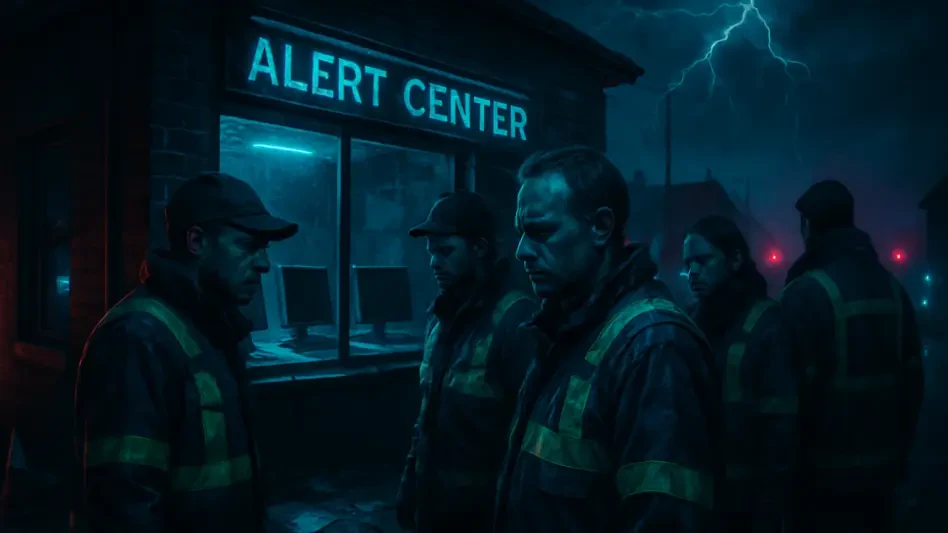
When a system built to save lives during emergencies becomes the epicenter of a cyber crisis, the stakes couldn’t be higher. Picture a small town bracing for a tornado, waiting for urgent alerts that never come because the very platform trusted to deliver them has been crippled by ransomware. This isn’t a hypothetical scenario but a chilling reality for countless communities across the nation as OnSolve CodeRED, a vital emergency notification system, has shut down permanently after a devastating data breach. The fallout from this attack exposes not just the vulnerability of critical infrastructure but also the urgent need to safeguard tools that protect public safety.
Why this breach shakes trust in emergency systems
The significance of CodeRED’s shutdown cannot be overstated. For years, this platform has been a lifeline for law enforcement and municipalities, delivering time-sensitive alerts during disasters like wildfires, floods, or active shooter situations. Its sudden collapse leaves a gaping hole in emergency communication, affecting dozens of agencies that relied on its speed and reliability. Beyond the immediate disruption, the incident raises profound questions about the security of systems integral to public well-being. If a platform as crucial as this can be targeted, what does it mean for the broader landscape of critical infrastructure?
A digital ambush: The ransomware attack unveiled
The breach that led to CodeRED’s demise was no random act of malice. An organized cybercriminal group executed a targeted ransomware attack, infiltrating the system and stealing sensitive data, including names, addresses, email addresses, phone numbers, and passwords of countless users. The group, identified as INC ransomware, brazenly claimed responsibility by listing OnSolve on its data leak site, amplifying the humiliation of the breach. This wasn’t just a technical failure; it was a calculated assault on a system meant to protect communities at their most vulnerable moments.
The immediate aftermath saw jurisdictions across the country grappling with a communication blackout. For nearly two weeks, agencies were left without access to CodeRED, scrambling to find alternative ways to warn residents of impending dangers. In Colorado, the Douglas County Sheriff’s Office took the drastic step of terminating its contract with the service, citing the severity of the breach as a breach of trust too deep to repair. Such decisions reflect the profound ripple effects of this cyberattack on real-world emergency readiness.
Voices of frustration and concern emerge
From the frontlines, reactions to the crisis paint a picture of betrayal and urgency. Crisis24, the company overseeing CodeRED, issued a statement expressing deep regret over the breach and pledged unwavering support to affected customers during this turbulent period. Yet, for many agencies, apologies fall short. Representatives from impacted jurisdictions, including Douglas County, voiced frustration over the disruption, emphasizing how the downtime jeopardized their ability to respond swiftly to crises. Their concerns highlight a broader anxiety about relying on digital systems in life-or-death scenarios.
Beyond local reactions, industry experts point to a troubling trend. Cybersecurity reports indicate a sharp rise in ransomware attacks on critical infrastructure, with a staggering 37% increase in such incidents over the past two years from 2025 onward. This statistic underscores the growing audacity of cybercriminals who see public safety systems as lucrative targets. Meanwhile, law enforcement has launched an investigation into the breach, signaling the gravity with which authorities are treating this violation of a public trust.
Crisis24’s battle plan: Response and recovery efforts
In the wake of the attack, Crisis24 has moved quickly to mitigate risks for users. Affected individuals are strongly advised to update passwords immediately, particularly if those credentials are reused across other accounts. Vigilance against phishing attempts or suspicious communications tied to the leaked data is also critical, as cybercriminals often exploit such information for further scams. These steps, while necessary, are a stark reminder of the personal toll this breach exacts on those who trusted the platform.
Strategically, Crisis24 was already in the process of developing a new CodeRED platform before the attack struck, one that operates in a separate, unaffected environment. The company has now accelerated the rollout of this system, working to transition all customers to ensure continuity of emergency alerts. Alongside this, a comprehensive security audit, supported by third-party penetration testing, is underway to confirm that the breach was confined to the legacy system and to fortify defenses against future threats. These measures aim to rebuild confidence in a service that has been shaken to its core.
The bigger picture: Securing the future of critical systems
The implications of this incident stretch far beyond a single platform. Agencies and municipalities now face the daunting task of reevaluating their reliance on digital emergency notification systems. Exploring alternative providers or implementing additional security layers, such as multi-factor authentication and regular system audits, becomes imperative. Collaboration between service providers, customers, and cybersecurity experts is no longer optional but essential to protect against the evolving sophistication of cyber threats.
Reflecting on the chaos that unfolded, it became evident that the ransomware attack on CodeRED was a turning point for many. It exposed vulnerabilities that had long been ignored and forced a reckoning with the fragility of digital tools in public safety. As Crisis24 worked to migrate users to a new platform and law enforcement delved deeper into the breach, the incident served as a harsh lesson. Moving forward, the focus had to shift toward proactive measures—stronger safeguards, better training, and a unified commitment to fortify critical infrastructure against the relentless tide of cyberattacks. Only through such diligence could trust be restored and communities protected in times of dire need.