The global academic community has witnessed a sophisticated surge in cyberespionage activities originating from state-sponsored actors in China, specifically focusing on the internal communication hubs of research-intensive universities. These entities recognize that the digital infrastructure of higher education institutions often lacks the hardened perimeter defenses found in defense or financial sectors, making them ideal entry points for harvesting intellectual property. By gaining unauthorized access to mail servers, attackers can monitor ongoing scientific developments, secure sensitive partnership data, and potentially influence the direction of international academic collaboration. This persistent threat highlights a critical shift in how information warfare is conducted, moving from the direct theft of classified documents to the quiet extraction of foundational research. As institutions continue to digitize, the risk of exfiltration remains a primary concern for administrators protecting years of groundbreaking inquiry.
Technical Tactics: Vulnerabilities and Exploitation
Security Deficiencies in Legacy Email Systems
Security researchers have identified that the primary method of entry involves exploiting unpatched vulnerabilities within older versions of Microsoft Exchange and other mail hosting platforms. These attackers frequently utilize a combination of credential harvesting and zero-day exploits to bypass traditional authentication layers and gain administrative control over the mail environment. Once inside, they deploy custom scripts designed to intercept specific keywords related to semiconductor research, quantum computing, and biotechnology. The precision of these operations suggests an organized effort to map out internal hierarchies, allowing the actors to identify key personnel whose communications hold the most value. Building on this foundation, the attackers establish persistent backdoors that allow them to maintain access even after initial security updates are applied. This level of persistence ensures that the data flow remains constant, providing a steady stream of intelligence that bypasses conventional detection tools.
Strategic Data Exfiltration and Lateral Movement
The complexity of these attacks is further magnified by the use of obfuscated command-and-control servers that mimic legitimate academic traffic patterns, making the intrusion nearly invisible to standard network monitoring. By blending in with the high volume of daily university communications, the hackers can move laterally across the network to access connected databases and personal storage drives. This lateral movement is often facilitated by the shared nature of university accounts, where a single set of compromised credentials can provide access to multiple disparate systems across the campus. Furthermore, the use of automated exfiltration tools allows for the rapid removal of large datasets during periods of low network activity, such as holidays or late-night hours. This strategic timing minimizes the chance of real-time intervention by security operations centers. The integration of such tactics demonstrates a deep understanding of the unique operational rhythms found within the academic landscape.
Implementing Zero-Trust Architectures
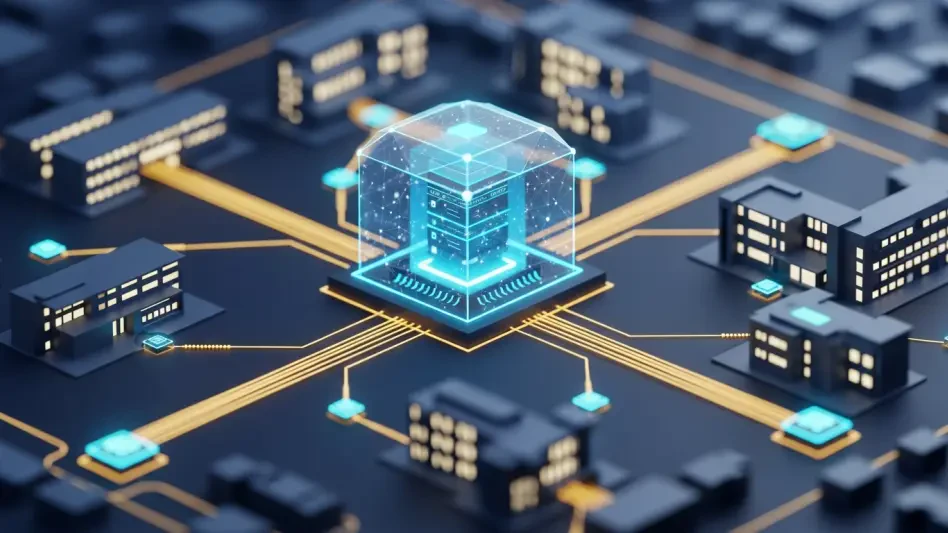
In the aftermath of these incidents, institutions moved toward a zero-trust architecture to better safeguard their digital environments and research assets. This transition involved the mandatory implementation of multi-factor authentication across all faculty and student accounts, alongside the deployment of advanced endpoint detection systems that utilized machine learning to identify anomalous behavior in real time. Administrators also initiated comprehensive training programs to educate staff on the nuances of sophisticated phishing attempts and the importance of secure communication protocols. Collaborative efforts between governmental intelligence agencies and academic bodies were strengthened to facilitate the rapid sharing of threat indicators. By treating cybersecurity as a core component of the institutional mission, universities established a more resilient framework. These proactive measures were complemented by regular audits of third-party vendors and cloud service providers to ensure all links in the data chain met rigorous security standards.