
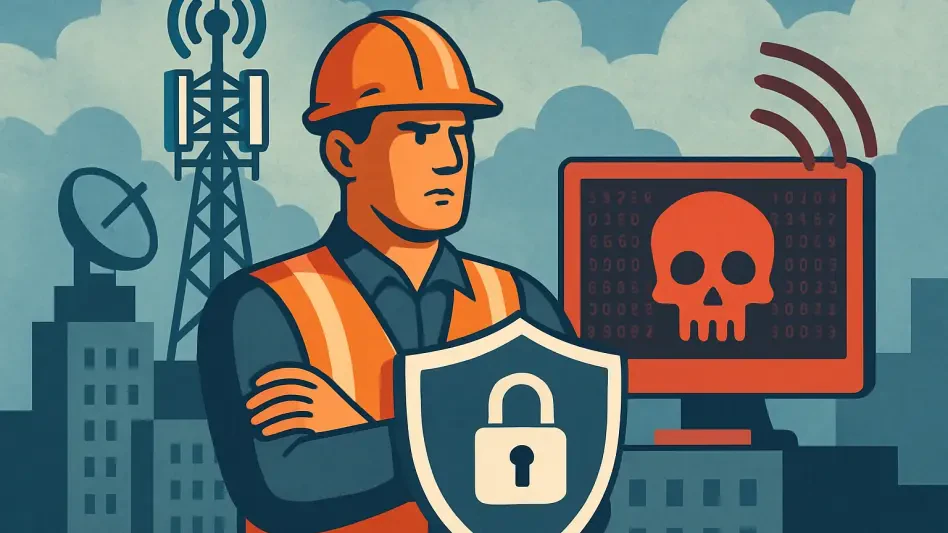
The digital nervous system of the nation, our telecommunications infrastructure, is increasingly finding itself in the crosshairs of sophisticated cybercriminals who demand a high price for its continued operation. A recent and stark warning issued by the Federal Communications Commission (FCC) has brought this vulnerability into sharp focus, raising critical questions about the security of the networks that underpin modern life. The alert underscores a pressing reality: ransomware is no longer a distant threat but an active and escalating campaign against a sector vital to national security and public safety.
This article aims to dissect this complex issue by exploring the key questions surrounding the telecommunications industry’s preparedness for these cyber threats. By examining the nature of the danger, the specific vulnerabilities of the sector, and the ongoing debates about the best path forward, readers can gain a clearer understanding of the challenges at hand. The following sections will delve into the specifics of the FCC’s concerns, the recommended countermeasures, and the broader political and strategic context shaping the response to this digital siege.
Key Questions or Key Topics Section
Why Is the FCC Sounding the Alarm on Ransomware Now
The recent alert from the FCC’s Public Safety and Homeland Security Bureau is not a routine advisory but a direct response to a clear and present danger. The commission has become acutely aware of a significant uptick in disruptive ransomware incidents over the past year, creating a pattern of escalating risk that can no longer be ignored. This is not a theoretical problem; it is a trend marked by real-world attacks that have caused tangible harm, from service disruptions to the exposure of sensitive customer data.
At the heart of the FCC’s warning is troubling data indicating that the frequency of these attacks is accelerating rapidly. The alert highlights a fourfold increase in ransomware incidents targeting telecom firms globally between 2022 and 2025. This surge is particularly impacting small-to-medium sized communications companies, which may lack the robust cybersecurity resources of larger corporations. These smaller providers are essential to the nation’s connectivity, and their compromise can have cascading effects on the communities and businesses they serve.
What Makes the Telecom Sector a Prime Target for These Attacks
Telecommunications networks are an exceptionally attractive target for ransomware gangs due to their critical role in the functioning of society. An attack that cripples a telecom provider does more than just disrupt phone calls or internet access; it can sever lifelines for emergency services, paralyze business operations, and compromise national security communications. This high-impact potential gives attackers significant leverage when demanding ransoms, as the pressure to restore services quickly is immense.
Moreover, the technical landscape of the industry presents unique vulnerabilities. Many networks are a complex patchwork of modern and legacy systems, with older components that are often poorly maintained and difficult to secure. This complexity creates numerous potential entry points for attackers. The issue is compounded by reliance on vast and intricate supply chains. As the FCC notes, many intrusions originate not from a direct assault on the telecom company itself, but through a breach at a third-party vendor, making comprehensive security a formidable challenge.
What Steps Are Being Recommended to Defend Against Ransomware
In its alert, the FCC has moved beyond simply raising awareness and has outlined a comprehensive strategy for defense. The recommendations focus on proactive and preventative measures designed to harden networks against attack. Foundational best practices include the diligent and regular patching of all systems to close known vulnerabilities, the implementation of multifactor authentication to prevent unauthorized access, and the use of network segmentation to contain any breach that does occur, preventing it from spreading across the entire system.
The guidance also emphasizes the importance of resilience and response planning. The commission strongly advises companies to conduct regular and isolated data backups, ensuring that critical information can be restored without paying a ransom. This is coupled with a call for robust cybersecurity training for all employees, who are often the first line of defense against phishing and other social engineering tactics. Furthermore, providers are urged to develop and actively test their incident-response plans so that there is a clear and effective protocol to follow when an attack happens, including how to report the incident to the FCC and FBI.
Is This Purely a Technical Problem or Are There Policy Debates at Play
The challenge of securing telecommunications infrastructure extends far beyond technical fixes and into the realm of public policy and regulation. The 2024 disclosure of the “Salt Typhoon” campaign, where Chinese state-sponsored hackers breached numerous U.S. telecom firms, elevated the issue to one of national security, prompting a more intense political debate over who is responsible for enforcing cybersecurity standards. This has created a significant divergence in opinion on how to best protect this critical sector from foreign adversaries and criminal organizations.
This policy split is evident in Washington. On one side, Senator Ron Wyden has been a vocal proponent of stricter accountability, pushing for the FCC to impose mandatory cybersecurity requirements on telecom companies rather than just offering recommendations. He has gone so far as to call for a Department of Justice investigation into firms that may have violated their legal obligations to protect customer data. In contrast, the Trump administration took a different approach in November, abandoning a Biden-era policy that would have increased these cybersecurity obligations. This ongoing debate highlights a fundamental disagreement over whether the industry can be trusted to police itself or if federal enforcement is necessary to ensure national security.
Summary or Recap
The escalating threat of ransomware against U.S. telecommunications providers presents a multifaceted challenge that demands immediate and sustained attention. The FCC’s recent alert serves as a critical wake-up call, highlighting a dramatic increase in attacks that threaten not only individual companies but also the nation’s economic and security interests. The vulnerabilities are clear, stemming from both the critical nature of telecom services and the technical complexity of the underlying infrastructure.
In response, a clear framework of best practices is available, focusing on proactive defense, employee training, and robust incident response. These measures, ranging from system patching to network segmentation, provide a viable roadmap for mitigating risk. However, the path forward is complicated by an ongoing policy debate regarding the role of government regulation versus industry self-governance. Ultimately, securing this vital sector requires a concerted effort from both private industry and public policymakers to close security gaps and build a more resilient communications network.
Conclusion or Final Thoughts
The examination of the ransomware threat to the U.S. telecommunications sector revealed a clear and pressing vulnerability at the heart of the nation’s digital infrastructure. The industry’s response to this challenge, guided by federal recommendations, was a crucial first step, but the underlying policy disagreements suggested that a comprehensive, long-term solution had not yet been solidified.
Looking back, the dialogue prompted by the FCC’s warning was essential in moving the issue from a technical concern to a national priority. The situation ultimately compelled stakeholders to consider a hybrid approach, blending industry-led innovation with enforceable baseline security standards to protect the vital communication networks upon which everyone depends.