
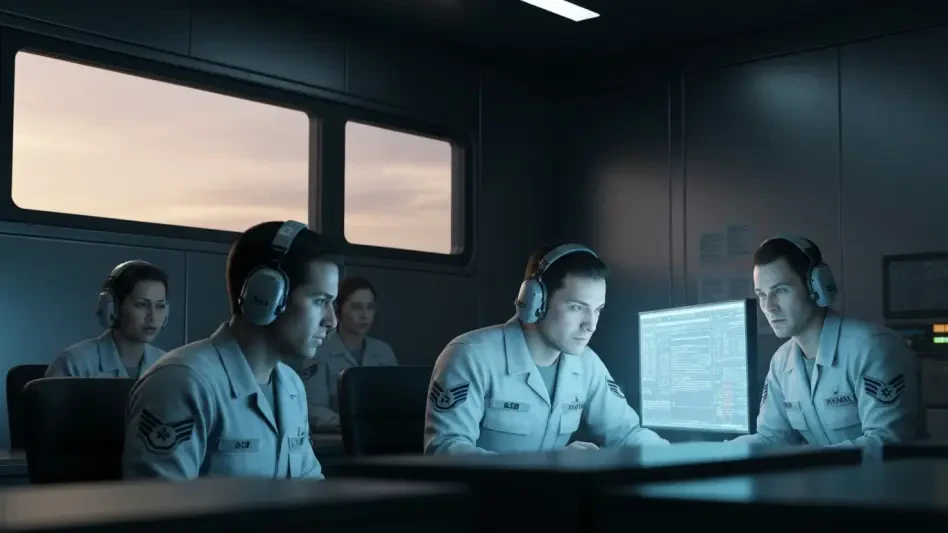
In an era where digital battlegrounds are as critical as physical ones, the U.S. Air Force Reserve has taken a bold step forward by unveiling a groundbreaking unit dedicated to offensive cyber operations. This development, under the banner of the 16th Air Force, also known as Air Forces Cyber, signals a strategic pivot to meet the escalating demands of modern warfare. With cyber threats growing in sophistication and frequency, the establishment of the 98th Cyberspace Operations Squadron (COS) represents a crucial effort to safeguard national security through proactive defense measures. Moreover, alongside this cyber initiative, the Air Force Reserve is bolstering its global deployment readiness with an additional Combat Communications Squadron. These moves highlight a dual focus on retaining specialized talent and enhancing operational capacity, addressing critical gaps in expertise amid a shortage of active-duty personnel. As military needs evolve, such adaptations underscore a commitment to staying ahead in an increasingly complex threat landscape.
Pioneering Cyber Warfare with the 98th Cyberspace Operations Squadron
The activation of the 98th Cyberspace Operations Squadron marks a historic milestone for the Air Force Reserve, establishing its first-ever unit solely focused on offensive cyber operations. Based at Joint Base San Antonio under the 960th Cyberspace Wing, this squadron of approximately 50 fully qualified airmen brings a wealth of experience from prior active-duty service. These individuals, having undergone extensive and costly training, are a valuable asset the military cannot afford to lose. The decision to create a part-time role for them ensures their skills remain sharp and available for critical missions, even after transitioning out of full-time service. Col. Joshua Garrison, commander of the 960th Cyberspace Wing, has emphasized the importance of retaining this expertise, noting the significant investment in each airman. While the specifics of their missions remain classified, the sensitivity of their work highlights the trust placed in these seasoned operators to counter digital threats effectively.
Following a successful 12-month trial with a smaller detachment, the Air Force Reserve confirmed that part-time airmen could maintain the high level of proficiency required for offensive cyber operations. This pilot program paved the way for the permanent establishment of the 98th COS, demonstrating that flexibility in staffing does not compromise mission readiness. The transition from active duty to Reserve status often risks losing specialized talent to the private sector, but this initiative offers a structured path for continued contribution. By integrating these skilled professionals into a dedicated squadron, the Air Force ensures a robust defense against adversaries in the cyber domain. Furthermore, this model could serve as a blueprint for other branches grappling with similar retention challenges. As cyber warfare becomes a cornerstone of military strategy, such innovative approaches to talent management are vital for maintaining a competitive edge in an unseen but ever-present battlefield.
Enhancing Global Readiness with Combat Communications Expansion
Parallel to the cyber offensive push, the Air Force Reserve is addressing another critical operational need by planning a fourth Combat Communications Squadron, set to activate on October 1, 2026, at the start of fiscal year 2027. With a location still under review through a basing study, this unit will initially comprise around 100 airmen, eventually scaling to 150. Modeled after the existing three Reserve Combat Communications Squadrons based at Travis, Tinker, and Robins Air Force Bases, this new squadron will be a standalone, expeditionary force capable of deploying worldwide within 72 hours. Their mission is to establish vital communications networks in austere environments, ensuring seamless connectivity for military operations. The addition of this unit addresses a longstanding gap in rotational coverage, providing much-needed balance to support Air Combat Command during Reserve Component Periods, as noted by Col. Garrison.
The decision to expand to a fourth squadron stems from logistical challenges faced with only three units, often leaving operational readiness stretched thin. This strategic move enhances the Air Force Reserve’s ability to respond swiftly to global demands, aligning with the broader goal of maintaining uninterrupted mission support. These squadrons are designed for rapid deployment, setting up communications infrastructure under tight timelines in high-pressure scenarios. Their role is indispensable in modern conflicts, where reliable communication can mean the difference between success and failure. By bolstering this capability, the Reserve not only strengthens its expeditionary framework but also reinforces its integration with active-duty operations. As military engagements increasingly rely on real-time data and coordination, such enhancements in communications capacity reflect a forward-thinking approach to ensuring that forces remain connected and effective, no matter the theater of operation.
Strategic Adaptation to Modern Defense Challenges
Looking back, the Air Force Reserve’s initiatives to establish the 98th Cyberspace Operations Squadron and expand its Combat Communications framework showcased a pragmatic response to the evolving nature of warfare. These efforts under the 16th Air Force illustrated a deep understanding of the need to blend specialized cyber skills with robust communication networks. The activation of a dedicated offensive cyber unit ensured that seasoned talent continued to play a pivotal role in national defense, while the addition of a fourth communications squadron fortified global deployment capabilities. Both steps were grounded in meticulous planning and trial phases, reflecting a commitment to excellence.
Moving forward, the focus should be on scaling these models to adapt to emerging threats and technologies. Exploring partnerships with industry for cutting-edge cyber tools and further refining rapid deployment strategies for communications units could amplify effectiveness. Additionally, continued investment in training will ensure that Reserve forces remain at the forefront of innovation. These developments laid a foundation for resilience, and the next challenge lies in anticipating future needs to sustain this momentum in an ever-shifting defense landscape.